After pushing your body to its limits during a challenging workout, you might experience a familiar, albeit uncomfortable, sensation in your muscles. Known as Delayed Onset Muscle Soreness (DOMS), this phenomenon is a common occurrence for athletes and fitness enthusiasts alike. Understanding what DOMS is, why it happens, and how you can effectively manage it is crucial for optimizing your recovery process and enhancing your overall fitness journey.
Understanding Delayed Onset Muscle Soreness
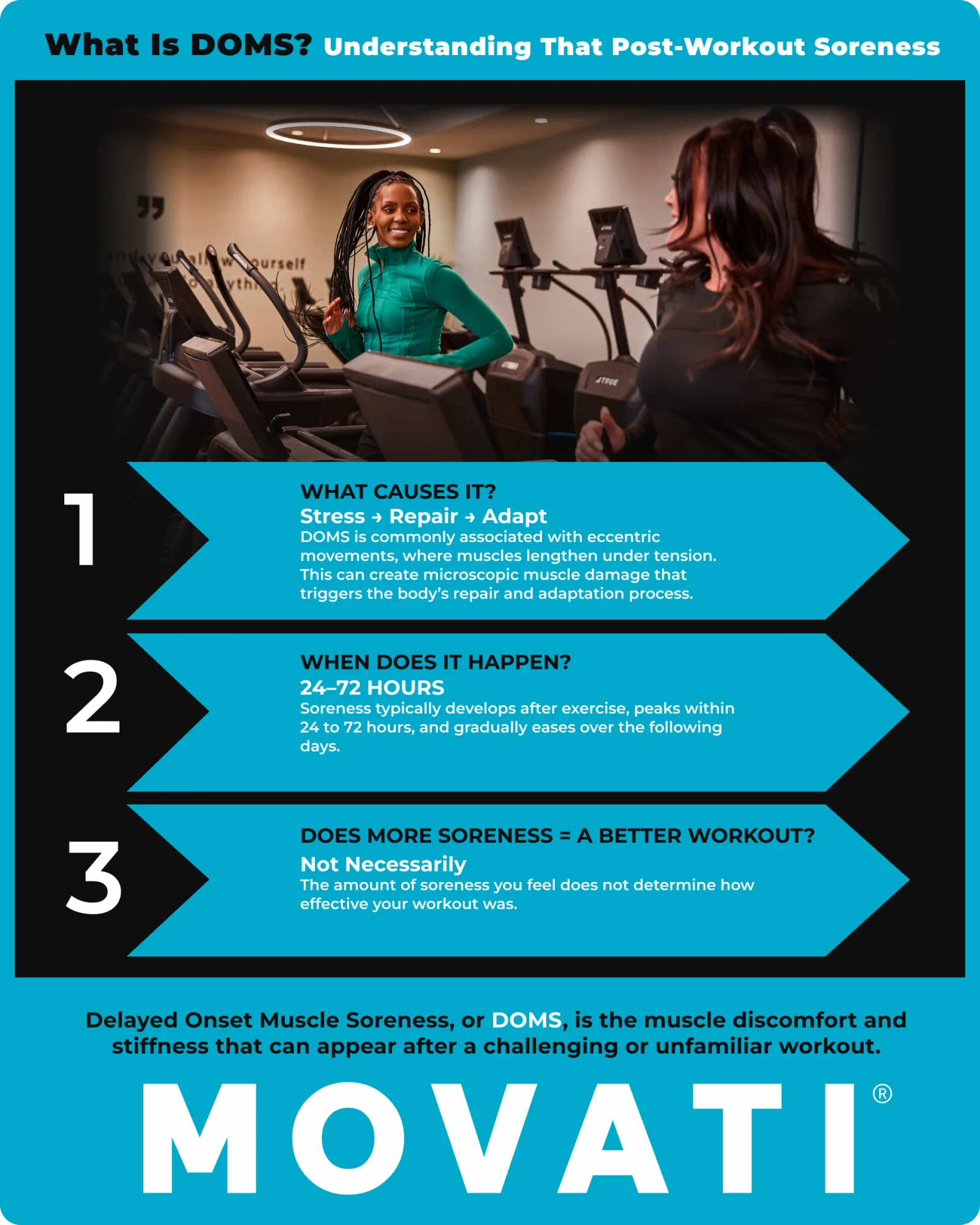
Delayed Onset Muscle Soreness is the discomfort and stiffness in muscles that typically occurs a day or two after engaging in strenuous physical activity. This soreness is the result of microscopic damage to muscle fibers, which occurs when muscles are worked harder than usual or in new ways. Although DOMS can be uncomfortable, it is a normal response to increased exertion and is part of the body’s natural adaptation process to strengthen muscles.
Why Does DOMS Occur?
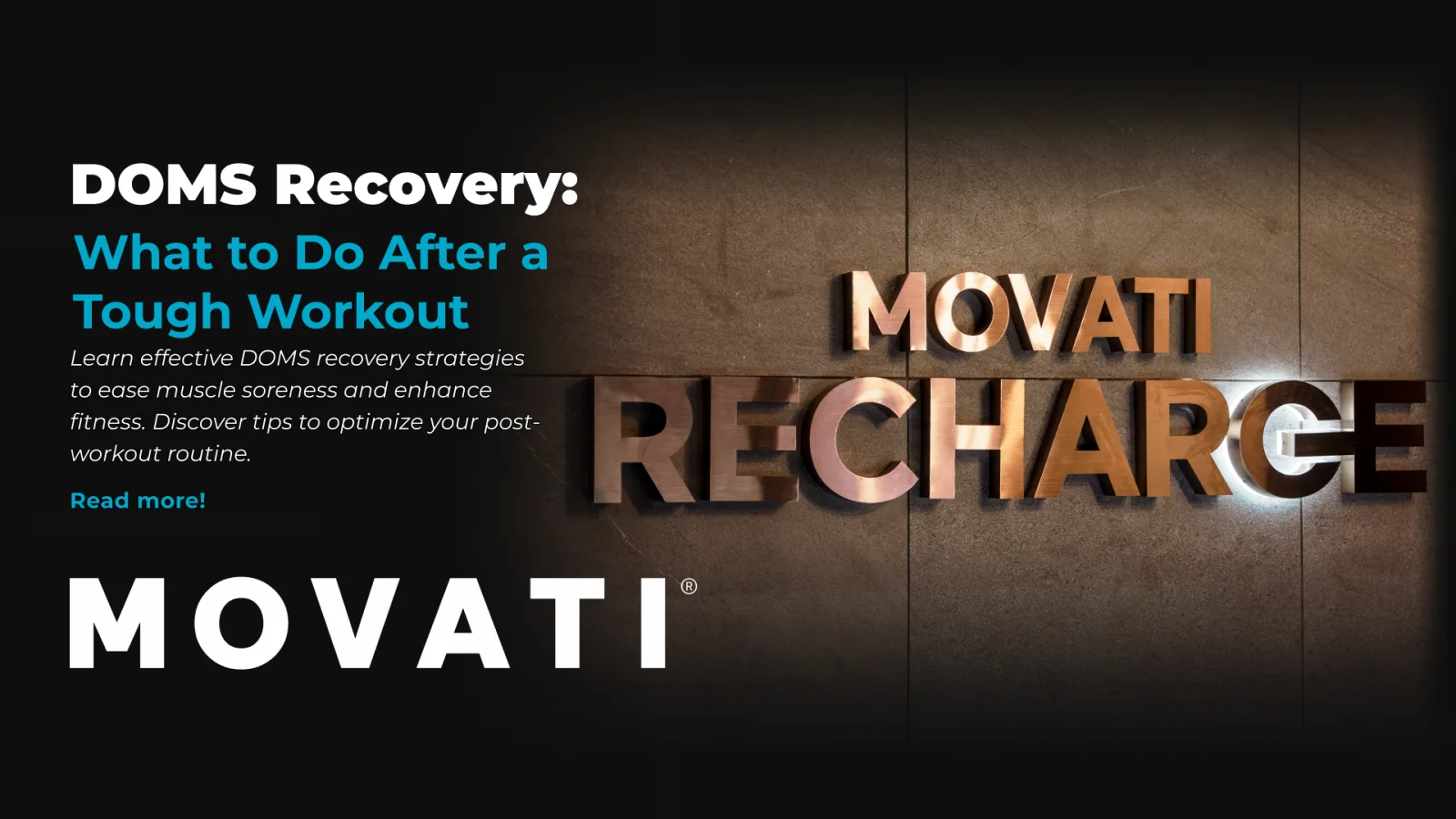
DOMS is primarily caused by eccentric muscle contractions, which occur when a muscle lengthens under tension, such as during the downward phase of a bicep curl or running downhill. These contractions create tiny tears in the muscle fibers, leading to inflammation and soreness. The body responds by repairing these fibers, making the muscles stronger and more resistant to future stress. This cycle of stress, damage, and repair is essential for muscle growth and improved performance.
How Long Does DOMS Last?
The duration of DOMS can vary depending on several factors, including the intensity of the workout, your level of fitness, and how accustomed you are to the specific activity. Typically, soreness peaks around 24 to 72 hours after exercise and gradually subsides over the following days. However, it’s important to note that the severity of soreness doesn’t necessarily correlate with the effectiveness of the workout. Some people may experience mild soreness, while others may find it more debilitating.
Effective Strategies for DOMS Recovery
1. Rest and Active Recovery
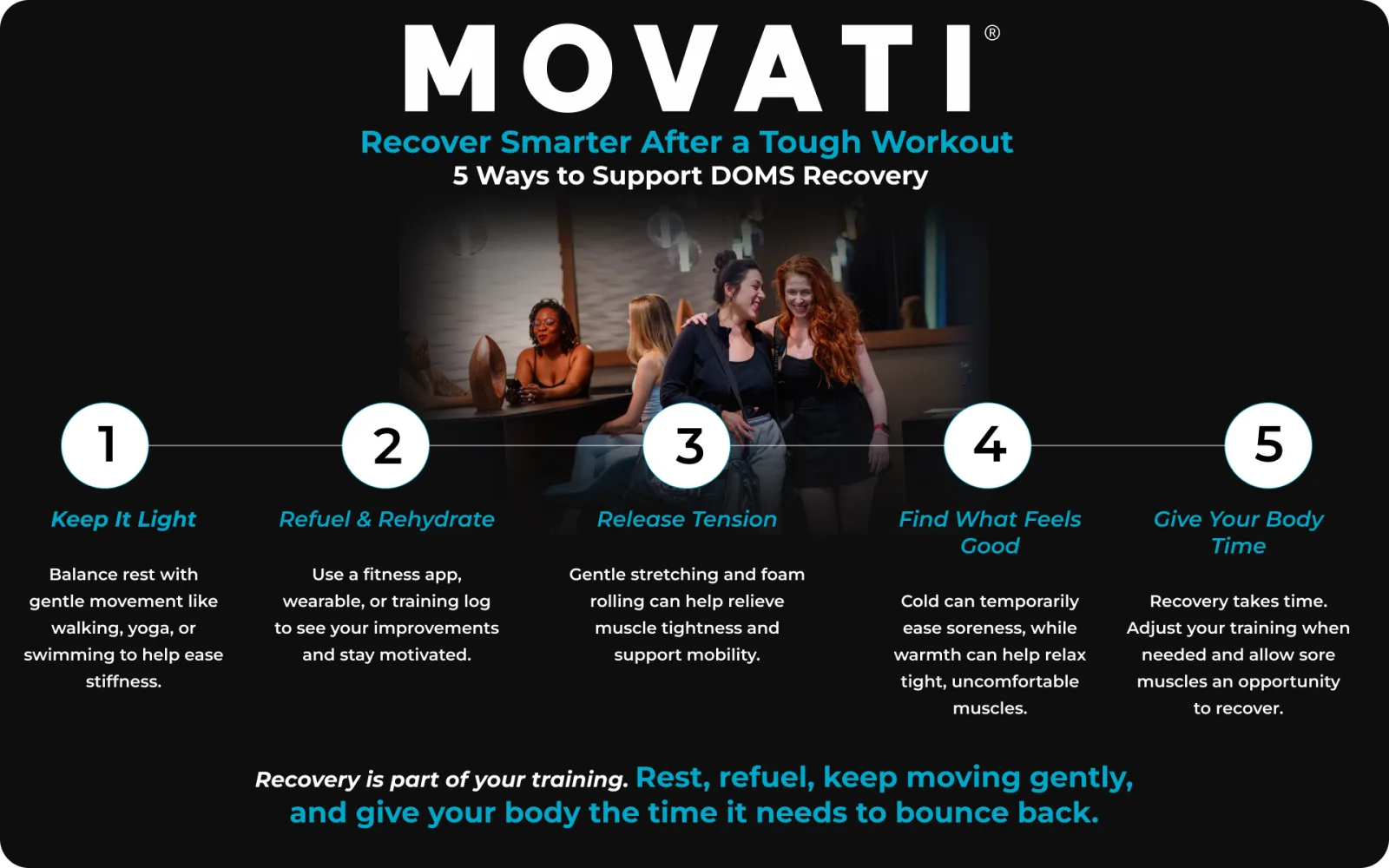
One of the most effective ways to support DOMS recovery is through a balanced approach of rest and active recovery. While it’s important to allow your muscles time to heal, light activities such as walking, yoga, or swimming can promote blood circulation and help alleviate stiffness without putting additional strain on sore muscles.
2. Hydration and Nutrition
Proper hydration and nutrition play crucial roles in muscle recovery. Drinking plenty of water helps flush out toxins and supports cellular function. Additionally, consuming a balanced diet rich in protein, healthy fats, and carbohydrates provides the necessary nutrients for muscle repair. Foods high in antioxidants, such as berries and leafy greens, can also help reduce inflammation.
3. Stretching and Foam Rolling
Gently stretching the affected muscles can improve flexibility and alleviate tension. Incorporating foam rolling into your post-workout routine can also be beneficial. Foam rolling helps release muscle tightness and improve blood flow, which can accelerate the recovery process.
4. Cold and Heat Therapy
Alternating between cold and heat therapy can be an effective method for managing DOMS. Cold therapy, such as ice packs or cold baths, can reduce inflammation and numb soreness. Heat therapy, like warm baths or heating pads, promotes blood flow and relaxes tight muscles. Experimenting with both methods can help determine which works best for your body.
5. Over-the-Counter Pain Relief
If the soreness is particularly uncomfortable, over-the-counter pain relievers such as ibuprofen or acetaminophen can provide temporary relief. However, these should be used sparingly and not relied upon as a long-term solution. Always consult with a healthcare professional before taking any medication.
Listening to Your Body
While it’s important to push your limits and challenge yourself physically, listening to your body is equally crucial. If you find that DOMS is consistently interfering with your daily activities or workouts, it may be a sign that you need to adjust your exercise regimen. Gradually increasing the intensity and duration of your workouts can help your body adapt without overwhelming your muscles.
Conclusion
Understanding and managing DOMS recovery is essential for anyone committed to a fitness routine. By implementing strategies such as active recovery, proper hydration, and effective stretching techniques, you can alleviate discomfort and enhance your overall performance. Remember, while DOMS is a natural part of the muscle-building process, it’s crucial to listen to your body and make adjustments as needed to support long-term health and fitness goals.
*MOVATI’s trainers and/or consultants are not health care providers, and do not provide any medical diagnosis, treatment or advice, and any trainer and/or consultant tips are not intended to replace the advice of a health care professional.
