
How Long Should a Workout Be for Your Fitness Goals?
Determining the ideal length of a workout can be pivotal in achieving your fitness goals. Whether you’re aiming for strength, cardio endurance, general fitness, or just starting out, understanding the optimal duration for each type of exercise is crucial. This guide will help you tailor your workout length to align with your specific objectives, ensuring that every minute spent sweating is effective and purposeful.
Strength Training: Maximizing Muscle Gains
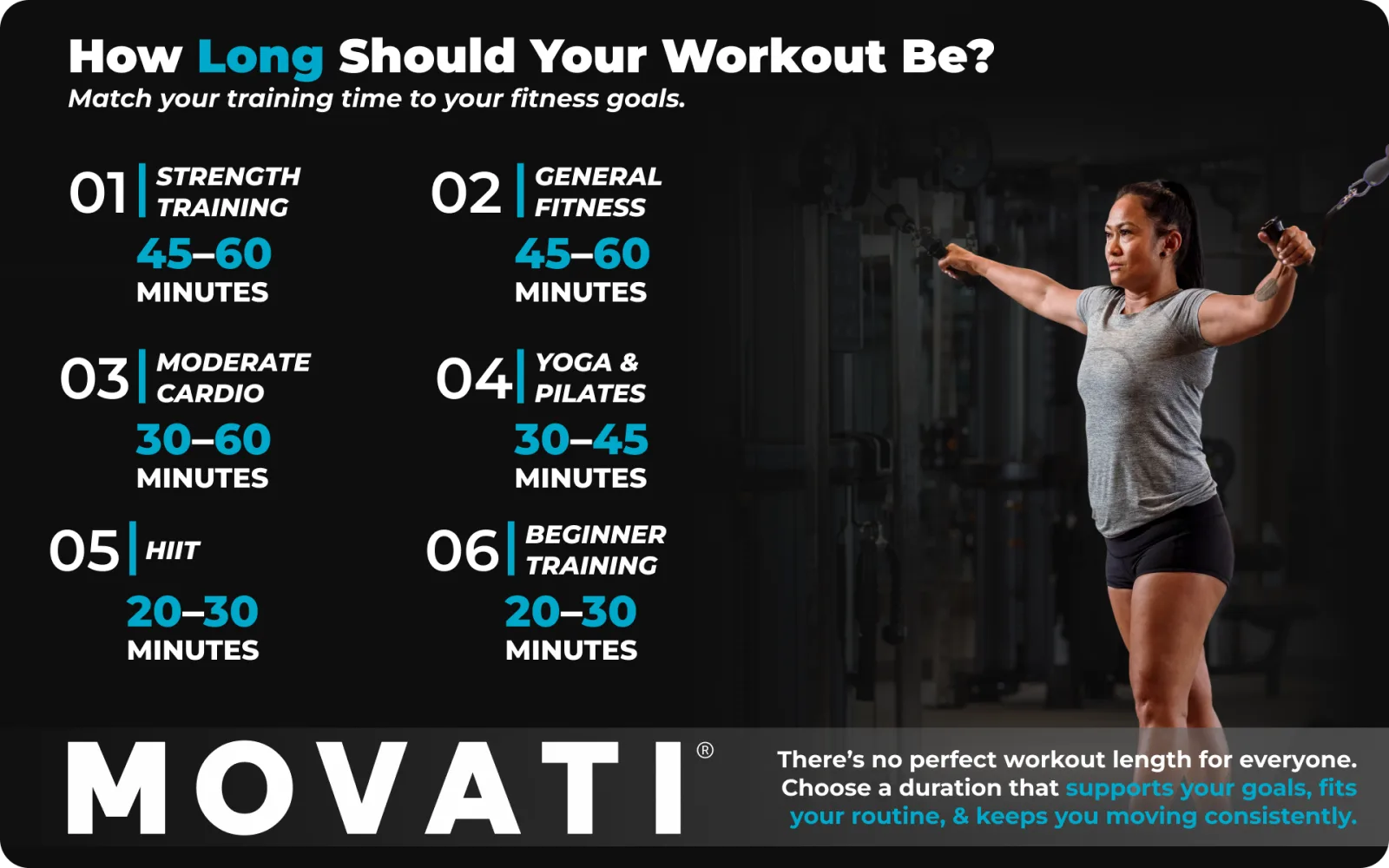
For those focused on building muscle and increasing strength, the duration of a workout can vary significantly based on the intensity and rest periods involved. Typically, strength training sessions last between 45 to 60 minutes. This time frame allows for a comprehensive workout that includes a warm-up, multiple sets of exercises targeting different muscle groups, and adequate rest between sets to maximize performance and recovery.
During strength training, it’s essential to maintain a balance between volume and intensity. Shorter, high-intensity workouts can be effective, but longer sessions might be necessary to thoroughly engage larger muscle groups. Ultimately, the key is to listen to your body and ensure you’re not compromising form or risking injury for the sake of extending your workout time.
Cardio Workouts: Building Endurance and Heart Health
Cardiovascular exercises are integral for improving heart health and endurance. The ideal length for cardio sessions can vary based on intensity and individual fitness levels. For moderate-intensity workouts such as brisk walking or cycling, aim for 150 minutes per week, spread across sessions lasting 30 to 60 minutes each. This duration is sufficient to enhance cardiovascular health and burn calories effectively.
For those engaging in high-intensity interval training (HIIT), shorter durations of 20 to 30 minutes are often adequate. HIIT sessions are designed to push your heart rate to its maximum, offering substantial benefits in shorter time frames. However, it’s important to include proper warm-up and cool-down periods to prevent injury and facilitate recovery.
General Fitness: Balancing Various Exercise Types
If your goal is general fitness, incorporating a variety of exercises into your routine can be beneficial. A balanced workout plan could include strength training, cardio, and flexibility exercises, each varying in duration. A typical general fitness workout might last between 45 to 60 minutes, allowing time for a mix of activities that contribute to overall health.
Flexibility exercises, such as yoga or Pilates, can be included in your routine and typically last 30 to 45 minutes. These sessions can improve mobility, reduce stress, and enhance recovery. Incorporating different types of workouts ensures that you are not only improving physical strength and endurance but also maintaining a holistic approach to fitness.
Beginner Training: Starting Smart and Safe
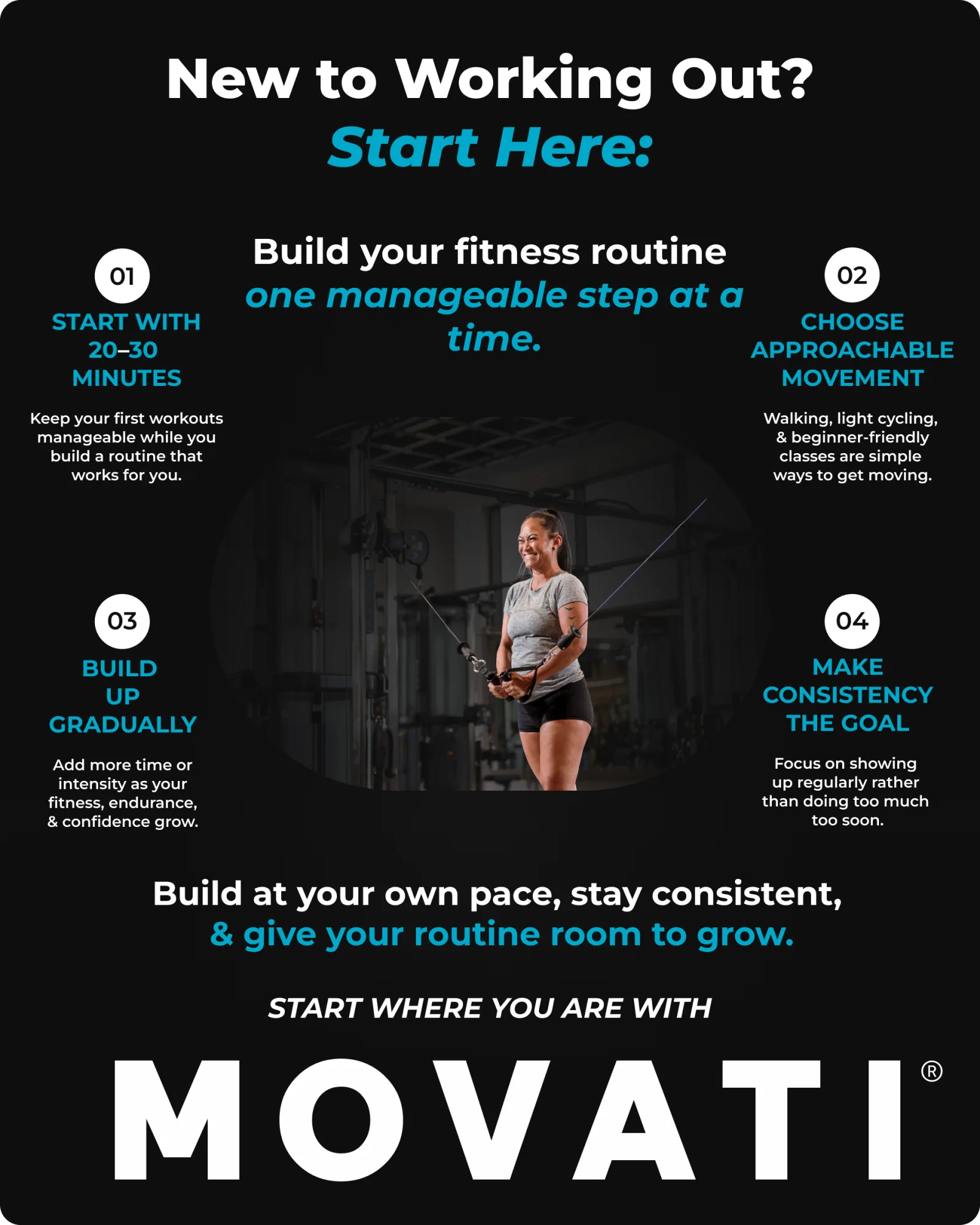
For those new to exercise, determining how long a workout should be is crucial to avoid burnout and injury. Beginners are advised to start with shorter sessions ranging from 20 to 30 minutes. This duration allows the body to adapt gradually to new physical demands and helps in building a sustainable fitness habit.
As a beginner, focus on low-impact activities such as walking, light cycling, or beginner-level aerobic classes. Gradually increase the intensity and duration as your fitness level improves. The key is consistency; even shorter, regular workouts can lead to significant health benefits over time.
Conclusion: Tailoring Workout Length to Your Needs
Ultimately, the length of your workout should reflect your fitness goals, lifestyle, and personal preferences. Whether you’re building strength, improving cardiovascular health, maintaining general fitness, or just starting out, the most effective workout is one that fits into your life seamlessly and encourages you to keep moving. Regularly reassess your goals and adjust the duration of your workouts accordingly to continue progressing and achieving optimal results.
*MOVATI’s trainers and/or consultants are not health care providers, and do not provide any medical diagnosis, treatment or advice, and any trainer and/or consultant tips are not intended to replace the advice of a health care professional.
