
The fitness industry has undergone a remarkable transformation over the past decade, and in 2026, technology in workouts has become an essential part of how people exercise, track progress, and achieve their health goals. From wearable fitness devices and artificial intelligence-powered coaching to virtual reality training and connected gym equipment, technology is reshaping every aspect of the fitness experience.
Modern fitness enthusiasts no longer rely solely on traditional workout methods. Instead, they have access to personalized data, real-time feedback, immersive training environments, and smart equipment that adapts to their individual needs. These innovations are helping people exercise more efficiently, stay motivated, and maintain long-term fitness habits.
As technology continues to evolve, it is creating opportunities for individuals of all fitness levels to enjoy more accessible, engaging, and effective workouts. This article explores the latest developments in technology in workouts and examines how these advancements are shaping the future of exercise.
The Rise of Wearable Technology in Fitness
One of the most significant developments in modern fitness is the widespread adoption of wearable technology. Smartwatches, fitness trackers, heart rate monitors, and smart rings have become valuable tools for monitoring physical activity and overall health.
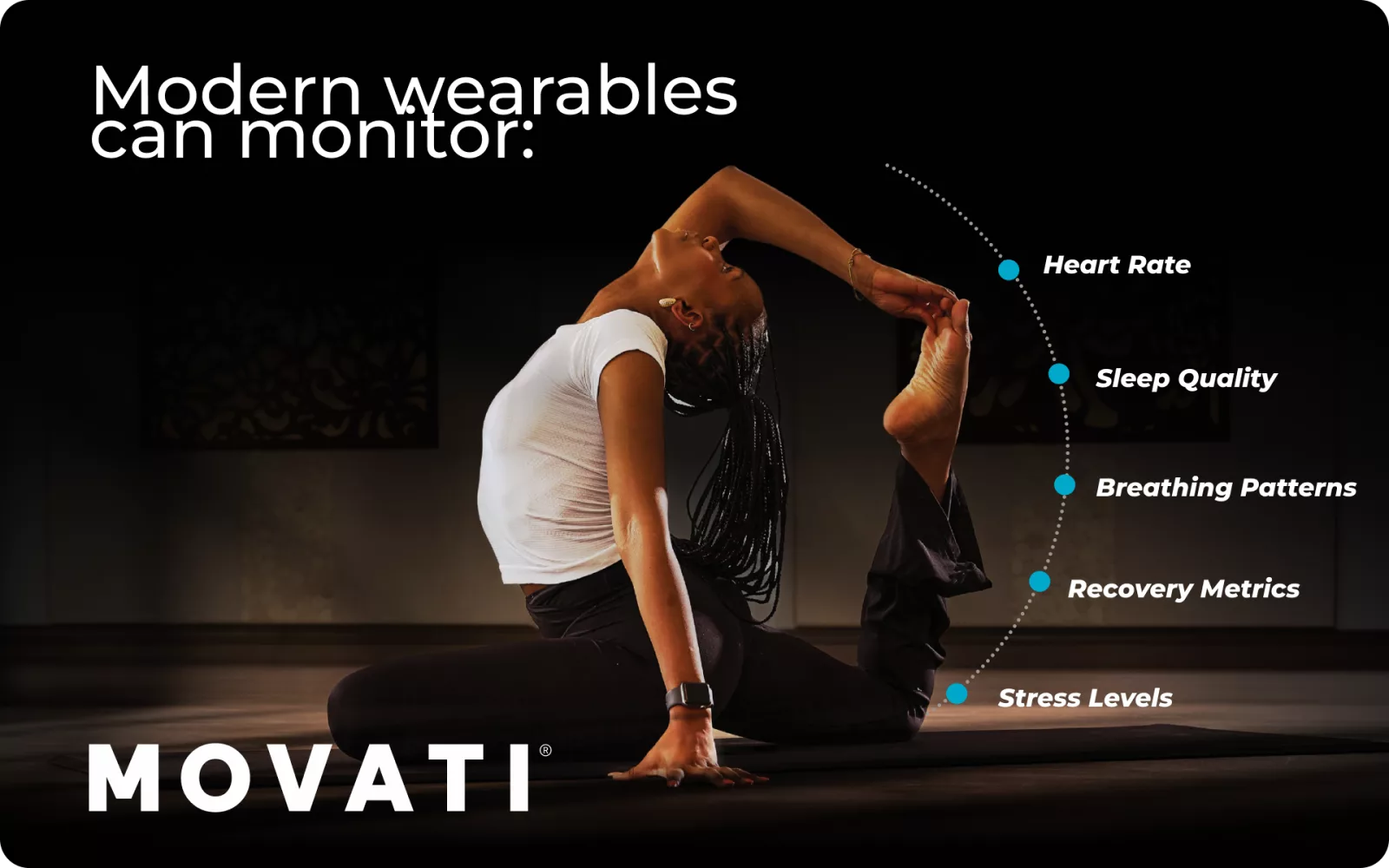
These devices provide users with real-time insights into metrics such as:
Heart rate
Calories burned
Daily step count
Sleep quality
Blood oxygen levels
Recovery rates
Stress levels
Workout intensity
The ability to track detailed performance data enables users to make informed decisions about their training routines. Instead of relying on guesswork, individuals can adjust workouts based on measurable results and personalized recommendations.
For athletes, wearable technology provides advanced analytics that can optimize performance and reduce the risk of injury. For beginners, these devices offer motivation by making progress visible and easy to understand.
As sensors become more sophisticated, wearable fitness technology is expected to play an even larger role in preventive healthcare and personalized fitness coaching.
Mobile Fitness Apps Continue to Drive Motivation
Fitness apps remain one of the most accessible forms of technology in workouts. Whether users are beginners or experienced athletes, mobile applications provide tools that support consistency and accountability.
Common features found in fitness apps include:
Goal setting
Progress tracking
Workout libraries
Nutrition monitoring
Habit-building tools
Social sharing
Community challenges
Gamification elements such as badges, streaks, rankings, and achievement rewards help maintain motivation over time.
Many apps also integrate seamlessly with wearable devices, creating a centralized platform for tracking overall health and fitness performance.
The combination of convenience, accessibility, and motivation has made fitness apps a crucial part of modern exercise routines.
1. WHOOP: A Leader in Recovery Analytics
One platform that has gained significant popularity among athletes and fitness enthusiasts is WHOOP. While it is a wearable device, its companion app is what makes the experience especially valuable. WHOOP provides detailed insights into recovery, sleep quality, heart rate variability, daily strain, and overall readiness to train.
What stands out about WHOOP is its ability to recommend whether a user should push harder during a workout or focus on recovery. This personalized feedback helps users maximize performance while avoiding unnecessary fatigue. Many professional athletes rely on WHOOP because it helps transform recovery from an afterthought into a measurable part of the training process.
2. Garmin Connect: Comprehensive Performance Tracking
Garmin Connect is another powerful platform that offers extensive fitness analytics for users with Garmin devices. The app tracks metrics such as training load, recovery time, VO2 max estimates, heart rate trends, and long-term performance improvements.
What I appreciate about Garmin Connect is how it combines short-term workout feedback with long-term progress tracking. The app helps users understand whether their training is productive, maintaining fitness levels, or potentially leading to overtraining. These insights make it easier to create a balanced and sustainable fitness routine.
3. Oura: Optimizing Recovery Through Sleep
The Oura app has become increasingly popular for its focus on sleep and recovery. Paired with the Oura Ring, the platform provides detailed readiness, sleep, and activity scores that help users understand how well their bodies are recovering each day.
I find Oura particularly useful because it highlights the connection between sleep quality and athletic performance. The app encourages users to pay attention to habits that support recovery, including sleep duration, sleep consistency, and overall wellness. By understanding these patterns, users can make better decisions about workout intensity and recovery days.
Data Analytics Is Improving Performance and Recovery
One of the most exciting developments in fitness technology is the ability to collect and analyze personal performance data. Rather than relying on guesswork, individuals can now use real-time insights to better understand how their bodies respond to training, recovery, and daily habits. I have found that tracking key health metrics provides a clearer picture of my progress and helps me make smarter decisions about my workouts.
Training Smarter Through Data
Modern fitness platforms can monitor a wide range of performance indicators, including training volume, exercise intensity, sleep quality, recovery status, heart rate variability, and long-term fitness trends. This information helps identify strengths and areas for improvement while providing a more complete understanding of overall health and fitness.
What I find most valuable is that data allows me to adjust my training based on how my body is actually performing. Instead of pushing through every workout at maximum intensity, I can make informed decisions about when to challenge myself and when to prioritize recovery.
The Growing Importance of Recovery
Recovery has become just as important as exercise itself. Research continues to show that inadequate recovery can limit performance gains, increase fatigue, and raise the risk of injury. Fitness technology now makes it easier to recognize when the body needs rest before problems develop.
By monitoring recovery metrics such as sleep quality, resting heart rate, and heart rate variability, users can better balance training and recovery. This approach supports consistent progress while reducing the likelihood of overtraining.
The Future of Data-Driven Fitness
As fitness technology continues to evolve, data analytics is becoming an essential part of personal health and performance management. Tools like WHOOP, Garmin Connect, and Oura are helping people move beyond simply exercising harder and instead focus on exercising more effectively.
For me, the greatest benefit of these technologies is the ability to make informed decisions. By combining performance tracking with recovery analysis, fitness has become more personalized, sustainable, and effective. The growing emphasis on data-driven fitness is empowering individuals to train smarter, recover better, and achieve long-term success.
Community Fitness at Movati
As fitness becomes increasingly important for both physical and mental well-being, finding a supportive environment can make all the difference. For me, Movati is more than a gym. It is a place where I can stay active, improve my health, and connect with others.
A Variety of Group Fitness Classes
One of the things I love most about Movati is the wide selection of group fitness classes. My favorites are Pilates and Rhythm & Beats Spin. These classes not only help me stay motivated but have also allowed me to build friendships with people who share similar fitness goals.
1. Pilates for Strength and Balance
Pilates has become an important part of my routine. The class focuses on core strength, flexibility, balance, and proper spinal alignment. I have noticed improvements in my posture and overall stability, and the exercises can be adapted for all fitness levels.
2. Rhythm & Beats Spin
Rhythm & Beats Spin offers a fun, high-energy workout set to music in a club-like atmosphere. The combination of cycling, upper-body movements, and upbeat music makes every class enjoyable. The energy from both the instructors and participants creates a motivating environment that keeps me coming back.
More Than a Gym
What makes Movati special is the sense of community. While the classes help me stay fit, the friendships and connections I have made make the experience even more meaningful. It is a place that supports both personal wellness and social connection.
Data Privacy and Security Considerations
While the benefits of technology in workouts are substantial, concerns surrounding privacy and data security continue to grow.
Fitness devices and applications collect significant amounts of personal information, including:
Health metrics
Location data
Exercise habits
Biometric information
Sleep patterns
Users should carefully review privacy policies and understand how their information is stored and shared.
Fitness companies must continue investing in robust security measures to protect sensitive user data from cyber threats and unauthorized access.
Maintaining trust will be essential as fitness technology becomes increasingly integrated into everyday life.
The Future of Technology in Workouts
The future of technology in workouts looks exceptionally promising. Emerging innovations such as augmented reality, advanced biometrics, AI-driven health assessments, and personalized digital coaching are expected to further enhance the fitness experience.
Future developments may include:
Fully adaptive workout programs
Real-time injury prevention systems
Advanced biometric monitoring
Enhanced virtual training environments
Deeper integration between healthcare and fitness platforms
As technology continues to evolve, fitness experiences will become increasingly personalized, efficient, and accessible.
Conclusion
Technology in workouts has fundamentally changed the way people approach fitness. Wearable devices, artificial intelligence, virtual reality, smart home gyms, connected equipment, and fitness apps are creating more engaging and effective exercise experiences than ever before.
These innovations empower users with personalized insights, real-time feedback, and greater flexibility, making it easier to stay active and achieve long-term health goals. While data privacy remains an important consideration, the benefits of technology-driven fitness continue to outweigh the challenges.
As we move further into 2026 and beyond, technology in workouts will remain a driving force behind the evolution of fitness, helping individuals train smarter, stay motivated, and unlock their full potential.
