Recovering after exercise is just as important as the workout itself. While strength training, cardio, and group fitness classes help improve your physical fitness, your body needs time and the right environment to repair, rebuild, and recharge. That’s where recovery methods like sauna and steam rooms, and pool recovery can make a meaningful difference.
These recovery techniques have been used for generations to help reduce muscle soreness, improve circulation, promote relaxation, and support overall well-being. Whether you’re a seasoned athlete or simply trying to stay active, incorporating recovery into your routine can help you feel better, perform better, and stay consistent with your fitness goals.
Is a Sauna Good After a Workout?
Yes. A sauna can be an excellent addition to your post-workout routine when used appropriately.
The dry heat of a sauna raises your body temperature, causing your blood vessels to expand and increasing circulation throughout the body. Improved blood flow delivers oxygen and nutrients to recovering muscles, which may help reduce feelings of stiffness and support the body’s natural recovery process.
Many people also find that spending time in a sauna helps them relax after an intense workout, making it easier to transition from exercise into recovery.
What Are the Benefits of a Steam Room After Exercise?
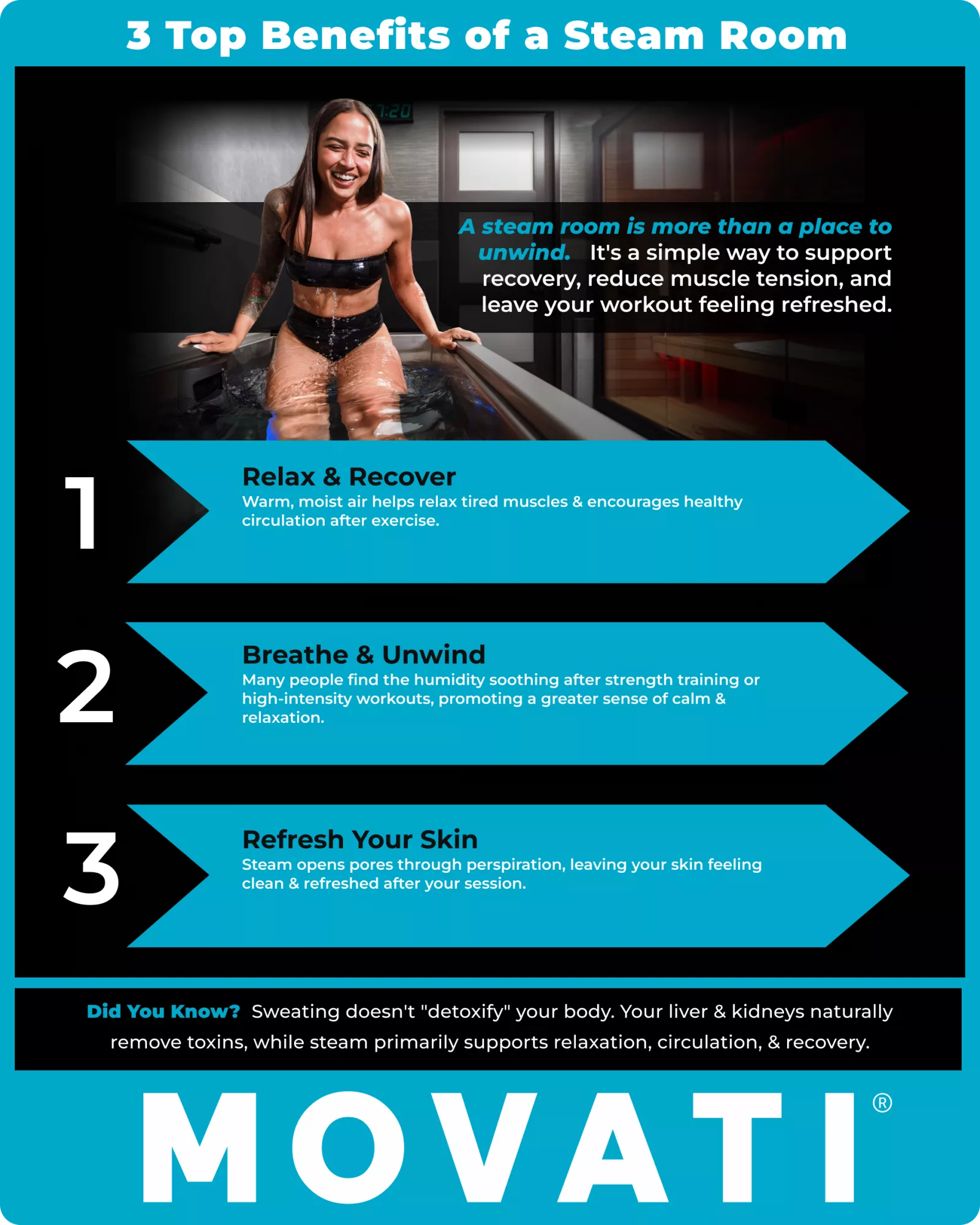
Steam rooms provide many of the same recovery benefits as saunas, but in a humid environment.
The warm, moist air encourages muscles to relax while helping improve circulation throughout the body. Many people find steam particularly soothing after strength training or high-intensity workouts because the humidity can feel gentler on the respiratory system while promoting a deep sense of relaxation.
Some people also enjoy the skin benefits associated with steam. As pores open through perspiration, the skin receives a deep cleanse that can leave it feeling refreshed.
While sweating is a natural response to heat, it’s important to remember that sweating itself does not “detoxify” the body. Your liver and kidneys are responsible for removing toxins, while sauna and steam sessions primarily support relaxation, circulation, and temporary fluid loss that should be replaced through proper hydration.
Can Sauna and Steam Help Reduce Muscle Soreness?
Many people report feeling less stiff after spending time in a sauna or steam room following exercise.
Although heat won’t eliminate delayed onset muscle soreness (DOMS), increasing circulation and relaxing tight muscles may help improve comfort and mobility during recovery.
For best results, sauna and steam sessions should complement other healthy recovery habits, including:
Staying hydrated
Eating enough protein and carbohydrates
Getting quality sleep
Allowing adequate rest between workouts
Performing light mobility exercises or stretching
Recovery works best when multiple healthy habits work together.
Does Heat Therapy Improve Mental Well-Being?
Recovery isn’t only about your muscles.
Exercise places demands on both the body and the mind, and taking time to unwind afterward can be just as valuable as the workout itself.
The warm, quiet environment of a sauna or steam room encourages your body to relax. Many people experience reduced stress, improved mood, and a greater sense of calm after spending time in these spaces. This mental recovery can help you return to future workouts feeling refreshed instead of fatigued.
Is Pool Recovery Good After Exercise?
Absolutely.
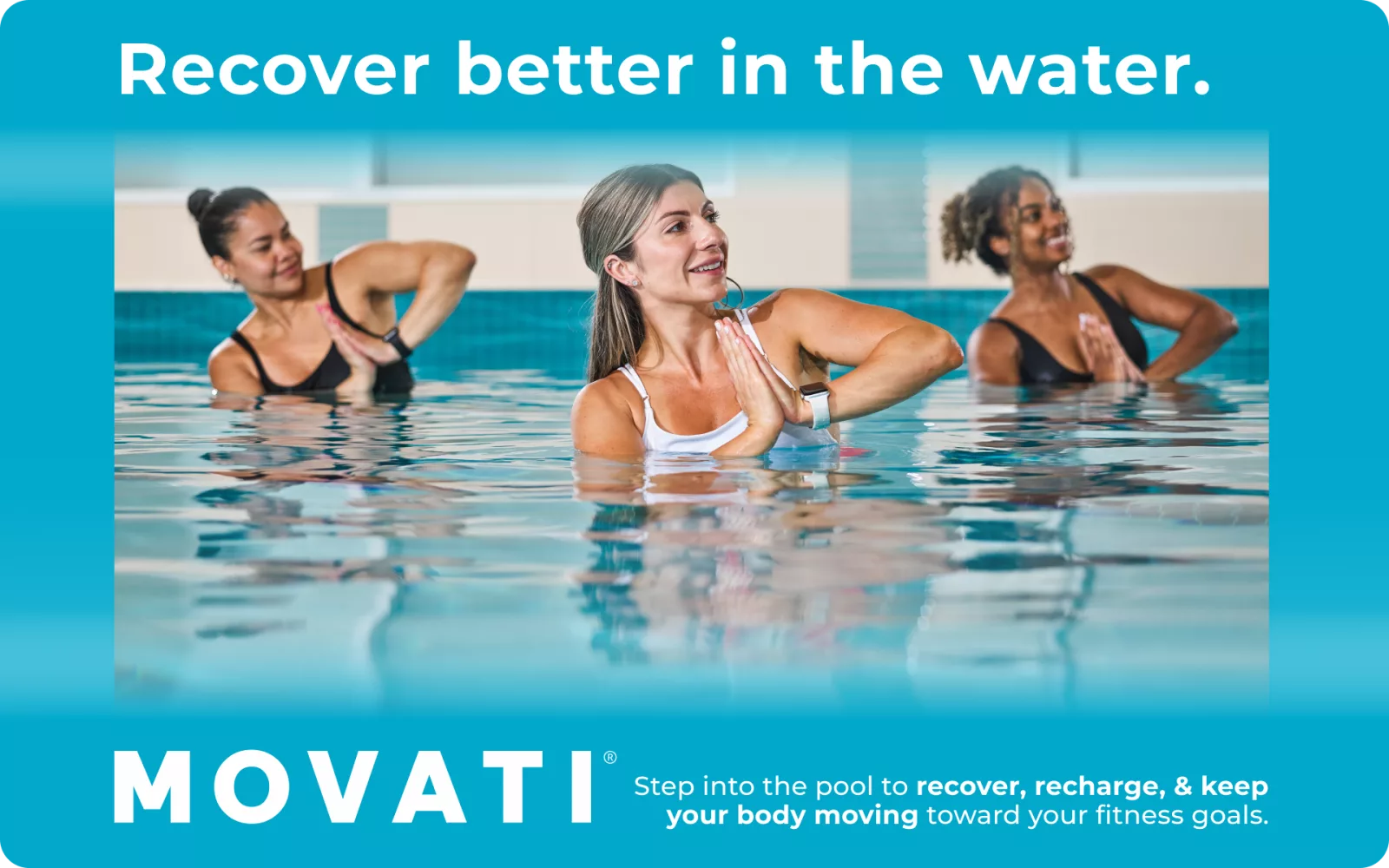
Pool recovery is one of the most effective low-impact ways to stay active while allowing your body to recover from more demanding exercise.
Because water supports much of your body weight, movements performed in a pool place less stress on your joints, muscles, and connective tissues than similar movements performed on land.
This makes pool recovery an excellent option for:
Active recovery days
Older adults
Individuals managing joint discomfort
People returning to exercise after injury
Athletes recovering from high-intensity training
Even a gentle walk through the pool or light swimming can encourage circulation without placing additional strain on tired muscles.
What Are the Benefits of Water-Based Recovery?
Water offers several unique properties that support recovery.
Its natural buoyancy reduces pressure on the joints while allowing muscles to move through a greater range of motion. At the same time, water provides gentle resistance that helps strengthen muscles without requiring heavy loads.
Pool-based recovery may help:
Improve flexibility
Increase mobility
Reduce muscle tension
Support joint health
Encourage gentle movement on recovery days
Many people find they can move more comfortably in the water than they can on land, especially after challenging workouts.
Should You Combine Sauna, Steam, and Pool Recovery?
Using these recovery methods together can create a well-rounded approach to post-workout recovery.
For example, you might begin with light movement or gentle walking in the pool to encourage circulation without adding stress to your muscles. Afterward, spending time in a sauna or steam room can help you relax both physically and mentally before finishing with hydration and proper nutrition.
The ideal routine depends on your individual preferences, health status, and workout intensity, but combining active recovery with heat therapy can help many people feel refreshed and ready for their next workout.
How Long Should You Stay in a Sauna or Steam Room?
Most healthy adults benefit from relatively short sessions.
A general guideline is to spend approximately 10 to 20 minutes in a sauna or steam room, depending on your comfort level and tolerance to heat. It’s important to stay hydrated before and after your session and leave the heat immediately if you begin feeling dizzy, lightheaded, or unwell.
If you have a heart condition, low blood pressure, are pregnant, or have other medical concerns, consult your healthcare provider before using heat therapy.
My Experience Adding Recovery to My Routine
One thing I’ve noticed in my own fitness routine is how much better I feel when I dedicate time to recovery instead of heading home immediately after a workout. On days when I spend a few minutes stretching followed by time in a sauna, I often leave feeling noticeably more relaxed than if I skip recovery altogether. While it doesn’t eliminate every bit of muscle soreness, I personally find that I feel less stiff the following day and mentally more prepared for my next workout. That experience has reinforced that recovery isn’t time away from fitness—it’s an important part of making consistent progress.
Support Your Recovery for Better Long-Term Results
Exercise challenges your body, but recovery is where many of the physical adaptations actually occur. Incorporating sauna sessions, steam rooms, and pool recovery into your fitness routine can help promote relaxation, support circulation, reduce muscle tightness, and encourage healthier movement.
By pairing these recovery methods with proper nutrition, hydration, quality sleep, and regular exercise, you’ll create a more balanced approach to fitness that supports both your body and your long-term wellness goals.
*MOVATI’s trainers and/or consultants are not health care providers, and do not provide any medical diagnosis, treatment or advice, and any trainer and/or consultant tips are not intended to replace the advice of a health care professional.
