
Maintaining a heart-healthy diet is an important part of reducing the risk of cardiovascular disease and supporting overall health and well-being. The foods we eat can influence several factors associated with heart health, including blood pressure, cholesterol levels, blood sugar, and body weight. A balanced diet that provides essential nutrients can help support healthy heart function while also providing the energy the body needs for everyday activities.

Heart-healthy meal plans generally emphasize nutrient-rich foods such as fruits, vegetables, whole grains, lean proteins, and healthy fats. At the same time, they aim to limit foods that are high in sodium, added sugars, saturated fats, and highly processed ingredients.
Developing an understanding of these basic principles can make it easier to plan balanced meals and make informed choices when shopping, cooking, or eating away from home. Over time, incorporating heart-friendly foods into everyday eating habits can contribute to better cardiovascular health and a healthier lifestyle overall.
The Importance of Balanced Nutrition
The foundation of heart healthy meals lies in balanced nutrition. This means consuming a variety of foods that provide essential nutrients without excessive calories, unhealthy fats, or sodium. A balanced diet helps maintain a healthy weight, manage cholesterol levels, and reduce blood pressure, all of which are vital for heart health.
Heart-Healthy Meal Plans Can Help Prevent Disease
A heart-healthy meal plan is one of the most effective ways to reduce your risk of cardiovascular disease. By emphasizing nutrient-rich whole foods, healthy fats, lean proteins, and plenty of fruits and vegetables, you can support long-term heart health and overall well-being.
Key findings:
- Up to 80% of premature heart disease and stroke can be prevented through healthy lifestyle habits, including eating a nutritious diet and staying physically active.
- A heart-healthy eating pattern can help:
- Lower blood pressure.
- Improve cholesterol levels.
- Maintain a healthy body weight.
- Support healthy blood sugar levels.
- Building balanced meals with vegetables, fruits, whole grains, lean proteins, and healthy fats is one of the most effective ways to protect both your heart and brain health.
- When combined with regular physical activity, a heart-healthy meal plan can significantly reduce the risk of chronic diseases and improve overall quality of life.
Reference:
Heart & Stroke Foundation of Canada. Healthy Eating. Available at: https://www.heartandstroke.ca/healthy-living/healthy-eating
Key Nutrients for Heart Health
Several nutrients play a pivotal role in supporting heart health. These include fiber, omega-3 fatty acids, antioxidants, and potassium. Fiber helps in lowering cholesterol levels, while omega-3 fatty acids, found in fish and some plant sources, are known to reduce inflammation and the risk of arrhythmias. Antioxidants protect the body from oxidative stress, and potassium helps manage blood pressure.
1. Focus on Fruits and Vegetables
Fruits and vegetables are cornerstones of heart healthy meals. They are rich in vitamins, minerals, and fiber, yet low in calories. The diverse array of nutrients they provide can help reduce the risk of heart disease. Aim to fill half your plate with colorful fruits and vegetables to ensure a wide range of micronutrients.
Choosing the Right Fruits and Vegetables
While all fruits and vegetables are beneficial, some are particularly effective in supporting heart health. Berries, for instance, are high in antioxidants and fiber. Leafy greens such as spinach and kale offer magnesium and potassium, which are crucial for heart function. Citrus fruits provide vitamin C and flavonoids, known for their heart-protective properties.
2. Incorporating Whole Grains
Whole grains are an essential component of heart healthy meals. Unlike refined grains, whole grains retain all parts of the grain kernel, providing more fiber, vitamins, and minerals. Consuming whole grains can help lower cholesterol levels and improve heart health.
Examples of Heart-Healthy Whole Grains
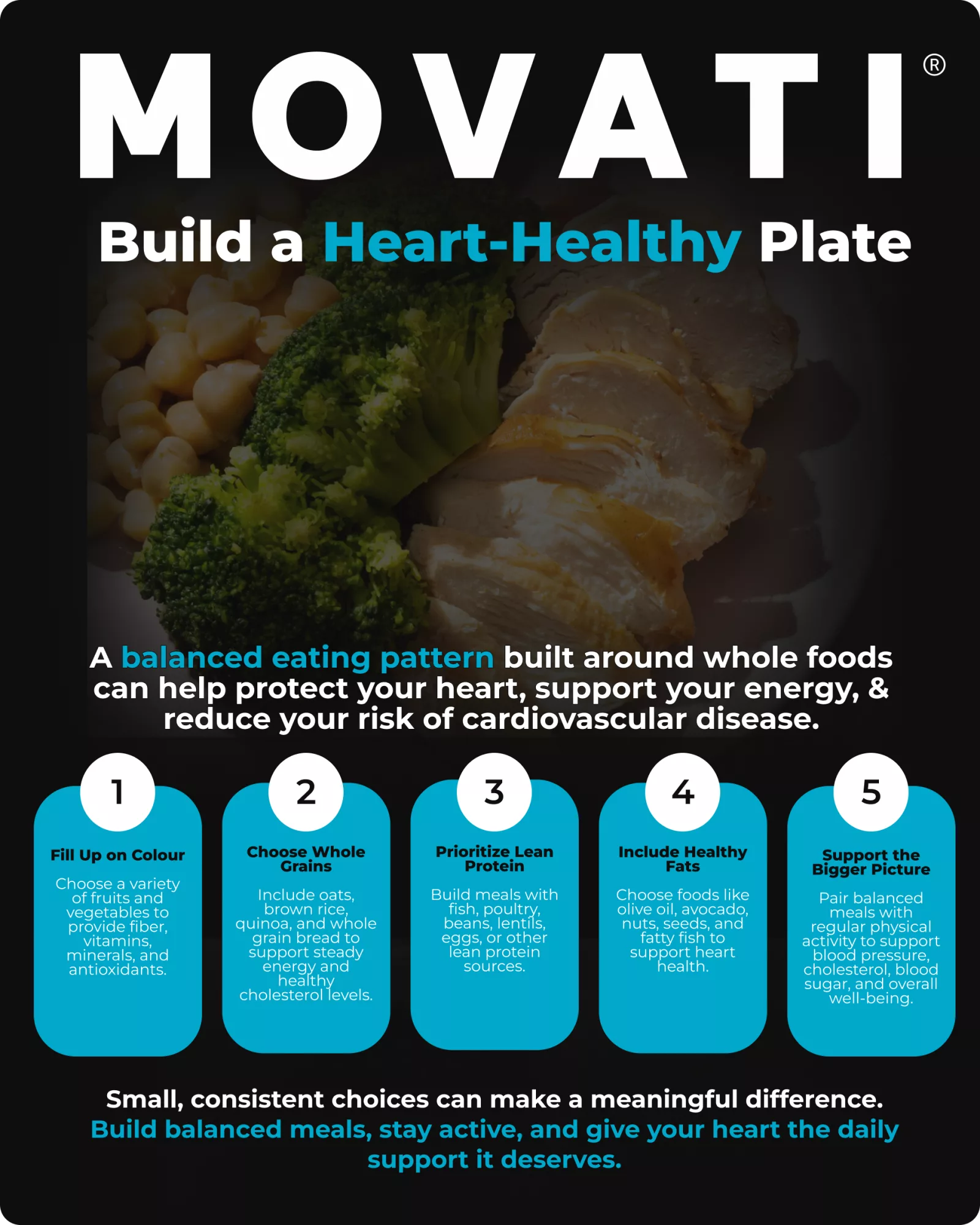
Include a variety of whole grains such as oats, brown rice, quinoa, and whole wheat bread in your diet. These grains are not only nutritious but also versatile, making them easy to incorporate into meals in different ways. For instance, oatmeal for breakfast or quinoa as a side dish can be excellent choices.
3. Lean Proteins and Healthy Fats
Protein is vital for tissue repair and muscle maintenance, and choosing the right sources is important for heart health. Lean proteins and healthy fats should be prioritized over red and processed meats, which can contribute to heart disease.
Optimal Protein Sources
Fish, especially fatty fish like salmon and mackerel, are excellent sources of omega-3 fatty acids. Poultry, beans, and legumes are also good options for lean protein. Incorporating plant-based proteins like tofu and tempeh can further diversify protein intake while supporting heart health.
Healthy Fats for Heart Function
Not all fats are bad for the heart. Monounsaturated and polyunsaturated fats, found in avocados, nuts, seeds, and olive oil, can help reduce bad cholesterol levels and provide essential fatty acids. Using these fats in moderation can support a healthy heart.
4. Limiting Sodium and Added Sugars
Reducing sodium and added sugars is critical in heart healthy meals. Excessive sodium intake can lead to high blood pressure, while high sugar consumption is linked to obesity and increased heart disease risk.
Strategies to Reduce Sodium and Sugar
Opt for fresh or minimally processed foods instead of packaged ones, which often contain high levels of sodium and sugars. Cooking at home allows for better control over salt and sugar content. Additionally, using herbs and spices can enhance flavor without the need for additional salt.
5. Hydration and Heart Health
Staying adequately hydrated is another key aspect of a heart-healthy lifestyle. Water is the best choice for hydration, as it doesn’t contain calories or sugars. Proper hydration helps maintain blood volume and circulation, supporting overall heart function.
Tips for Staying Hydrated
Ensure you drink water regularly throughout the day. Carrying a water bottle can serve as a reminder to hydrate. Additionally, consuming water-rich foods like cucumbers and watermelon can contribute to daily hydration needs.
Creating Sustainable Heart Healthy Meal Plans
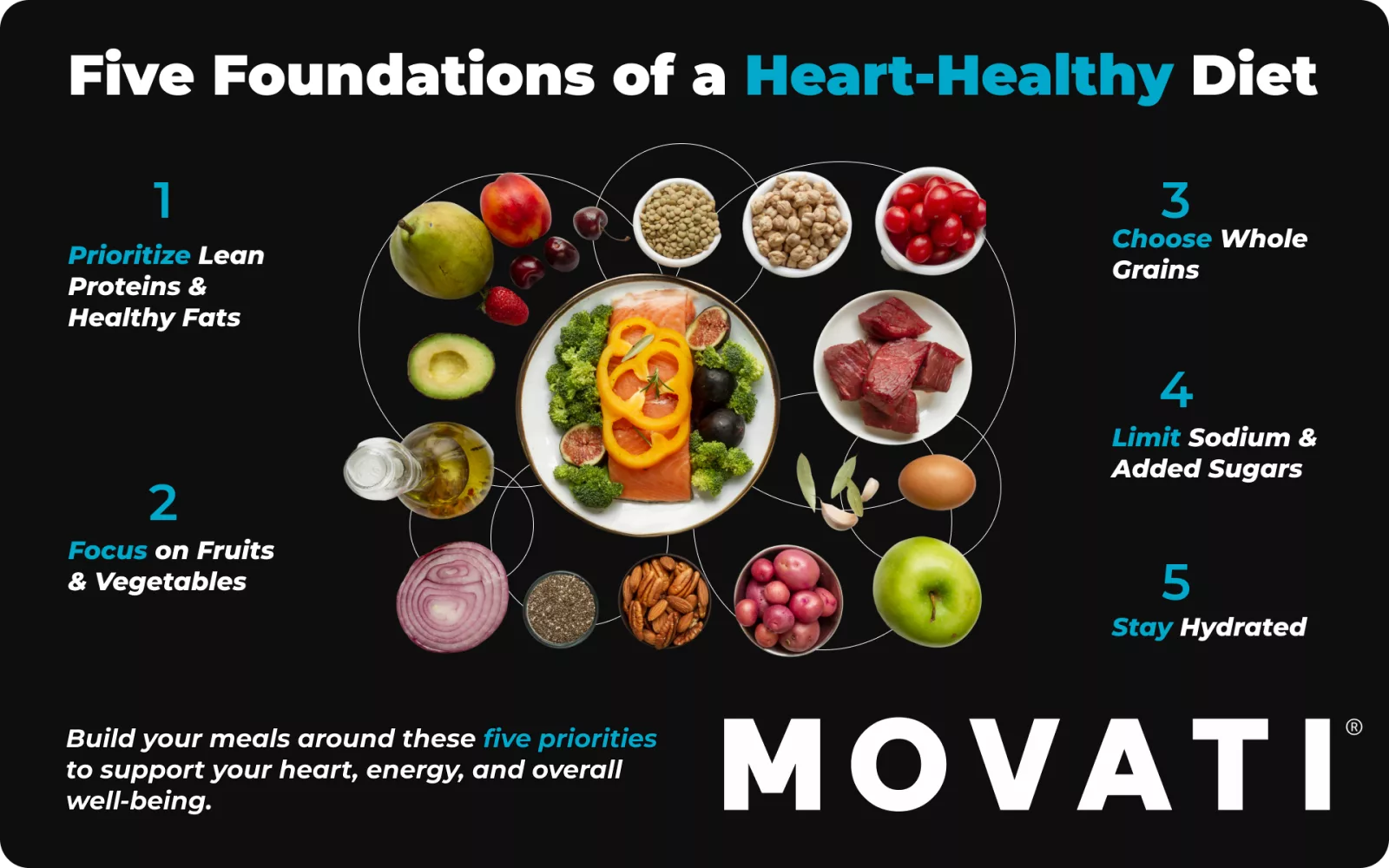
Developing sustainable healthy meal plans involves more than just food choices; it’s about adopting a lifestyle. Planning meals ahead, cooking at home, and being mindful of portion sizes can help maintain these healthy habits long-term. It’s also beneficial to consult with a healthcare professional or a dietitian to tailor plans to individual health needs.
In conclusion, heart healthy meal plans are an effective strategy to support cardiovascular health. By focusing on balanced nutrition, incorporating essential nutrients, and making mindful food choices, individuals can significantly reduce their risk of heart disease and enhance their overall quality of life. Emphasizing fruits, vegetables, whole grains, lean proteins, and healthy fats while minimizing sodium and sugars lays the foundation for a robust and heart-friendly diet.
