Pilates, a fitness regimen developed in the early 20th century, has gained widespread popularity for its ability to enhance strength, flexibility, and posture. Among its various forms, core pilates stands out for its focus on strengthening the body’s central region.
This method is not just about building abdominal muscles; it involves a comprehensive approach to improving overall core stability. This article delves into what makes core workouts unique and explores the myriad benefits it offers.
The Fundamentals of Pilates exercises
Core pilates is a specialized branch of Pilates that concentrates on engaging and strengthening the core muscles, which include the abdominals, lower back, hips, and pelvis. These muscles are crucial for maintaining balance and stability in everyday movements. Unlike other forms of exercise that might isolate certain muscle groups, core pilates works on integrating the core with the rest of the body, promoting a holistic approach to fitness.
The Principles Behind Pilates core workout
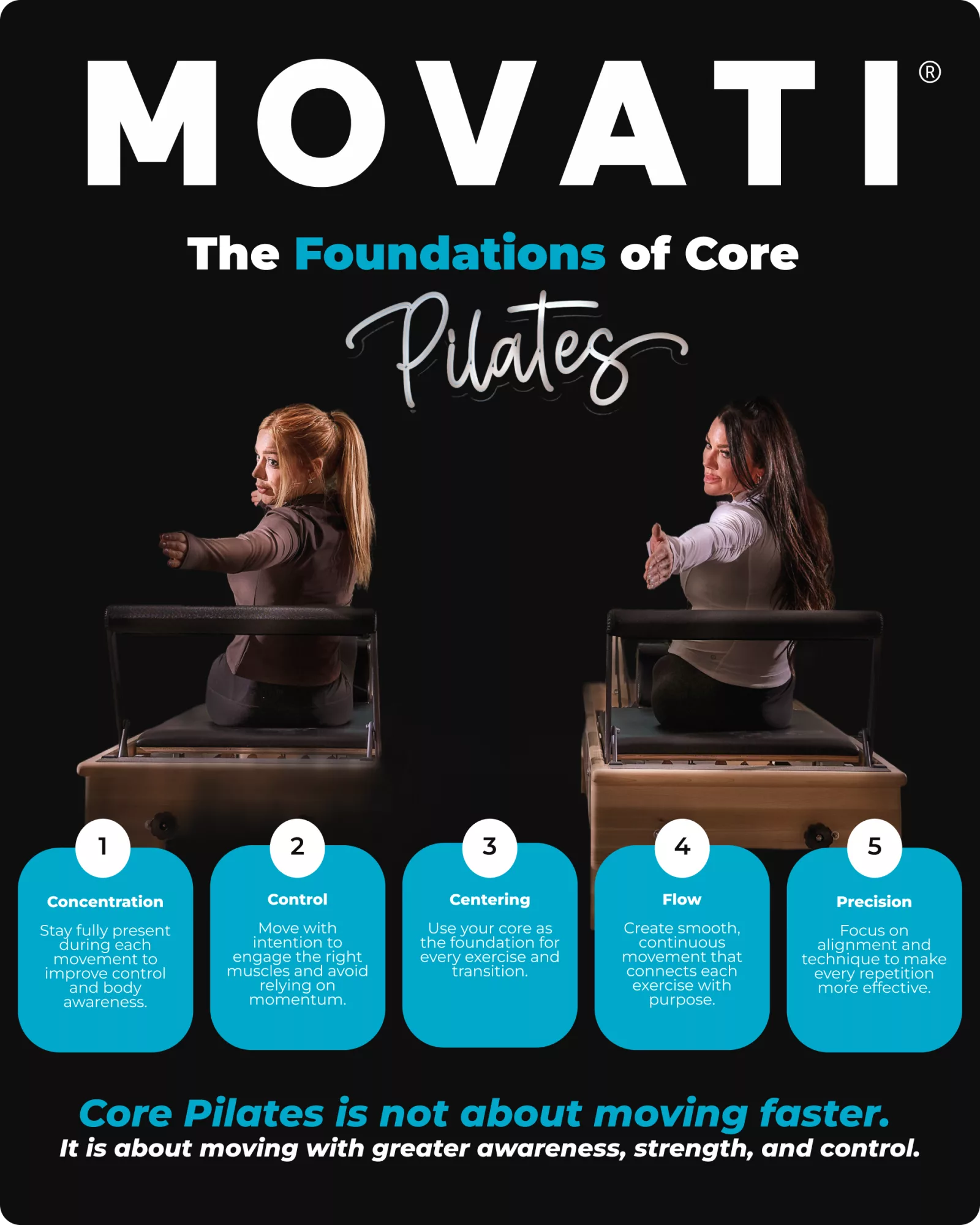
The effectiveness of pilates lies in its foundational principles: concentration, control, centering, flow, precision, and breathing. These principles guide practitioners to execute movements with mindfulness and accuracy, ensuring that each exercise is performed with maximum benefit and minimal risk of injury.
Strengthens Deep Core Muscles
Pilates for the core is designed to strengthen the muscles that stabilize your spine, improve posture, and enhance functional movement. Research shows that consistent Pilates training can produce measurable improvements in the deep muscles responsible for core stability.
Key findings:
- A six-week Pilates-based core stabilization program significantly increased the thickness and contraction ratios of deep core muscles, including the transverse abdomins and internal obliques.
- Participants completed three Pilates sessions per week, with improvements observed compared to a control group performing aerobic exercise.
- Pilates training also improved:
- Deep core muscle activation.
- Spinal stability.
- Neuromuscular control.
- Coordination of the abdominal muscles.
- These findings suggest that practicing pilates for the core consistently can help build a stronger, more stable core, supporting better posture, balance, athletic performance, and everyday movement.
Reference:
Lee, K. (2025). Effects of Core Stability Training on Deep Stabilizing Muscle Function and Neuromuscular Control. Medicina, 61(3), 364. https://pmc.ncbi.nlm.nih.gov/articles/PMC11944116/
Key Benefits of Pilates core workout
Pilates for the core offers a variety of benefits that extend beyond physical fitness, contributing to overall well-being and enhancing quality of life. Below are some of the key advantages:
- Improved Core Strength and Stability: At its core, pilates targets the central muscles that stabilize the spine, which are essential for maintaining a healthy posture and reducing the risk of back pain.
- Enhanced Flexibility: The controlled movements and stretches in pilates exercises help to increase flexibility, which can prevent injuries and improve the range of motion.
- Better Posture: By strengthening the core, pilates helps align the spine correctly, leading to improved posture. This can alleviate stress and tension in the neck and shoulders.
- Increased Body Awareness: Core pilates emphasizes precise movements and alignment, fostering a greater awareness of one’s body. This awareness can translate into improved coordination and balance in daily activities.
- Stress Reduction: The focus on breathing and mindfulness in pilates can reduce stress levels, promoting a sense of calm and relaxation.
Pilates for the Core: Techniques and Exercises
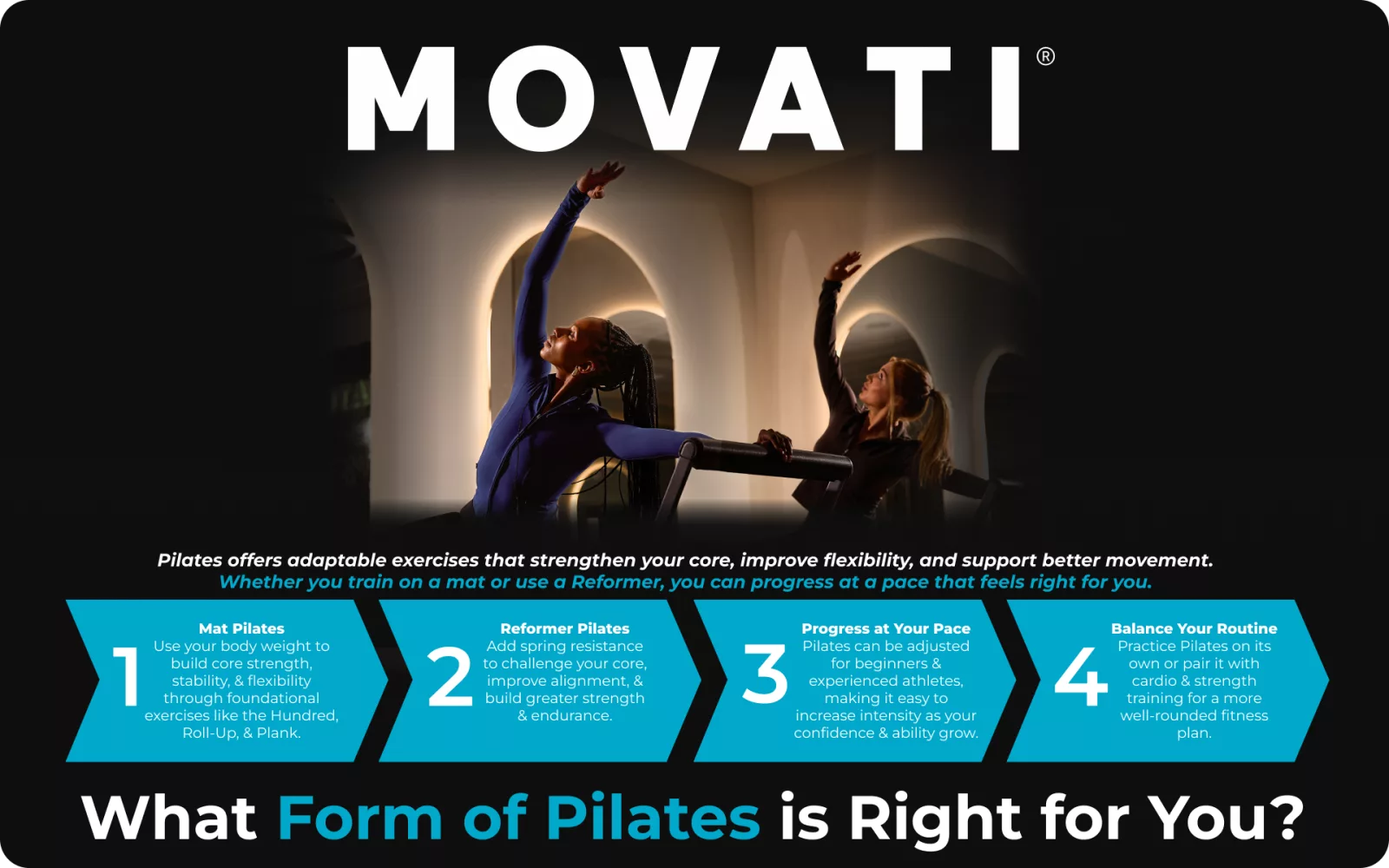
Pilates incorporates a variety of exercises that can be adjusted to suit different fitness levels. These exercises range from basic to advanced, allowing practitioners to progress at their own pace.
1. Mat Exercises
Mat exercises are a foundational component of pilates for the core, performed on a mat using the body’s weight as resistance. Common mat exercises include the Hundred, the Roll-Up, and the Plank. These exercises are designed to enhance core strength and improve flexibility.
2. Reformer Exercises
The Pilates reformer is a piece of equipment that adds resistance through springs, enhancing the intensity of workouts. Reformer exercises such as Footwork, the Long Stretch, and the Elephant are integral for building strength and endurance while maintaining proper alignment.
Incorporating Pilates for the Core into Your Fitness Routine
Integrating core pilates into your fitness regimen can complement other forms of exercise, whether you’re a beginner or an experienced athlete. It can be practiced alone or combined with cardio and strength training for a balanced workout routine. The adaptability of pilates makes it suitable for individuals of all ages and fitness levels.
For beginners, starting with a certified instructor is recommended to ensure proper form and technique. As you become more comfortable with the exercises, you can incorporate pilates sessions into your weekly routine, gradually increasing intensity and duration.
Core pilates offers a comprehensive approach to fitness that not only strengthens the core but also enhances overall physical and mental well-being. By focusing on core stability, flexibility, and mindful movement, practitioners can enjoy improved posture, reduced stress, and greater body awareness. Whether practiced in a class setting or at home, pilates is a versatile and effective way to enhance your fitness journey.
