
Gut Healthy Foods: Essential Choices for Better Digestion and Overall Wellness
Maintaining a healthy gut is crucial for overall wellness, as it impacts a wide range of bodily functions. Often referred to as the body’s “second brain,” the gut is a complex system that extends beyond digestion. It is intricately linked to the immune system, influencing how the body responds to infections and diseases. Furthermore, the gut plays a pivotal role in mental health, given the strong connection between gut health and mood regulation. The gut-brain axis, a communication network that links the emotional and cognitive centers of the brain with peripheral intestinal functions, highlights this relationship.

Incorporating certain foods into your diet can significantly enhance digestive processes, leading to better nutrient absorption and reduced gastrointestinal discomfort. These foods also contribute to a balanced microbiome, the community of microorganisms residing in the intestines, which is essential for a resilient immune system. A well-functioning gut can help prevent chronic inflammation, which is linked to various health issues such as heart disease, diabetes, and certain cancers. Moreover, a healthy gut is associated with improved mental clarity and emotional stability, which can enhance your overall quality of life.
This article delves into the best dietary choices for nurturing your gut, examining how each food contributes to your overall health and well-being. By understanding the role of these foods, you can make informed decisions that support not just your digestive health, but your holistic wellness as well.
The Importance of Gut Health
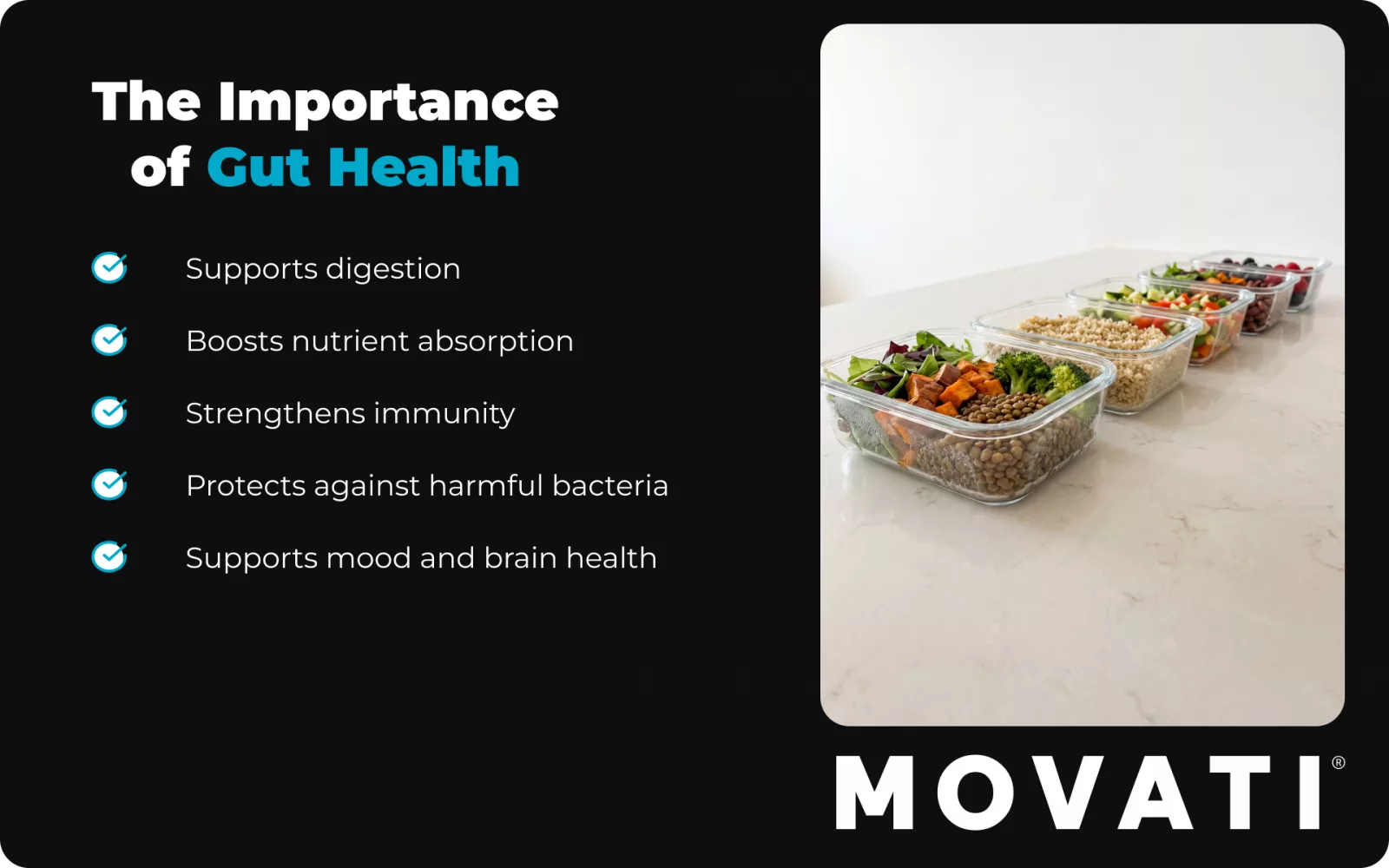
Gut health refers to the balance of microorganisms that live in the digestive tract. These microorganisms, including bacteria, fungi, and viruses, are vital for breaking down food, absorbing nutrients, and protecting against harmful pathogens. A healthy gut microbiome supports a robust immune system, effective digestion, and can even influence your mood and mental clarity.
When the balance of these microorganisms is disrupted, it can lead to various digestive issues, such as bloating, constipation, and diarrhea. Furthermore, poor gut health has been linked to more severe conditions like irritable bowel syndrome (IBS), inflammatory bowel disease (IBD), and even depression and anxiety.
Growing Awareness of Gut Health
Interest in gut health continues to grow as more people recognize its role in overall wellness. Research and consumer trends show that many individuals now understand that a healthy gut can influence more than digestion, including mental well-being.
Key findings:
79% of consumers recognize the connection between gut health and mental well-being.
Growing awareness of the gut-brain connection has increased interest in foods that support digestive health.
Consumers are increasingly seeking foods that promote a healthy gut microbiome, such as fiber-rich, fermented, and probiotic-containing foods.
Supporting gut health is becoming an important part of a holistic approach to overall physical and mental wellness.
Reference:
Puratos. Food Trends Following the Gut Health Boom. Available at: https://www.puratos.ca/en/blog/taste-tomorrow/Food-trends-following-the-gut-health-boom
Top Gut Healthy Foods to Include in Your Diet
1. Fermented Foods
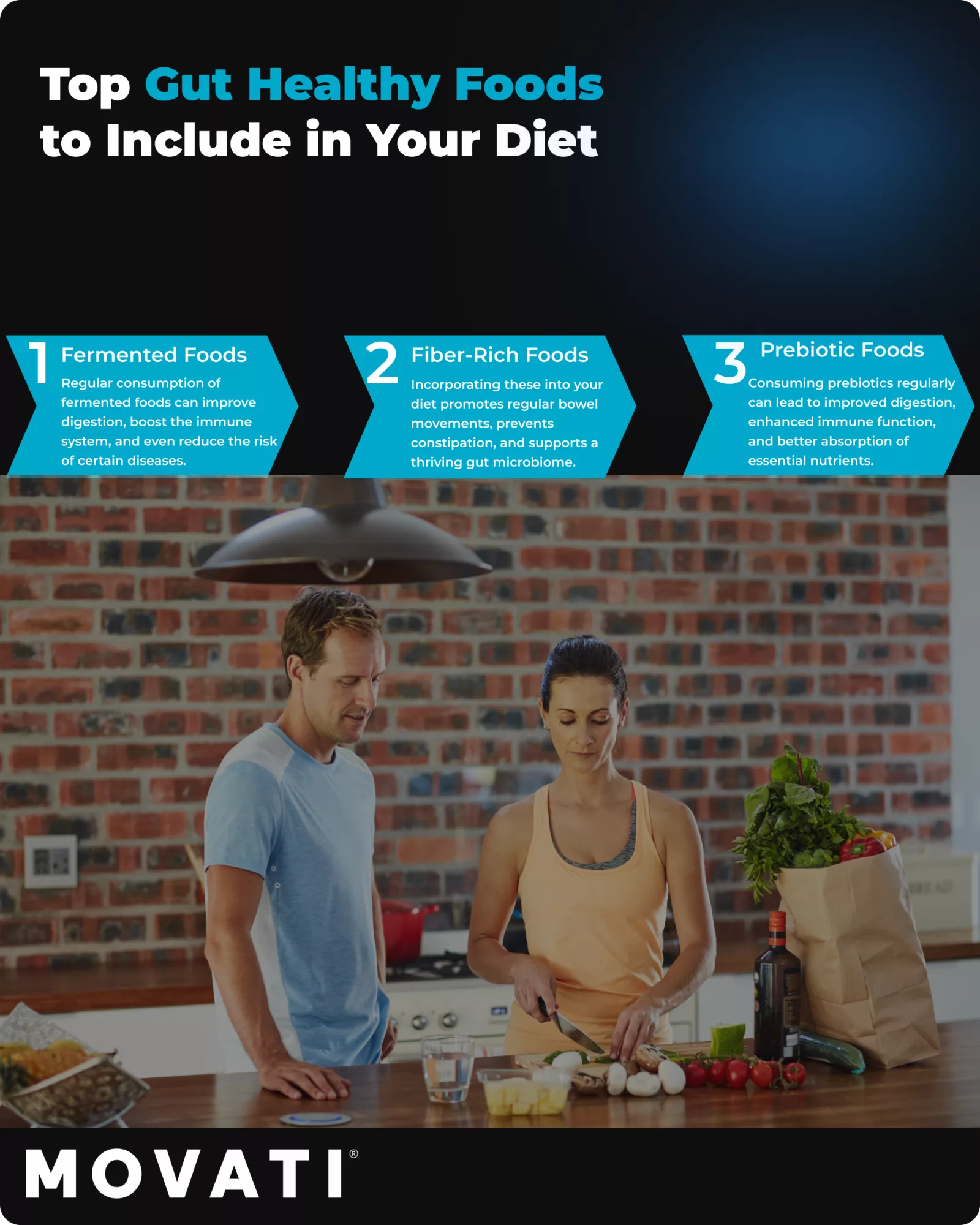
Fermented foods are a cornerstone of a gut-friendly diet. They undergo a process of lacto-fermentation, in which natural bacteria feed on the sugar and starch, creating lactic acid. This process not only preserves the food but also creates beneficial enzymes, B-vitamins, omega-3 fatty acids, and probiotics.
Foods like yogurt, kefir, sauerkraut, kimchi, and miso are rich in probiotics, which are live bacteria that can enhance the health of your gut microbiome. Regular consumption of fermented foods can improve digestion, boost the immune system, and even reduce the risk of certain diseases.
2. Fiber-Rich Foods
Fiber is essential for maintaining a healthy gut. It passes through the stomach undigested and ends up in the colon, where it feeds beneficial gut bacteria. There are two types of fiber: soluble and insoluble. Soluble fiber dissolves in water and can help lower glucose levels and cholesterol, while insoluble fiber adds bulk to the stool and aids in its movement through the digestive tract.
Foods high in fiber include whole grains, beans, lentils, fruits, and vegetables. Incorporating these into your diet promotes regular bowel movements, prevents constipation, and supports a thriving gut microbiome.
3. Prebiotic Foods
Prebiotics are non-digestible fibers that feed the beneficial bacteria in your gut. They play a significant role in maintaining the balance of the gut microbiome and enhancing digestive health. Unlike probiotics, which are live bacteria, prebiotics serve as food for these bacteria.
Common prebiotic foods include garlic, onions, leeks, asparagus, bananas, and oats. Consuming prebiotics regularly can lead to improved digestion, enhanced immune function, and better absorption of essential nutrients.
Additional Tips for Supporting Gut Health
1. Stay Hydrated
Drinking plenty of water is essential for digestion and overall gut health. Water helps break down food so that your body can absorb nutrients more effectively. Staying hydrated also helps prevent constipation and maintains the mucosal lining of the intestines, which supports a healthy gut barrier.
2. Limit Processed Foods
Processed foods often contain high levels of sugar, unhealthy fats, and additives that can harm your gut health. These elements can disrupt the balance of your gut microbiome, leading to digestive issues and other health problems. Opt for whole, unprocessed foods whenever possible to support your gut health.
3. Manage Stress
Chronic stress can negatively impact your gut health. It can alter the gut microbiome and increase gut permeability, often referred to as “leaky gut.” Practicing stress-reducing techniques such as meditation, yoga, and deep breathing exercises can promote a healthy gut and improve overall well-being.
Conclusion: Embrace Gut Healthy Foods for a Better Life
Incorporating gut healthy foods into your diet is a powerful step towards improving digestion and overall health. By focusing on fermented foods, fiber-rich options, and prebiotics, you can support a balanced gut microbiome. Coupled with lifestyle choices such as staying hydrated, avoiding processed foods, and managing stress, these dietary changes can lead to significant improvements in your digestive health and overall wellness.
