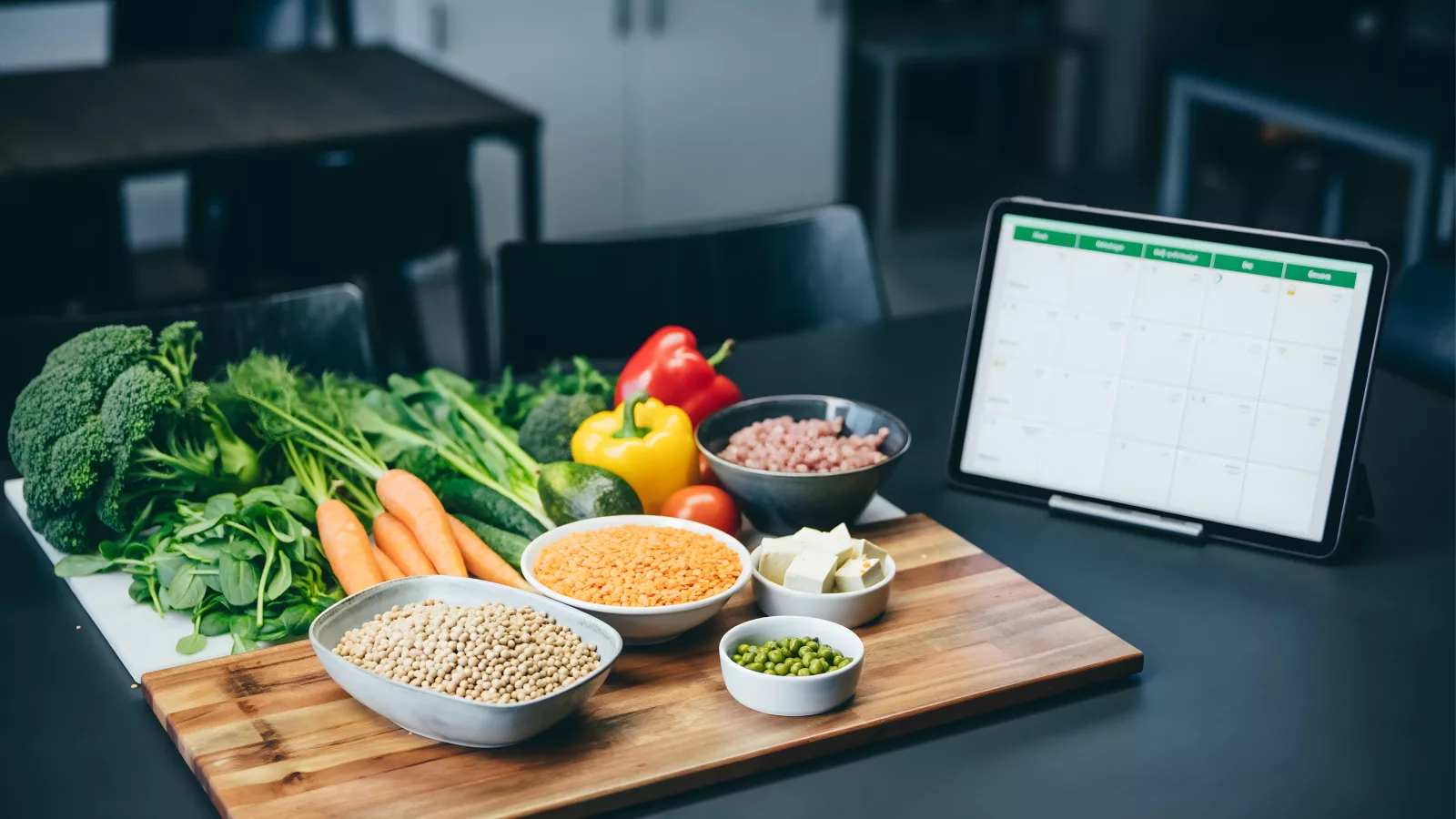
Protein is an essential macronutrient that plays a crucial role in building and repairing tissues, producing enzymes, and supporting overall health. Understanding the best sources of protein can help you make informed dietary choices that support your health and fitness goals. In this article, we will explore various good sources of protein, their benefits, and how they can be incorporated into a balanced diet..
The Importance of Protein in Your Diet
Protein is vital for maintaining muscle mass, supporting immune function, and promoting healthy skin and hair. It is made up of amino acids, which are the building blocks of the body. While some amino acids can be produced by the body, others, known as essential amino acids, must be obtained from food. Ensuring a sufficient intake of protein is crucial for overall well-being and optimal bodily function.
Choosing Heart-Healthy Protein Sources
Protein is an essential nutrient that supports muscle growth, tissue repair, and overall health. According to the American Heart Association, the type of protein you choose matters just as much as the amount. Prioritizing lean and plant-based protein sources can help support heart health while providing essential nutrients.
Key recommendations:
- Choose plant-based proteins such as:
- Beans and legumes
- Lentils
- Chickpeas
- Nuts and seeds
- Plant-based proteins are rich in fiber and protein while typically being lower in saturated fat. For example, one cup of cooked legumes provides about 16 grams of protein.
- Opt for low-fat or fat-free dairy products instead of full-fat dairy to reduce saturated fat intake.
- Eat fish and seafood 2 to 3 times per week, especially oily fish such as:
- Salmon
- Mackerel
- Sardines
- Herring
- Tuna
- Anchovies
- Choose baked, grilled, or broiled seafood rather than fried varieties.
- When eating meat or poultry, select lean cuts and skinless poultry, and limit processed meats.
- Eggs are a nutritious source of protein and can generally be included daily as part of a healthy diet, although individuals with dyslipidemia should consult their healthcare provider about appropriate intake.
- Create balanced meals by combining lean proteins with vegetables, such as vegetable stir-fries, soups, or grain bowls.
- Practice portion control, aiming for about 3 ounces of cooked meat or poultry (approximately 4 ounces raw) per meal.
Reference:
American Heart Association. Protein and Heart Health.
Animal-Based Protein Sources
Animal products are among the most common and complete sources of protein, providing all essential amino acids required by the body. These sources are particularly beneficial for those who engage in regular physical activity and need increased protein intake for muscle repair and growth.
1. Lean Meats
Lean meats such as chicken, turkey, and lean cuts of beef and pork are excellent options for high-quality protein. They are low in saturated fats and rich in essential nutrients like iron and B vitamins.
2. Fish and Seafood
Fish and seafood are not only rich in protein but also packed with omega-3 fatty acids, which are beneficial for heart health. Salmon, tuna, and shrimp are popular choices that offer a wealth of nutrients.
3. Dairy Products
Dairy products like milk, yogurt, and cheese provide a substantial amount of protein along with calcium, which is important for bone health. Greek yogurt, in particular, is a protein powerhouse with lower sugar content than regular yogurt.
4. Eggs
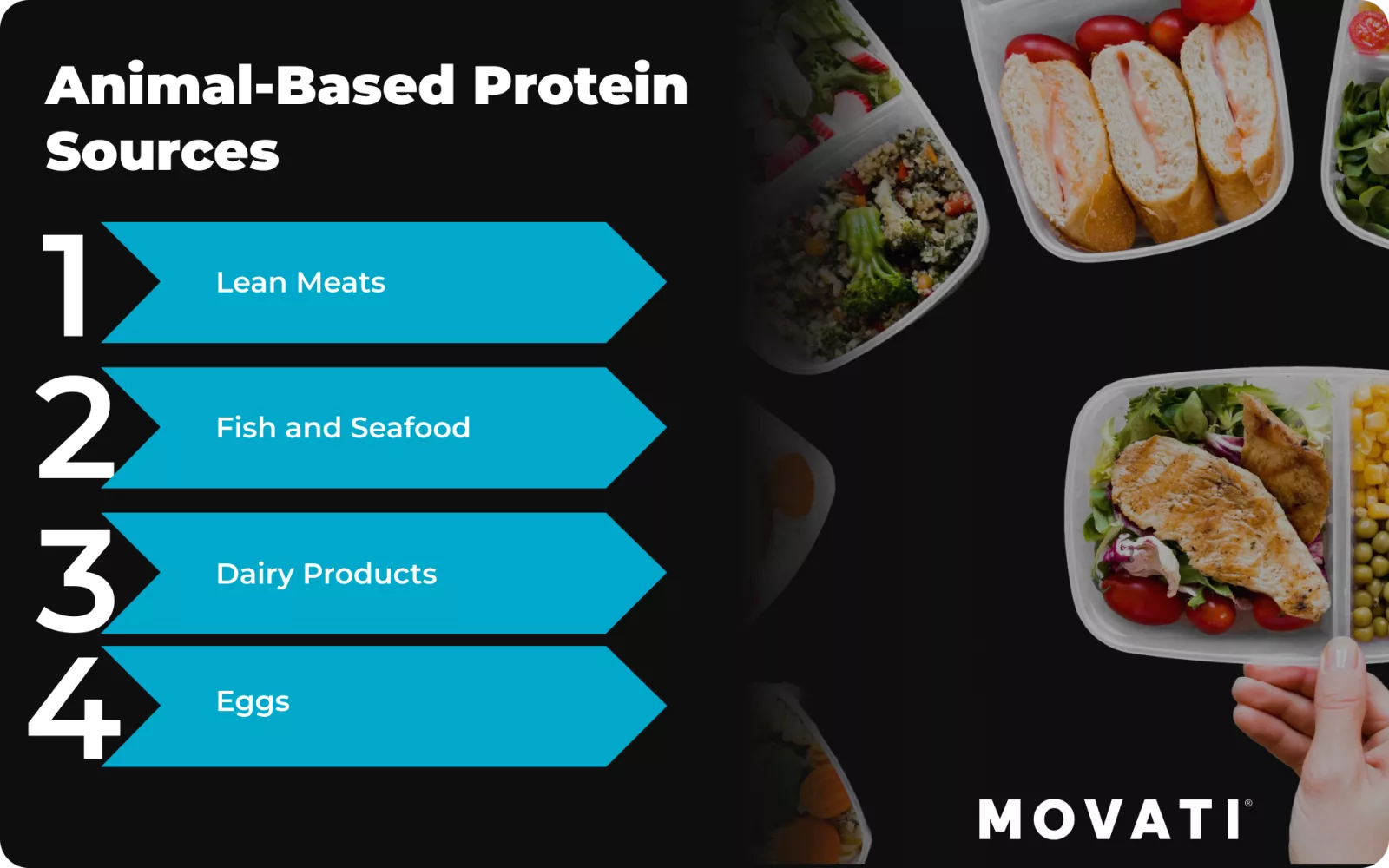
Eggs are one of the most versatile and affordable sources of protein. They contain all nine essential amino acids and are rich in vitamins such as B12 and D, making them an excellent choice for a balanced diet.
Plant-Based Protein Sources
For those following a vegetarian or vegan diet, there are numerous plant-based options that can provide adequate protein. These sources are also beneficial for individuals looking to reduce their intake of animal products while maintaining a healthy diet.
1. Legumes
Legumes, including beans, lentils, and chickpeas, are excellent plant-based protein sources. They are also high in fiber, which can aid in digestion and help maintain a healthy weight.
2. Nuts and Seeds
Nuts and seeds such as almonds, walnuts, chia seeds, and flaxseeds offer healthy fats and proteins. They are ideal for snacking or adding to various dishes for an extra protein boost.
3. Whole Grains
Whole grains like quinoa, brown rice, and oats not only provide protein but are also rich in fiber and essential nutrients. Quinoa is a particularly noteworthy grain because it contains all nine essential amino acids.
4. Tofu and Tempeh
Tofu and tempeh, derived from soybeans, are popular protein sources among vegetarians and vegans. They are versatile ingredients that can be used in a variety of dishes, from stir-fries to salads.
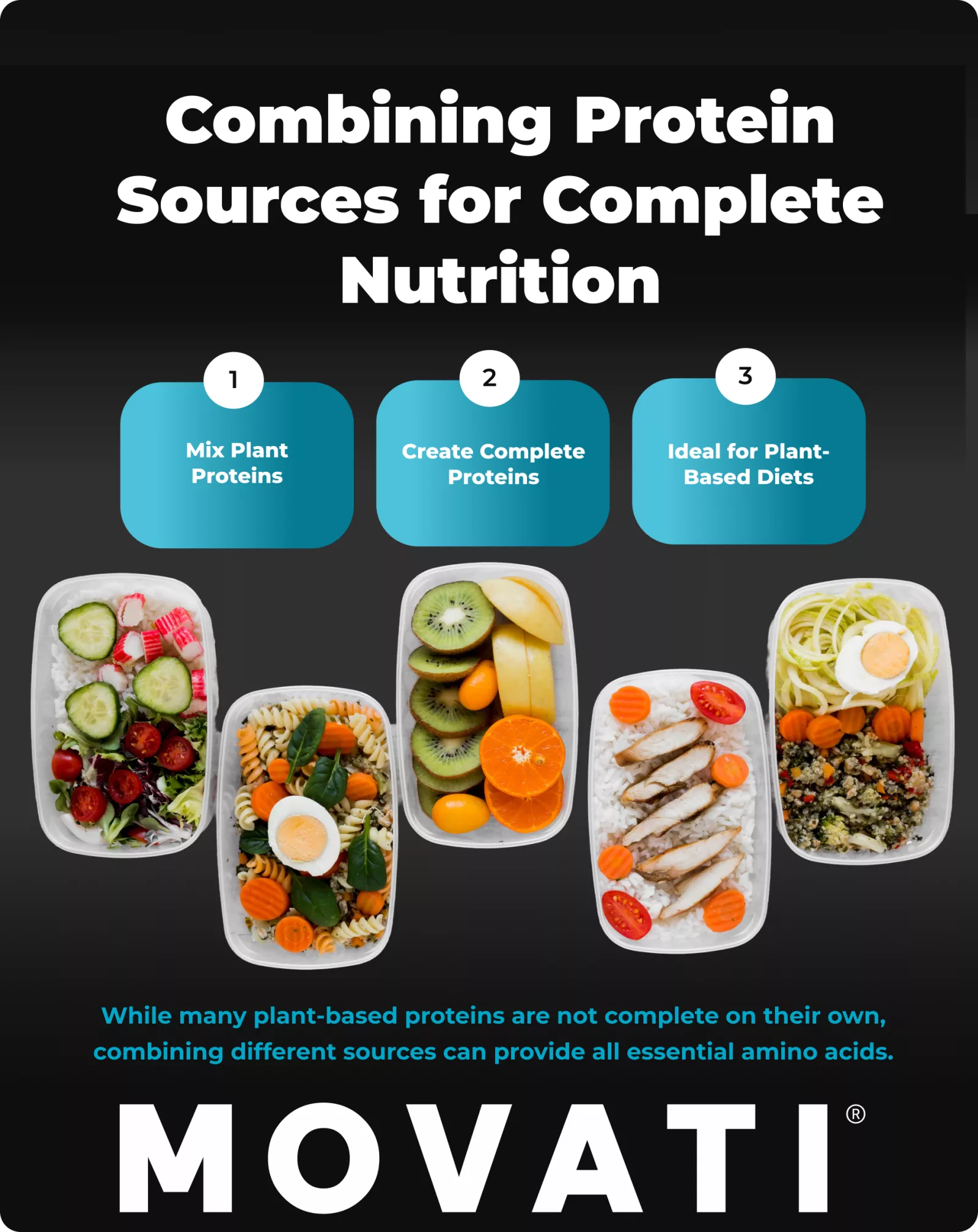
Combining Protein Sources for Complete Nutrition
While many plant-based proteins are not complete on their own, combining different sources can provide all essential amino acids. For example, pairing beans with rice or hummus with whole-grain bread can ensure a complete protein intake. This approach is particularly important for those following a vegetarian or vegan diet.
Incorporating Protein into Your Daily Diet
Incorporating a variety of protein sources into your daily meals can enhance your nutritional intake and support overall health. Aim to include a source of protein in each meal, whether it’s a serving of lean meat, a handful of nuts, or a portion of legumes. This strategy can help maintain energy levels, support muscle health, and promote satiety throughout the day.
Conclusion
Understanding and incorporating good sources of protein into your diet is essential for maintaining health and well-being. Whether you prefer animal-based products or plant-based alternatives, there are numerous options available to suit any dietary preference. By choosing a variety of protein sources, you can ensure you are meeting your nutritional needs and supporting your body’s functions effectively. Remember, a balanced diet that includes adequate protein is key to achieving and maintaining a healthy lifestyle.
