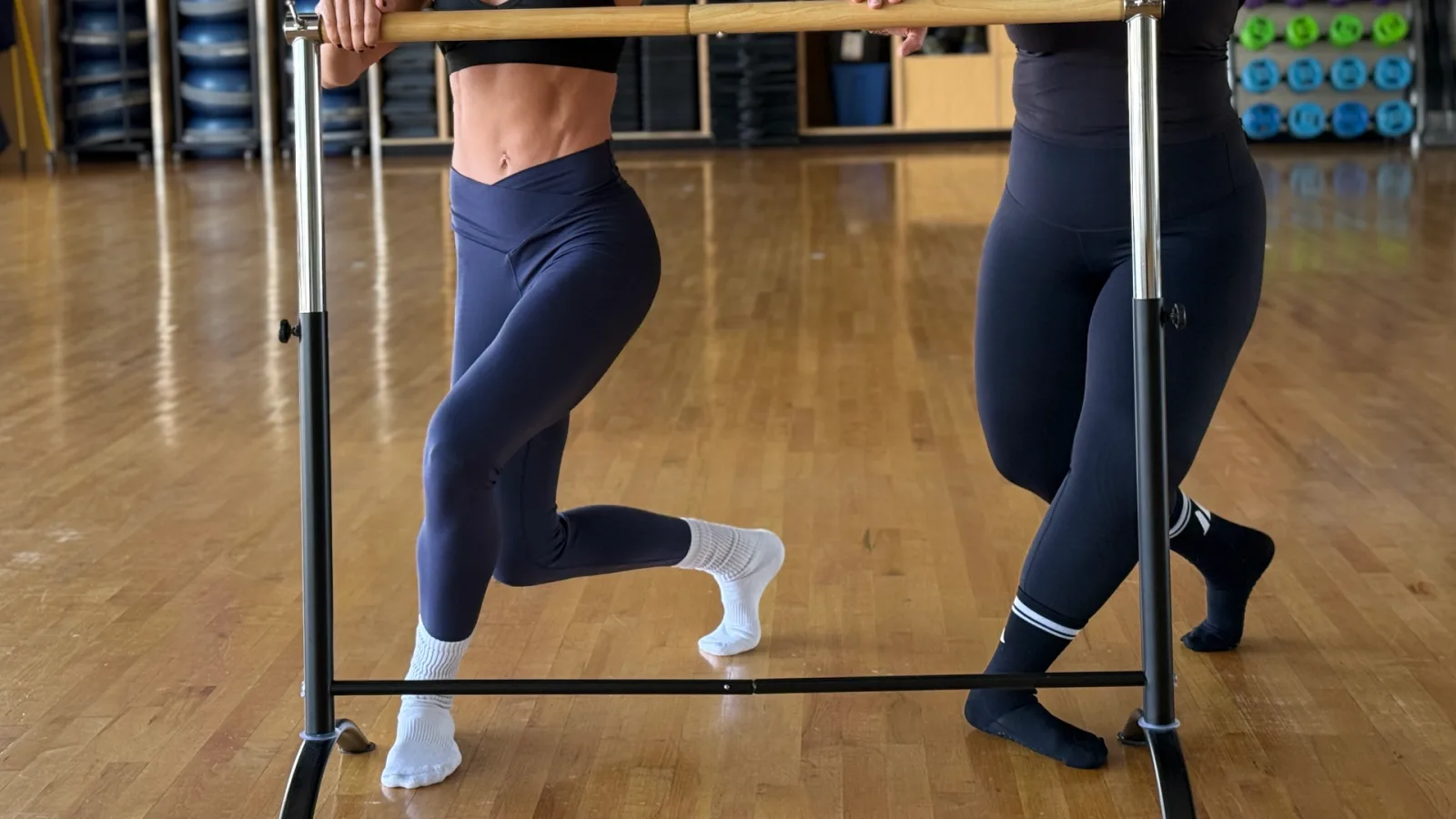
Calf strengthening exercises are most effective when they train the lower leg through different knee positions and a full, controlled range. Strong calves contribute to walking, running, jumping and balance, but progress requires more than completing quick repetitions at the end of leg day.
Why knee position matters
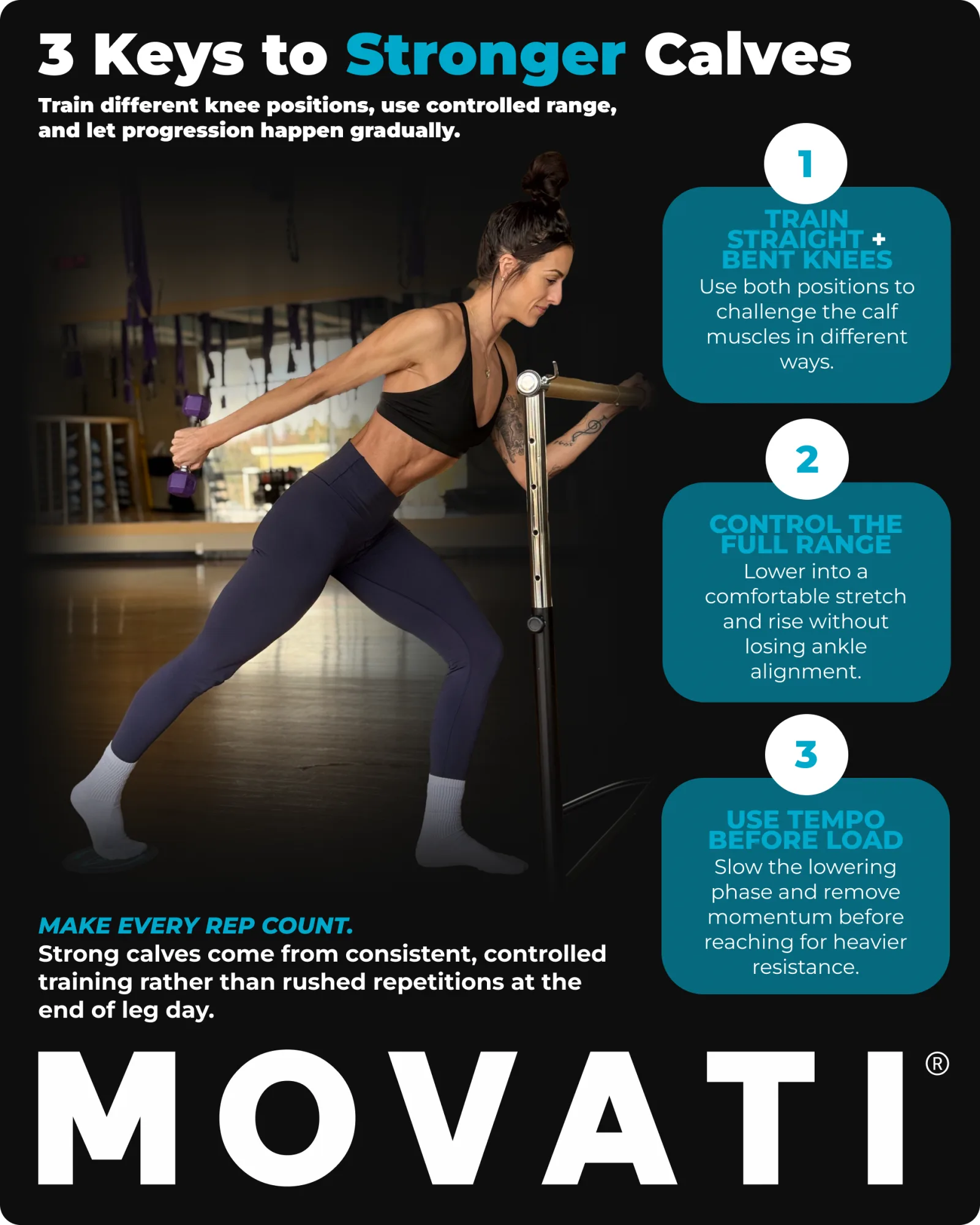
The gastrocnemius crosses both the knee and ankle and works strongly when the knee is relatively straight. The soleus sits underneath it and becomes a major contributor when the knee is bent. A complete plan includes both positions.
Four exercises to build stronger calves
Standing calf raise
Stand with feet about hip-width apart. Rise through the balls of the feet, pause briefly and lower under control. Use a wall for balance so stability does not limit the working muscles.
Seated calf raise
Sit with knees bent and feet flat. Lift the heels, pause and lower slowly. Add resistance across the thighs only after you can maintain an even path through both feet.
Single-leg calf raise
Shift to one side and use light fingertip support. Keep the ankle aligned and avoid rolling outward. Start on the floor, then use a step if you need more range.
Bent-knee wall calf raise
Lean lightly into a wall, bend the knees and lift both heels without changing your squat depth. This option trains the calves while the knees remain flexed.
Use range and tempo before chasing load
Lower until you feel a comfortable stretch, then rise as high as you can without losing alignment. A two- or three-second lowering phase removes momentum and makes every repetition more deliberate. If your range shrinks as the set continues, stop before technique breaks down.
How often should you train calves?
Two or three weekly sessions work well for many people. Begin with two exercises per session and two or three sets of controlled repetitions. Leave at least a day between challenging sessions, particularly if calf work is new to you.
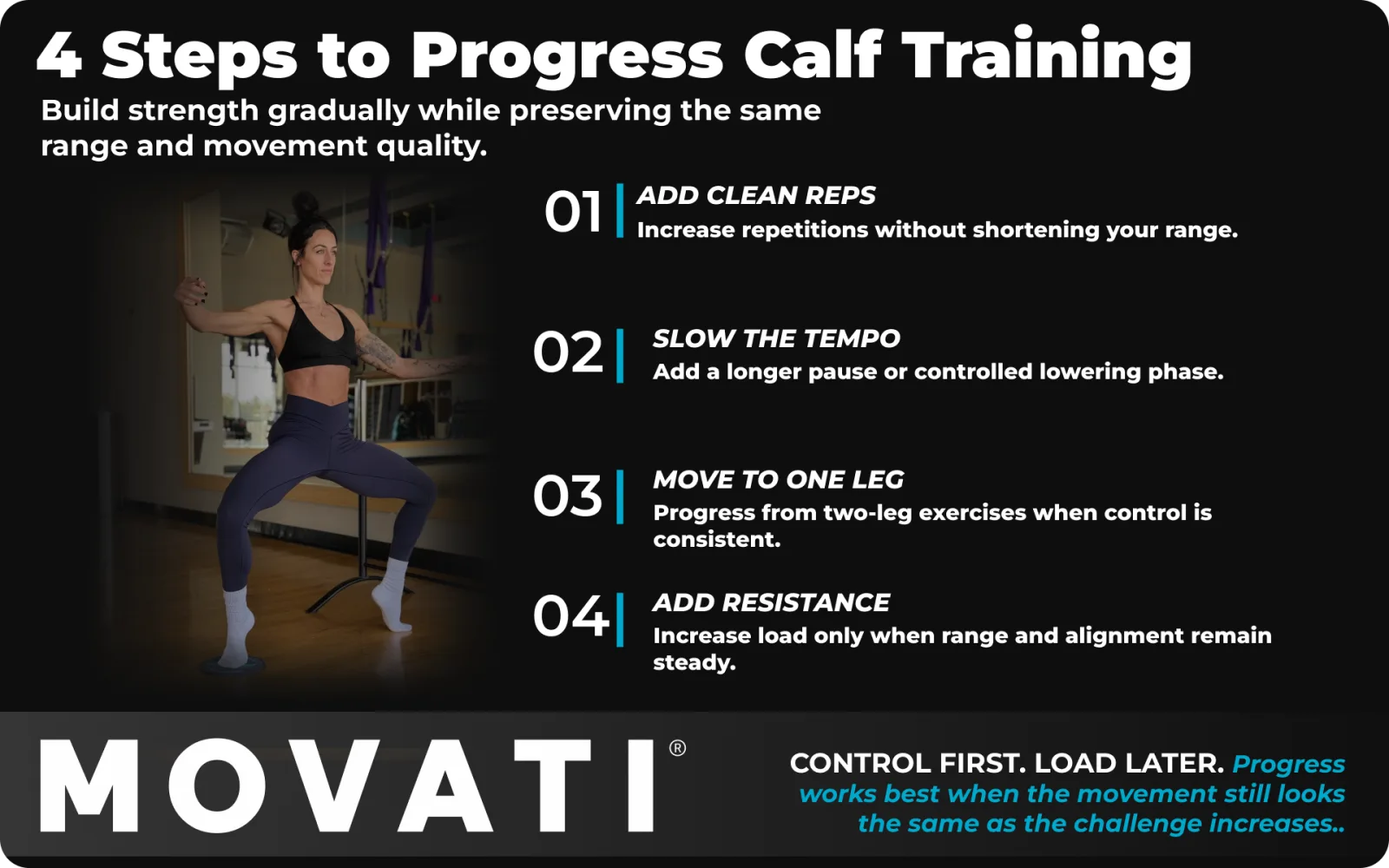
How to progress
- Add a few clean repetitions within your target range.
- Increase the pause at the top or slow the lowering phase.
- Move from two legs to one.
- Add resistance while preserving the same range and control.
Walking and running add calf workload, so consider your total activity when planning recovery. Persistent tightness, sudden pain or swelling deserves attention rather than another hard set.
A smart calf program is simple: train straight- and bent-knee positions, move through a controlled range and progress gradually. Consistency will do more for lower-leg strength than occasional high-volume sessions.
