
Building a balanced plate is one of the simplest and most effective ways to improve your overall health. Whether your goal is to have more energy, maintain a healthy weight, build muscle, or simply make better food choices, learning how to balance your meals can help you get there. Rather than following restrictive diets or cutting out entire food groups, a balanced food plate focuses on giving your body the nutrients it needs in the right proportions.
This approach is sustainable, flexible, and easy to adapt to your personal preferences. By making small, consistent improvements to the meals you eat each day, you can build healthy habits that last.
What Is a Balanced Food Plate?
A balanced food plate is a simple way to visualize how much of each food group should be included in a meal. Instead of worrying about counting calories or measuring every ingredient, you focus on creating meals that include vegetables, protein, healthy carbohydrates, and healthy fats.
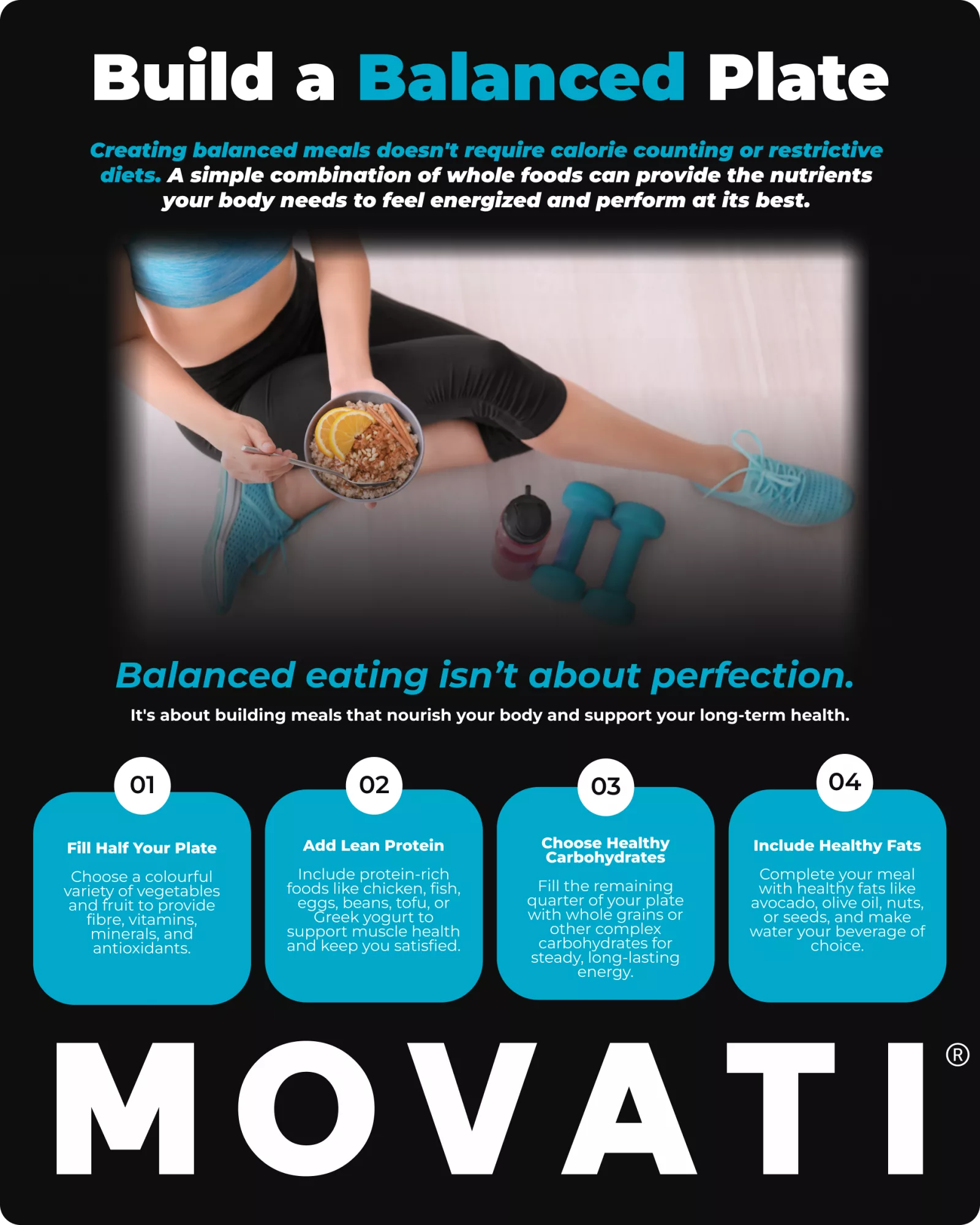
A good rule of thumb is to fill half of your plate with vegetables and fruit, one quarter with lean protein, and the remaining quarter with whole grains or other healthy carbohydrates. Adding a small serving of healthy fats and drinking water alongside your meal helps complete the picture.
This simple method provides your body with the carbohydrates, protein, fats, vitamins, minerals, and fiber it needs to function properly.
Why Is a Balanced Food Plate Important?
Every food group has an important role in supporting your health. When they’re combined in the right proportions, they help your body perform at its best throughout the day.
Eating balanced meals can help you:
Maintain steady energy levels
Feel fuller for longer
Support muscle recovery and growth
Improve digestion
Strengthen your immune system
Promote heart health
Support healthy weight management
One of the biggest advantages of balanced meals is that they help prevent the energy highs and lows that often come from eating meals high in refined carbohydrates or processed foods.
The Four Main Components of a Balanced Food Plate
1. Fill Half Your Plate with Vegetables and Fruit
Vegetables and fruits should make up the largest portion of your meal because they’re naturally rich in vitamins, minerals, antioxidants, fiber, and water.
Rather than eating the same vegetables every day, try to include a variety of colours throughout the week. Green vegetables like broccoli and spinach provide nutrients that support bone health and immunity, while orange vegetables like carrots and sweet potatoes are rich in vitamin A. Berries, tomatoes, peppers, and other colourful produce offer antioxidants that help protect your body’s cells.
The more variety you include, the wider range of nutrients you’ll receive.
2. Add Lean Protein
Protein helps build and repair muscles, supports your immune system, and helps keep you satisfied between meals.
Good sources include chicken, turkey, fish, eggs, Greek yogurt, beans, lentils, tofu, and chickpeas. Including protein with each meal slows digestion and can help reduce cravings later in the day.
Whether you choose animal or plant-based protein, the goal is to make it a regular part of your daily meals.
3. Include Healthy Carbohydrates
Carbohydrates are your body’s preferred source of energy, but choosing the right kinds makes a big difference.
Whole grains and complex carbohydrates provide lasting energy because they’re digested more slowly than refined carbohydrates. Brown rice, quinoa, oats, whole grain bread, and sweet potatoes all provide fiber along with important vitamins and minerals.
There’s no need to avoid carbohydrates entirely. Instead, focus on choosing minimally processed options whenever possible.
4. Don’t Forget Healthy Fats
Healthy fats often get overlooked, but they’re essential for hormone production, brain health, heart health, and helping your body absorb certain vitamins.
Foods like avocados, olive oil, nuts, seeds, and fatty fish provide healthy unsaturated fats that fit well into a balanced eating pattern. Since fats are more calorie-dense, even small portions provide plenty of nutritional benefits.
Hydration Is Part of Good Nutrition
A balanced diet isn’t only about what’s on your plate. Staying hydrated is equally important.
Water supports digestion, regulates body temperature, transports nutrients throughout the body, and helps maintain energy levels. While everyone’s hydration needs differ, making water your primary beverage is one of the easiest ways to support your overall health.
How to Build a Balanced Meal
Creating a balanced meal doesn’t have to be complicated. In fact, once you understand the basic formula, meal planning becomes much easier.
For example, breakfast might include scrambled eggs with whole grain toast, fresh berries, and avocado. Lunch could consist of grilled chicken, brown rice, and roasted vegetables, while dinner might feature baked salmon with quinoa and a side salad.
The exact foods don’t matter nearly as much as including a variety of nutrient-rich ingredients from each food group.
Common Mistakes to Avoid
Many people unintentionally make their meals less balanced by focusing too heavily on one food group.
For example, some meals contain plenty of carbohydrates but very little protein, leaving you hungry again shortly after eating. Others don’t include enough vegetables, meaning they’re missing valuable vitamins and fiber.
It’s also common to avoid carbohydrates altogether because of popular diet trends. However, whole grains and other complex carbohydrates provide important nutrients and long-lasting energy that support both everyday activities and exercise.
Finally, relying heavily on highly processed foods can make it more difficult to meet your nutritional needs. Choosing whole foods more often is a simple way to improve the quality of your diet without making eating feel restrictive.
Mindful Eating Can Improve Your Nutrition
Building a balanced food plate is only one part of healthy eating. How you eat matters too.
Taking time to slow down during meals allows you to better recognize when you’re hungry and when you’re comfortably full. Eating without distractions, chewing thoroughly, and paying attention to flavours and textures can make meals more enjoyable while helping prevent overeating.
These small habits can have a surprisingly positive impact over time.
My Experience with Building Balanced Meals
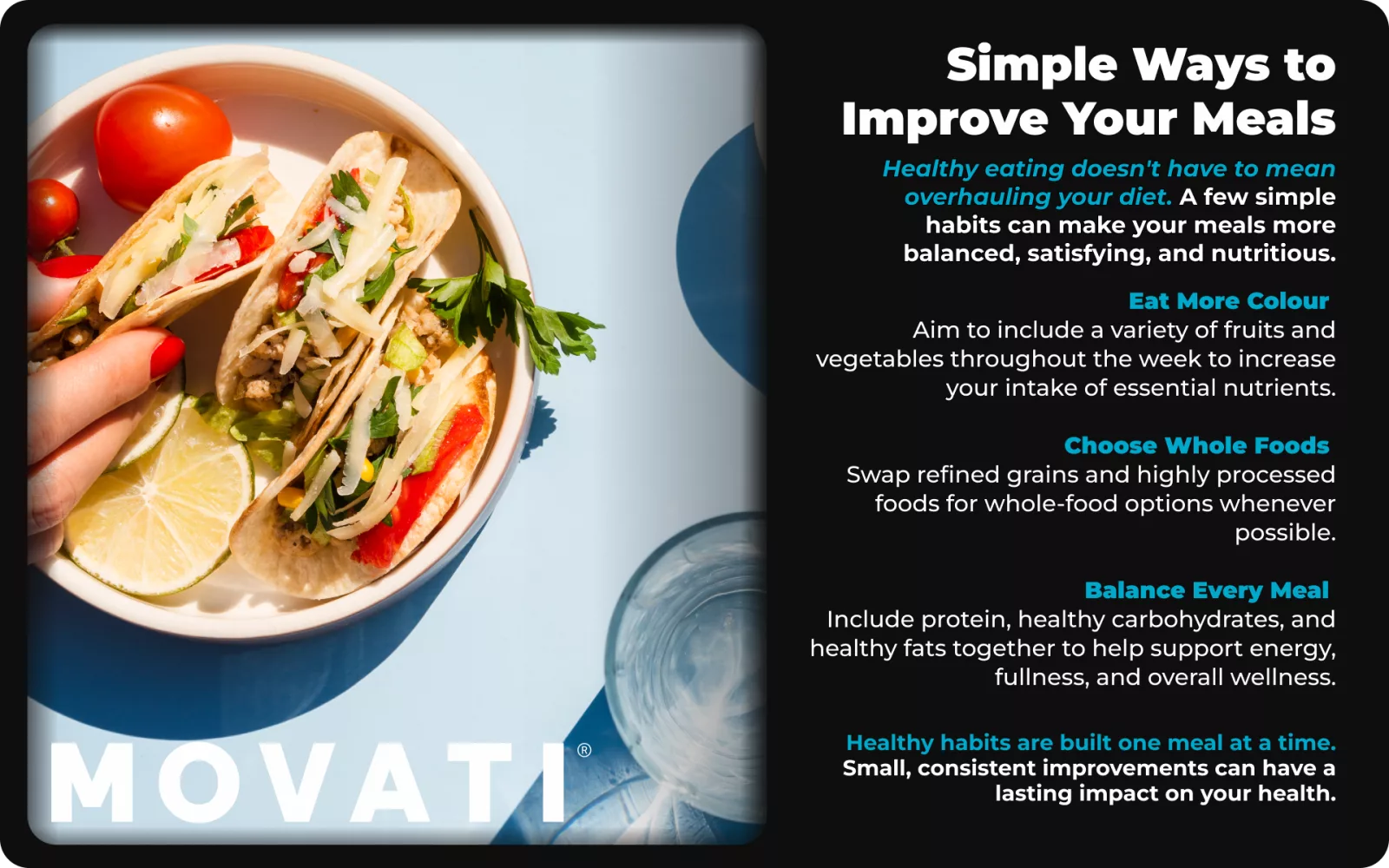
One simple habit I’ve personally adopted is building my meals around vegetables first instead of treating them as an afterthought. When I started filling half of my plate with vegetables before adding protein and grains, I naturally began eating a wider variety of foods without feeling like I was following a strict diet. I also noticed that my meals kept me satisfied longer, making it easier to avoid unnecessary snacking throughout the day. It’s a small change, but it’s one I’ve found practical enough to maintain consistently, which is often the key to building healthier eating habits.
People Often Ask
What is the easiest way to build a balanced food plate?
The easiest method is to fill half your plate with vegetables and fruit, one quarter with lean protein, and one quarter with whole grains or healthy carbohydrates. Add a small serving of healthy fats and drink water with your meal.
Can a balanced food plate help with weight management?
Yes. Meals that include plenty of protein, fiber, and whole foods tend to be more filling, making it easier to manage hunger and support a healthy weight over time.
Do I need to count calories?
Not necessarily. Many people find the balanced food plate method much easier to follow because it focuses on food quality and portion balance rather than tracking every calorie.
Can vegetarians use the balanced food plate method?
Absolutely. Plant-based proteins like lentils, beans, tofu, tempeh, and chickpeas work just as well when creating balanced meals.
Start with One Meal at a Time
Healthy eating doesn’t have to be overwhelming. Building a balanced plate is one of the easiest ways to improve your nutrition without following restrictive diets or complicated meal plans.
Start by making one meal each day a little more balanced. Add another serving of vegetables, swap refined grains for whole grains, or include a source of lean protein. These small, consistent improvements can make a meaningful difference over time, helping you create healthy habits that support your energy, wellness, and long-term health.
