
Low impact exercise has gained popularity as a gentle yet effective way to stay fit and healthy. This type of workout minimizes stress on the joints while improving strength, flexibility, and overall physical well-being. It is suitable for people of all ages and fitness levels, making it an accessible option for maintaining an active lifestyle.
Whether you’re recovering from an injury, managing a chronic condition, or simply looking for a less strenuous way to stay active, gentle workout routines offer numerous benefits. Incorporating these exercises into your regular fitness routine can help improve mobility, build endurance, and support long-term health without placing unnecessary strain on your body.
What is Low Impact Exercise?
low pressure exercise refers to physical activity that involves minimal stress on the joints. Unlike high impact exercises such as running or jumping, which can put significant pressure on the knees, hips, and ankles, low impact workouts reduce the chance of injury while still providing a beneficial cardiovascular workout. These exercises typically keep one foot on the ground at all times, ensuring stability and reducing the risk of strain.
The Benefits of mild intensity workouts
Mild intensity workouts offer an accessible and adaptable approach to maintaining physical fitness and overall well-being. These activities provide an effective way to stay active without placing excessive strain on the body, making them suitable for individuals of varying ages, abilities, and fitness levels.
Whether you’re beginning a fitness journey, returning to exercise after an injury, or looking for a sustainable way to stay healthy, gentle workout routines provide numerous physical and mental health benefits.
1. Joint Health
One of the primary benefits of mild intensity workouts is their ability to support joint health while minimizing unnecessary stress on the body. Activities such as walking, swimming, cycling, and stretching encourage regular movement without the repetitive impact associated with more strenuous exercises.
For individuals experiencing arthritis, joint stiffness, or general discomfort, these activities can help maintain flexibility, improve mobility, and strengthen the muscles surrounding the joints. Stronger supporting muscles can also improve stability and balance, making everyday movements easier and more comfortable. Regular physical activity may help reduce stiffness and support long-term joint function.
2. Improved Cardiovascular Fitness
Mild intensity workouts can play an important role in maintaining cardiovascular health. Although these activities are generally less demanding than vigorous exercise, they can still increase heart rate, encourage healthy circulation, and improve cardiovascular endurance when performed consistently.
Activities such as swimming, brisk walking, stationary cycling, and water aerobics encourage the heart and lungs to work more efficiently. Over time, regular participation can help improve stamina, support healthy blood pressure, and contribute to better overall heart health. Gradually increasing the duration or frequency of these workouts can provide additional cardiovascular benefits while allowing individuals to progress at a comfortable pace.
3. Weight Management
Maintaining a healthy weight involves a combination of regular physical activity, balanced nutrition, and sustainable lifestyle habits. Mild intensity workouts can contribute to weight management by increasing daily energy expenditure and encouraging consistent physical activity without requiring strenuous exercise sessions.
While gentler activities may burn fewer calories per minute than high intensity training, their accessibility often makes them easier to incorporate into a regular routine. Walking, cycling, swimming, and similar activities can be performed frequently and for longer durations, helping individuals establish lasting fitness habits. When combined with appropriate nutrition, these workouts can support gradual weight loss, weight maintenance, and improvements in overall body composition.
4. Mental Health Benefits
The benefits of mild intensity workouts extend beyond physical fitness, contributing to improved emotional well-being and mental health. Regular movement can help reduce everyday stress, improve mood, and provide an opportunity to disconnect from daily responsibilities.
Activities such as walking outdoors, practicing yoga, swimming, or participating in gentle fitness classes can promote relaxation and help manage symptoms of anxiety and depression. Physical activity also encourages the release of chemicals associated with improved mood and well-being, while regular exercise can contribute to better sleep quality and increased energy throughout the day.
Establishing a consistent fitness routine can also create a sense of accomplishment, build confidence, and encourage positive lifestyle habits. For individuals who find traditional exercise programs intimidating or physically demanding, gentler activities provide an approachable way to experience the mental and emotional benefits of staying active.
Examples of Mild Intensity Workouts
There are many ways to stay physically active without placing excessive strain on your muscles and joints. Mild intensity workouts offer a variety of options that can be adapted to individual fitness levels, physical abilities, and personal preferences. From outdoor activities to structured fitness classes, these exercises can help improve cardiovascular health, build strength, increase flexibility, and support overall well-being.
Whether you’re beginning a new fitness routine, recovering from an injury, or simply looking for gentler ways to stay active, choosing activities you enjoy can make it easier to maintain consistency. Here are five popular workout options and the benefits they offer.
Walking
Walking is one of the simplest and most accessible forms of physical activity, requiring little more than a comfortable pair of shoes. It can be enjoyed outdoors, on a treadmill, or along indoor walking tracks, making it a convenient option throughout the year. Walking regularly helps improve cardiovascular health, strengthen muscles, and maintain healthy circulation.
In addition to its physical benefits, walking can have a positive impact on mental well-being. Spending time outdoors, exploring nature trails, or walking with friends can help reduce stress and improve mood. Individuals can gradually increase their walking distance, pace, or frequency as their fitness improves, making it an excellent activity for building endurance and establishing healthy exercise habits.
Swimming
Swimming provides an effective full-body workout that engages multiple muscle groups while minimizing pressure on the joints. The natural buoyancy of water supports body weight, making movement more comfortable for individuals experiencing joint stiffness, arthritis, or certain mobility limitations.
Beyond its joint-friendly benefits, swimming helps improve cardiovascular endurance, muscular strength, and flexibility. Different swimming strokes engage the arms, legs, shoulders, and core, providing a balanced workout that can be adjusted to suit different fitness levels. Water walking and aquatic fitness classes are also excellent alternatives for individuals who prefer structured activities or are not comfortable swimming laps.
Cycling
Cycling is an enjoyable way to improve cardiovascular fitness, strengthen the lower body, and build endurance without the repetitive impact associated with activities such as running. Whether riding outdoors or using a stationary bike, cycling allows individuals to control their pace and resistance according to their fitness level.
Regular cycling helps strengthen the quadriceps, hamstrings, calves, and glutes while supporting heart and lung health. Stationary cycling is particularly convenient for individuals who prefer exercising indoors or want a controlled workout environment. Outdoor cycling offers the additional benefits of fresh air, changing scenery, and opportunities for social interaction through recreational rides or cycling groups.
Yoga
Yoga combines controlled physical movements, stretching, breathing techniques, and mindfulness to support both physical and mental well-being. With various styles and difficulty levels available, yoga can be adapted to accommodate beginners, older adults, and individuals seeking a gentler approach to physical fitness.
Regular yoga practice can improve flexibility, balance, posture, and muscular strength while encouraging relaxation and body awareness. Gentle styles such as Hatha, restorative yoga, and chair yoga offer accessible options for individuals who prefer slower movements and supported positions. The emphasis on breathing and mindfulness can also help reduce stress, improve concentration, and promote a greater sense of calm.
Pilates
Pilates focuses on developing core strength, improving posture, increasing flexibility, and enhancing overall body control through precise, controlled movements. Exercises emphasize proper alignment, breathing, and muscular coordination, making Pilates an effective option for individuals seeking to improve functional strength and stability.
Pilates can be performed on a mat or with specialized equipment, such as a reformer, and exercises can be modified to accommodate different abilities and experience levels. Regular practice can help strengthen the abdominal muscles, back, hips, and pelvic region, supporting better posture and more efficient everyday movement. Beginner and gentle Pilates classes are particularly beneficial for those looking to develop strength gradually while maintaining a comfortable and manageable workout routine.
Incorporating Mild Intensity Workouts Into Your Fitness Routine
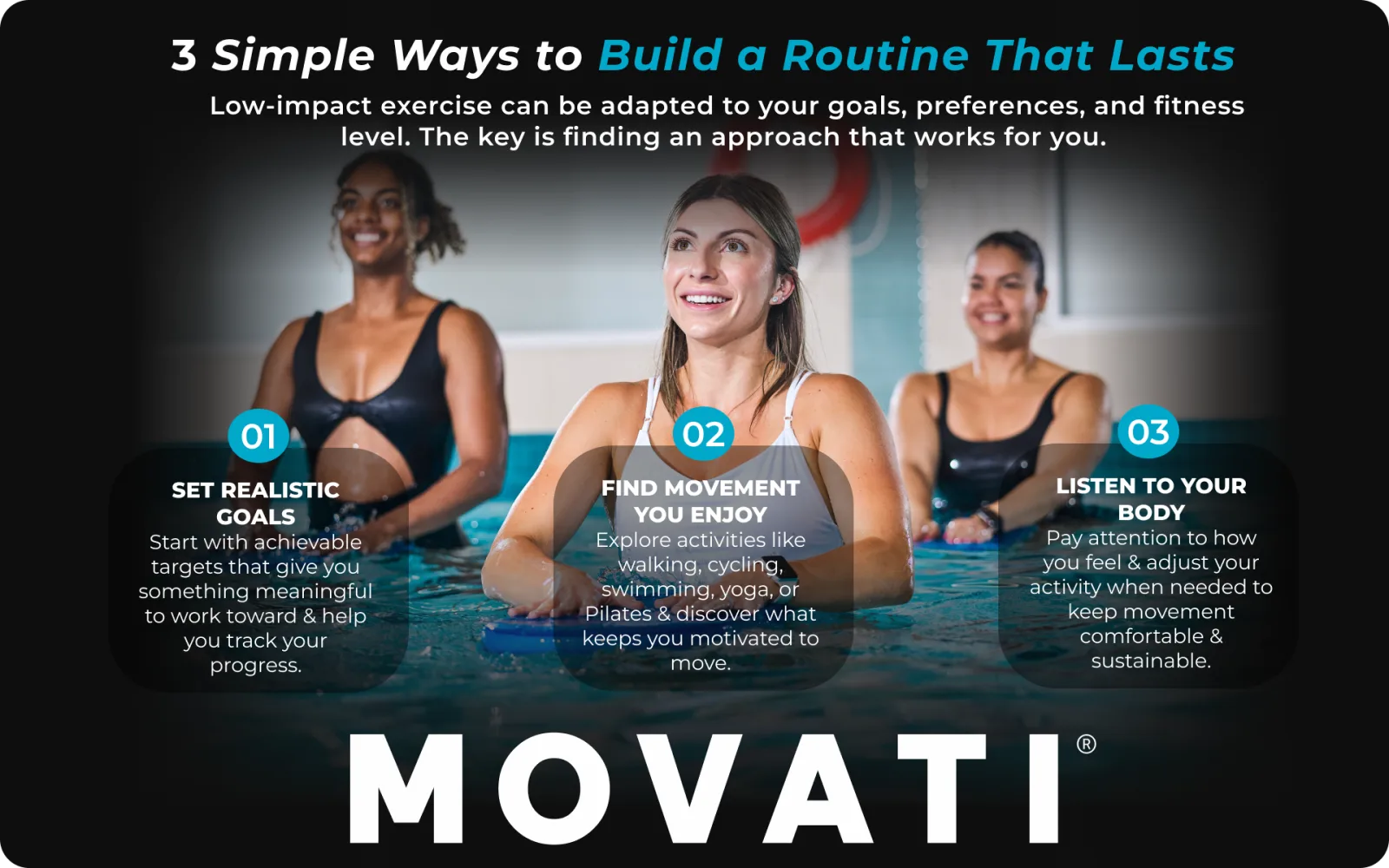
Integrating mild intensity workouts into your fitness routine is a practical and sustainable way to improve your overall health and well-being. These activities can be adapted to suit different fitness levels, personal preferences, and daily schedules, making it easier to establish consistent exercise habits. Whether you’re new to physical activity or looking to maintain an active lifestyle, starting with manageable workouts can help build confidence and encourage long-term commitment.
Developing a successful fitness routine doesn’t require intense training sessions or complicated exercise programs. By setting realistic goals, choosing enjoyable activities, and paying attention to your body’s needs, you can create a balanced approach to fitness that supports your physical and mental health.
Set Realistic Goals
Setting clear and achievable fitness goals is an important first step toward developing a consistent exercise routine. Starting with manageable objectives, such as walking for 20 to 30 minutes several times a week or attending a weekly yoga class, can help establish healthy habits without feeling overwhelmed.
As your fitness improves, gradually increasing the duration, frequency, or intensity of your workouts can help maintain progress and motivation. Tracking your activities through a fitness journal, smartphone app, or wearable device can also provide valuable insight into your achievements. Celebrating small milestones along the way encourages consistency and helps make regular physical activity a lasting part of your lifestyle.
Find Activities You Enjoy
Choosing physical activities that you genuinely enjoy can make a significant difference in maintaining a regular fitness routine. When exercise feels enjoyable rather than like an obligation, you’re more likely to remain motivated and participate consistently.
Experimenting with different activities, such as swimming, cycling, walking, yoga, or Pilates, can help you discover which workouts best suit your interests and fitness goals. You may also find that combining several activities throughout the week keeps your routine interesting while engaging different muscle groups. Participating in group fitness classes or exercising with friends can provide additional motivation, social interaction, and accountability.
Listen to Your Body
Paying attention to how your body responds to physical activity is essential for maintaining a safe and effective fitness routine. Everyone has different physical abilities, limitations, and recovery needs, so it’s important to choose exercises that feel comfortable and appropriate for your current fitness level.
Mild muscle fatigue can be a normal part of exercise, but sharp pain, persistent discomfort, or unusual symptoms may indicate that an activity needs to be modified or stopped. Adjusting your pace, reducing resistance, or selecting an alternative movement can help prevent unnecessary strain. Incorporating rest days, proper hydration, and gentle stretching into your routine also supports recovery and overall physical well-being.
By respecting your body’s limits and making gradual improvements, you can develop a sustainable fitness routine that promotes strength, mobility, and long-term health.
Low impact exercise offers a balanced approach to fitness, providing numerous health benefits while minimizing stress on the body. Its versatility makes it an excellent choice for anyone looking to improve their physical health, whether young or old, beginner or seasoned athlete. By incorporating low impact workouts into your routine, you can enhance your overall well-being, maintain a healthy lifestyle, and enjoy the journey toward fitness.
*MOVATI’s trainers and/or consultants are not health care providers, and do not provide any medical diagnosis, treatment or advice, and any trainer and/or consultant tips are not intended to replace the advice of a health care professional.
