The liver is a vital organ that performs hundreds of functions that help keep the body working properly. Among its many roles, the liver helps process nutrients, remove toxins and waste products from the blood, produce proteins, regulate energy storage, and create bile needed for digestion. Because the liver is involved in so many important processes, maintaining good liver health can contribute to overall health and well-being. Diet is one factor that can influence liver health, and regularly choosing nutritious, liver-healthy foods can help provide the nutrients the body needs to support normal liver function.
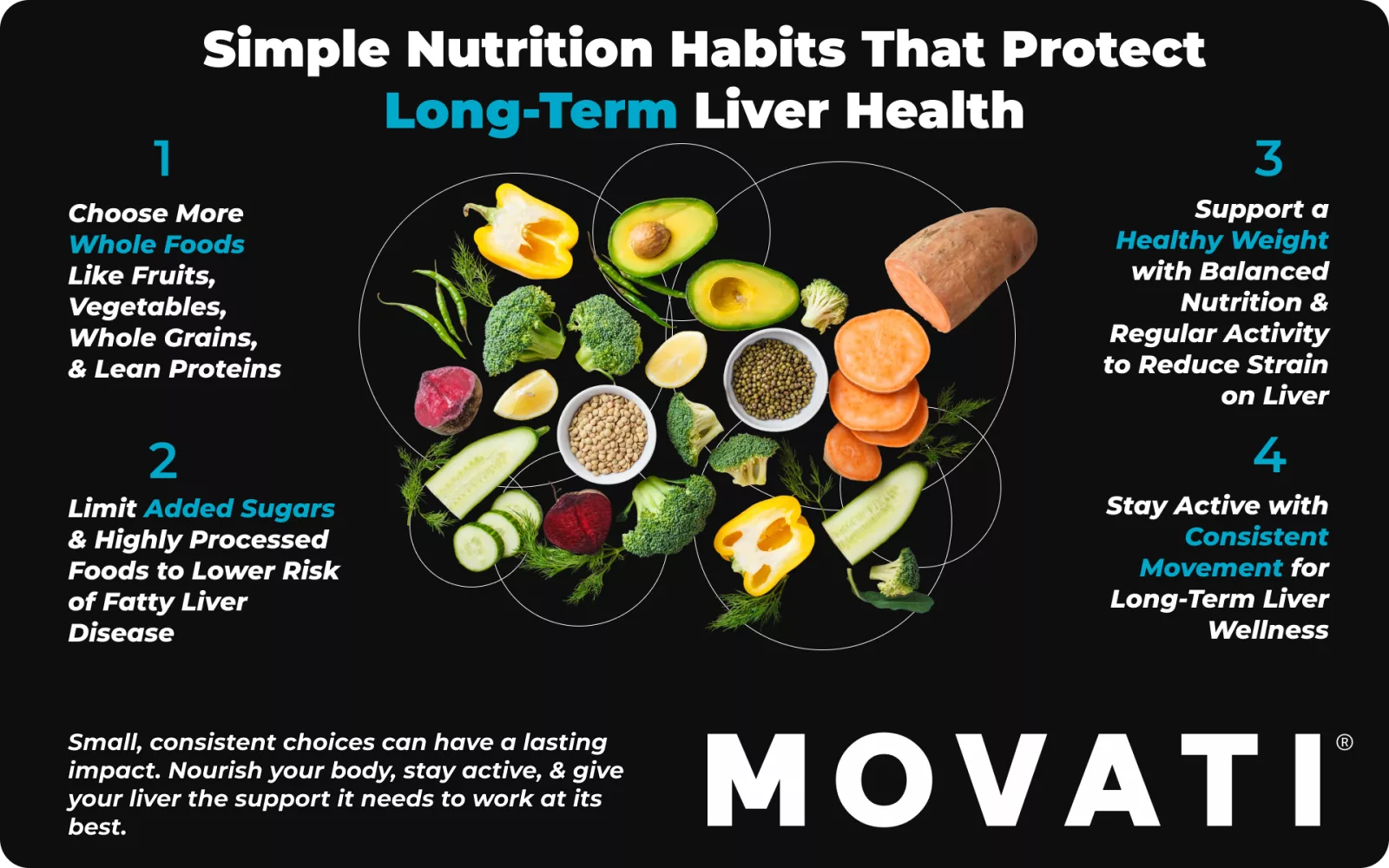
A liver-friendly diet generally focuses on whole, nutrient-rich foods such as fruits, vegetables, whole grains, lean proteins, and sources of healthy fats. It can also involve limiting highly processed foods, excessive added sugars, saturated fats, and other foods that may make it more difficult to maintain a healthy weight and balanced diet. Rather than relying on specific foods or restrictive “detox” diets, supporting liver health is typically about developing sustainable eating habits and maintaining a balanced lifestyle. In this article, we’ll explore what makes a diet liver-friendly, the types of foods that can support liver health, and the benefits of incorporating them into your everyday meals.
The Role of the Liver in the Body
The liver is a powerhouse organ, playing a central role in processing nutrients from food, producing bile to aid in digestion, and removing toxins from the bloodstream. It also helps regulate blood sugar levels and stores essential vitamins and minerals. Given its multifaceted responsibilities, maintaining liver health is imperative for the efficient functioning of the entire body.
Healthy Eating Supports Liver Health
Your liver performs hundreds of essential functions, from filtering toxins to processing nutrients and regulating metabolism. Eating a balanced, nutrient-rich diet is one of the best ways to protect your liver and reduce your risk of chronic liver disease.
Key findings:
- An estimated 25% of Canadians, or approximately 8.5 million people, are living with obesity, making it a major public health concern.
- According to the Canadian Liver Foundation, fatty liver disease linked to obesity is the most common form of liver disease in Canada.
- A healthy eating pattern that emphasizes:
- Fruits and vegetables
- Whole grains
- Lean proteins
- Healthy fats
- Limited added sugars and highly processed foods
can help support a healthy weight and reduce the risk of developing fatty liver disease.
- Combining nutritious eating with regular physical activity is one of the most effective ways to support long-term liver health and overall metabolic wellness.
Reference:
Canadian Liver Foundation. Liver Disease in Canada: A Crisis in the Making. Available at: https://liver.ca/wp-content/uploads/2017/09/CLF_LiverDiseaseInCanada_Synopsis_E.pdf
What Are Healthy Foods for the Liver?
Liver healthy foods are those that support the liver’s ability to detoxify and regenerate. These foods are typically rich in antioxidants, fiber, and essential vitamins. They help reduce inflammation and prevent liver damage by facilitating the breakdown of fats, filtering toxins, and promoting the elimination of waste.
1. Cruciferous Vegetables
Vegetables like broccoli, Brussels sprouts, and kale are high in fiber and antioxidants, which help increase the liver’s natural detoxification enzymes. These foods are also known to reduce the risk of liver damage by lowering inflammation.
2. Fatty Fish
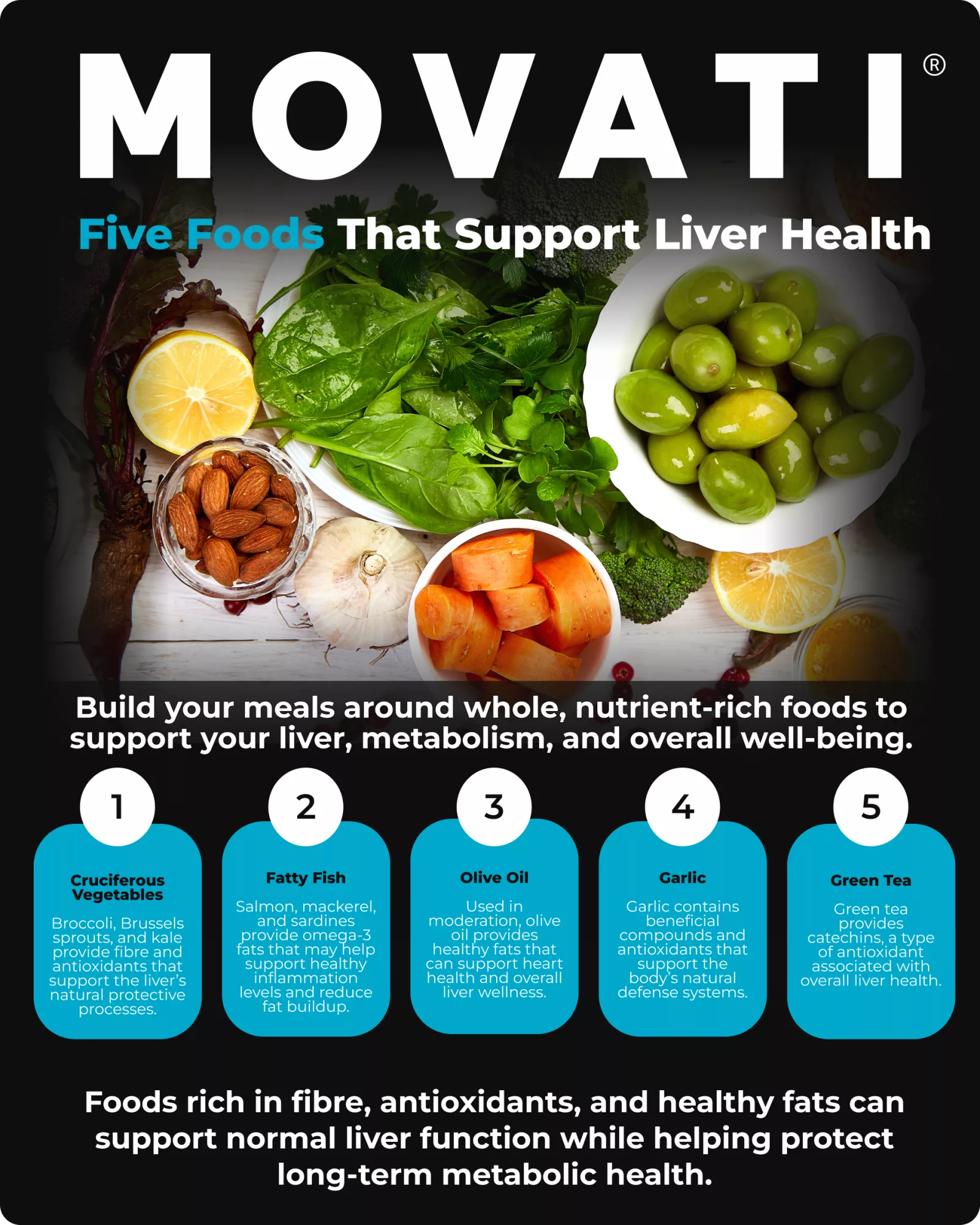
Rich in omega-3 fatty acids, fatty fish such as salmon, mackerel, and sardines can help reduce liver inflammation and fat accumulation. These healthy fats also play a role in maintaining heart health, which is crucial for overall wellness.
3. Olive Oil
Olive oil is known for its anti-inflammatory properties and is an excellent source of healthy fats. Consuming olive oil in moderation can help improve liver enzyme levels and reduce fat accumulation in the liver.
4. Garlic
Garlic contains selenium, a mineral that boosts antioxidant action and detoxifies the liver. It also activates liver enzymes that help the body flush out toxins, promoting a healthier liver.
5. Green Tea
Green tea is rich in antioxidants, particularly catechins, which are known to support liver health. Regular consumption of green tea can help protect the liver from disease and reduce the risk of liver cancer.
Why Liver Healthy Foods Matter
Incorporating liver healthy foods into your diet can have numerous benefits. They aid in the detoxification process, support metabolism, and help maintain a healthy weight. A balanced diet rich in these foods can reduce the risk of liver diseases such as fatty liver, hepatitis, and liver cancer.
Moreover, these foods contribute to overall health by improving digestion, boosting energy levels, and enhancing immune function. A healthy liver can better regulate blood sugar levels, reducing the risk of type 2 diabetes and other metabolic disorders.
How to Incorporate Healthy Foods for Your Liver into Your Diet
Integrating liver-friendly foods into your daily routine can be simple and delicious. Start by adding more vegetables to your meals, choosing lean protein sources, and using healthy fats for cooking. Consider starting your day with a green tea or adding a garlic-based dressing to your salads. Experiment with different recipes to find enjoyable ways to include these foods in your diet.
Conclusion
Maintaining liver health is essential for overall well-being, and one of the most effective ways to do so is through a diet rich in liver healthy foods. These foods not only support liver function but also enhance general health by providing vital nutrients and antioxidants. By understanding the importance of these foods and incorporating them into your diet, you can take proactive steps toward a healthier liver and a healthier life.
