Recovery training is one of the most overlooked aspects of a successful fitness routine. While many people focus on lifting heavier weights, running faster, or exercising more often, the body actually becomes stronger during periods of rest and recovery. Incorporating practices like yoga, stretching, and mindful movement can help your body repair, improve mobility, reduce soreness, and support long-term performance.
Whether you’re new to exercise or an experienced athlete, prioritizing recovery can help you move better, feel better, and stay active for years to come.
Why Is Recovery Important?
Every workout places stress on your muscles, joints, and nervous system. That stress is necessary for progress, but your body needs time to repair itself afterward.
Without adequate recovery, you may experience:
Persistent muscle soreness
Fatigue
Reduced athletic performance
Increased risk of injury
Mental burnout
Decreased motivation to exercise
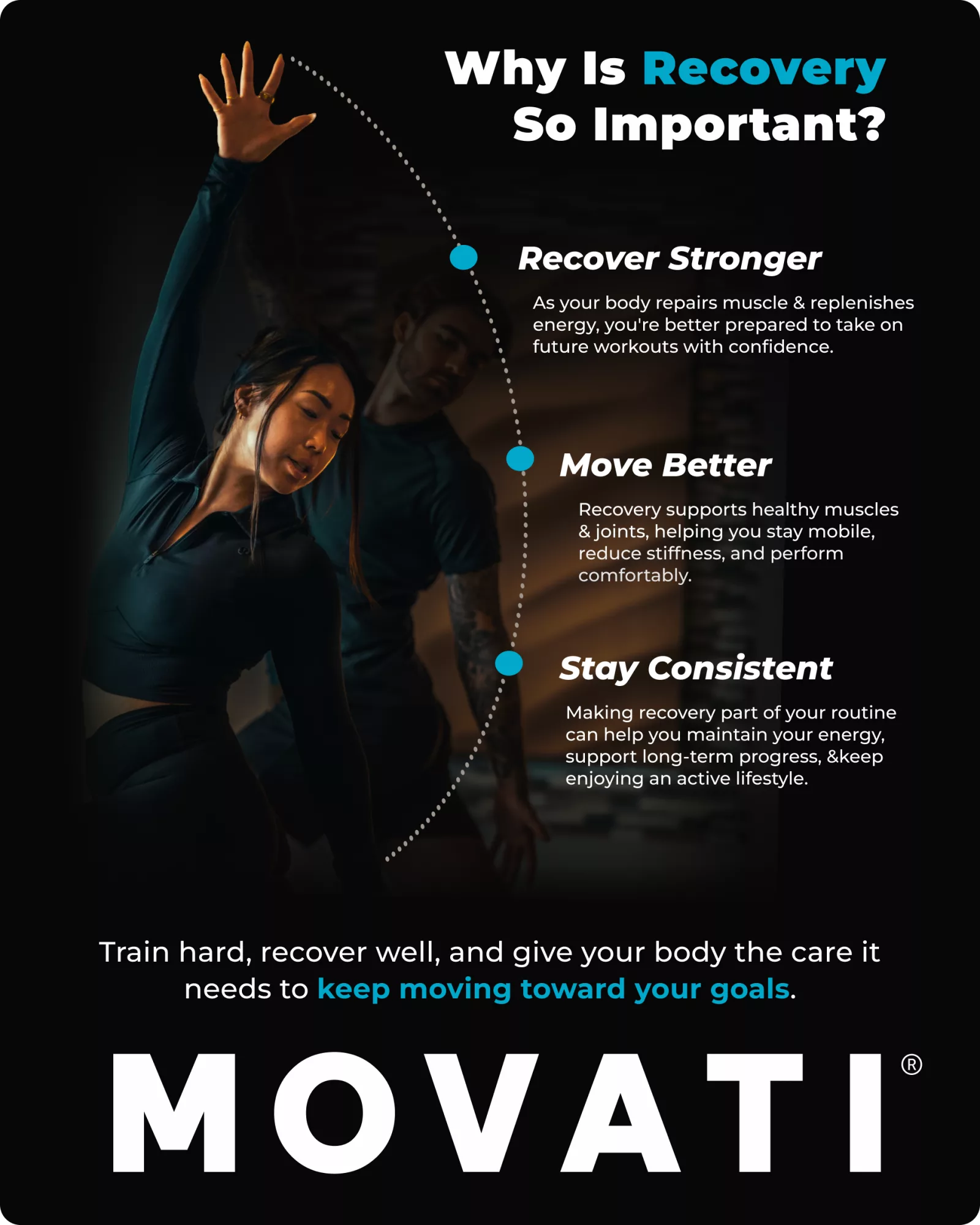
Giving your body time to recover allows muscles to rebuild, energy stores to replenish, and connective tissues to repair, helping you perform better during future workouts.
How Does Yoga Support Recovery?
Yoga offers a gentle way to improve mobility while encouraging both physical and mental relaxation.
Many yoga poses help lengthen tight muscles, improve flexibility, and increase circulation throughout the body. Better blood flow delivers oxygen and nutrients to recovering muscles, supporting the natural healing process.
Beyond its physical benefits, yoga encourages deep breathing and mindfulness. Slowing your breathing activates the body’s relaxation response, helping reduce stress and promote mental recovery after demanding workouts or busy days.
Regular yoga practice may also improve balance, posture, coordination, and overall movement quality.
Can Stretching Help Reduce Muscle Soreness?
Stretching is an effective way to maintain flexibility and support healthy movement.
While stretching alone won’t completely eliminate post-workout soreness, it can help reduce muscle tightness and improve range of motion, making everyday movement feel more comfortable.
There are two common types of stretching:
Dynamic stretching involves controlled movements that prepare your muscles and joints for activity. It’s often used during warm-ups before exercise.
Static stretching involves holding a stretch for several seconds after activity. This helps relax muscles, improve flexibility, and restore normal movement following exercise.
Both forms have a place in a well-rounded fitness routine and can complement one another depending on your goals.
What Is Mindful Movement?
Mindful movement is the practice of paying close attention to how your body feels while you’re moving.
Instead of rushing through exercises, mindful movement encourages you to focus on your breathing, posture, alignment, and muscle engagement. This greater awareness helps you recognize areas of tightness, fatigue, or discomfort before they become larger problems.
Mindful movement isn’t limited to yoga classes. It can be practiced during walking, strength training, stretching, Pilates, or even everyday activities like climbing stairs or lifting groceries.
Over time, becoming more aware of how your body moves can improve coordination, posture, and overall movement efficiency.
What Are the Benefits of Prioritizing Recovery?
Making recovery part of your regular routine offers benefits that extend well beyond reducing soreness.
Consistent recovery practices can help:
Improve flexibility and mobility
Reduce the likelihood of injuries
Support healthy joints
Improve posture
Enhance workout performance
Promote better sleep
Reduce stress levels
Increase overall energy
Help maintain long-term consistency with exercise
Many people are surprised to discover that taking time to recover actually allows them to train more effectively rather than slowing their progress.
How Can You Add Recovery to Your Weekly Routine?
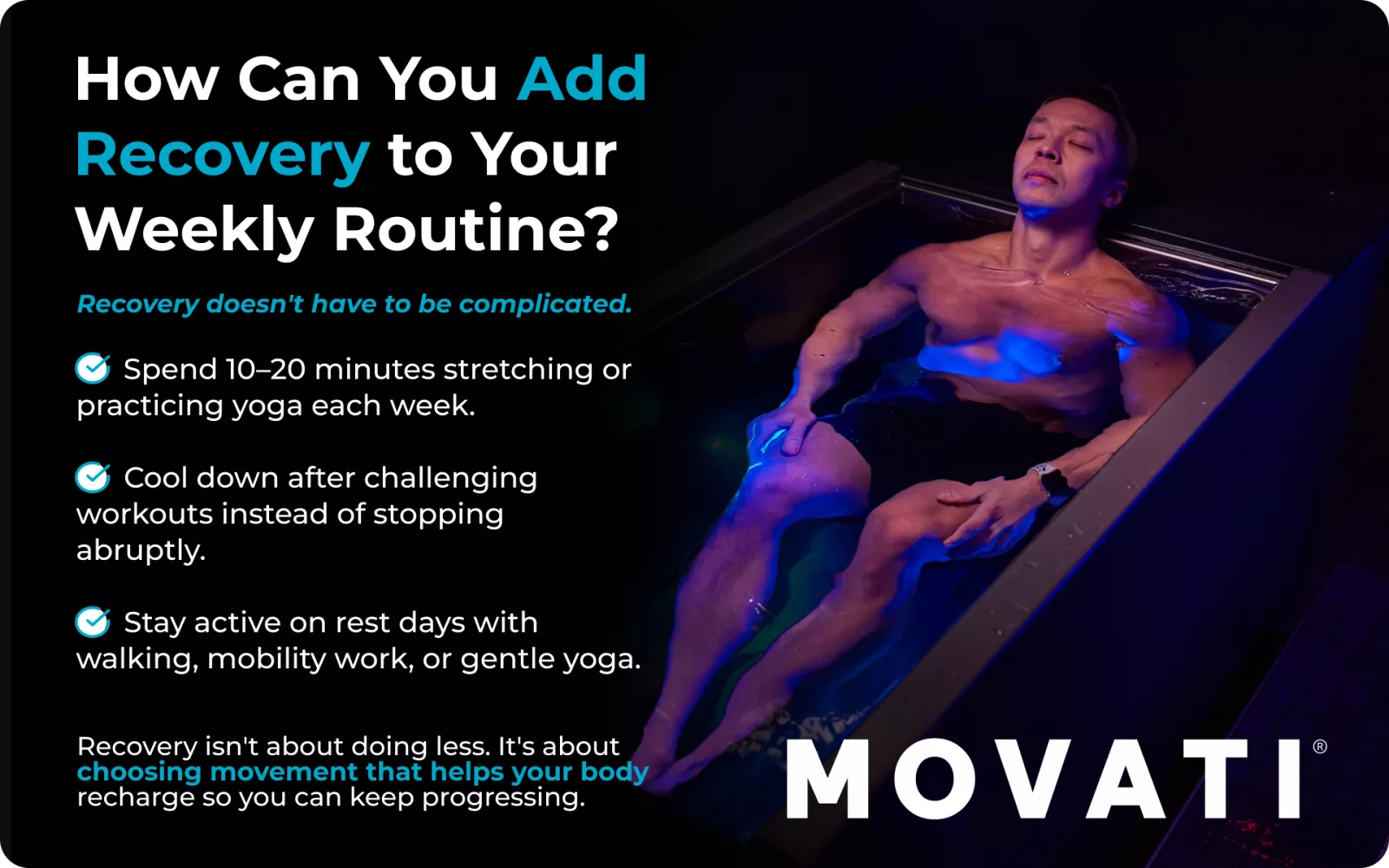
Recovery doesn’t require hours of extra work each week. Small habits practiced consistently often produce the greatest benefits.
Consider setting aside 10 to 20 minutes several times a week for gentle stretching or yoga. After more demanding workouts, spend a few extra minutes cooling down instead of stopping abruptly.
On rest days, light activities such as walking, mobility exercises, or gentle yoga can keep your body moving without placing additional stress on your muscles.
The goal isn’t to stop moving. It’s to choose movement that helps your body recover instead of adding more physical strain.
Is Recovery Important for Beginners?
Absolutely.
Many beginners believe they need to exercise every day to see results, but rest is a vital part of improving fitness.
Allowing your body to recover between workouts helps muscles adapt, reduces excessive soreness, and lowers the risk of overuse injuries. It also makes it easier to stay consistent because your workouts feel more enjoyable instead of exhausting.
Building healthy recovery habits early creates a strong foundation for long-term success.
My Experience Prioritizing Recovery
One of the biggest changes I’ve made to my own fitness routine was treating recovery as part of the workout instead of something optional. I used to finish exercising and head straight home without taking time to stretch or cool down. After consistently adding just 10 to 15 minutes of stretching and mobility work after my workouts, I noticed that I felt less stiff the following day and was able to return to training feeling more refreshed. It also made everyday activities feel easier, especially after longer or more intense workouts. That experience reinforced that progress isn’t only made during exercise—it’s also made during the time your body has to recover.
People Often Wonder
Is yoga better than stretching?
Both have benefits. Stretching primarily improves flexibility, while yoga combines stretching with strength, balance, breathing, and mindfulness for a more comprehensive approach.
How often should I stretch?
Most people benefit from stretching several times each week, especially after exercise. Consistency is more important than the length of each session.
Can recovery improve athletic performance?
Yes. Proper recovery helps muscles repair, reduces fatigue, and prepares your body for future training sessions, allowing you to perform at a higher level over time.
Do rest days make you lose progress?
No. Rest days are essential for allowing your body to recover and adapt. In fact, skipping recovery too often can slow progress by increasing fatigue and the risk of injury.
The Bottom Line
A well-rounded fitness routine isn’t just about working harder—it’s about giving your body the opportunity to recover and adapt. By incorporating yoga, stretching, mindful movement, and regular rest into your weekly schedule, you can improve flexibility, reduce stress, lower your risk of injury, and support better long-term performance. Making recovery training a consistent part of your routine is one of the smartest investments you can make in your overall health and fitness.
