
Developing a low calorie meal plan is an effective strategy for those looking to lose weight or maintain a healthy lifestyle. A well-structured plan can help you manage calorie intake without sacrificing essential nutrients. This guide will explore the essential components that should be included in such a meal plan, focusing on balanced nutrition, portion control, and variety..
Understanding Caloric Needs
Before starting a meal plan, it’s important to understand how many calories your body needs each day. Your ideal calorie intake depends on factors such as your age, sex, height, weight, and activity level. Rather than choosing an arbitrary calorie target, use a reputable calorie calculator to estimate your daily energy needs and create a realistic calorie deficit if weight loss is your goal.
According to the American Cancer Society, reducing your daily calorie intake by approximately 500 calories per day through diet, exercise, or a combination of both can help support a gradual, sustainable weight loss of 1 to 2 pounds per week. Using a calorie calculator can provide a personalized starting point, making it easier to build a low calorie meal plan that meets your nutritional needs while supporting your health goals.
Incorporating Nutrient-Dense Foods
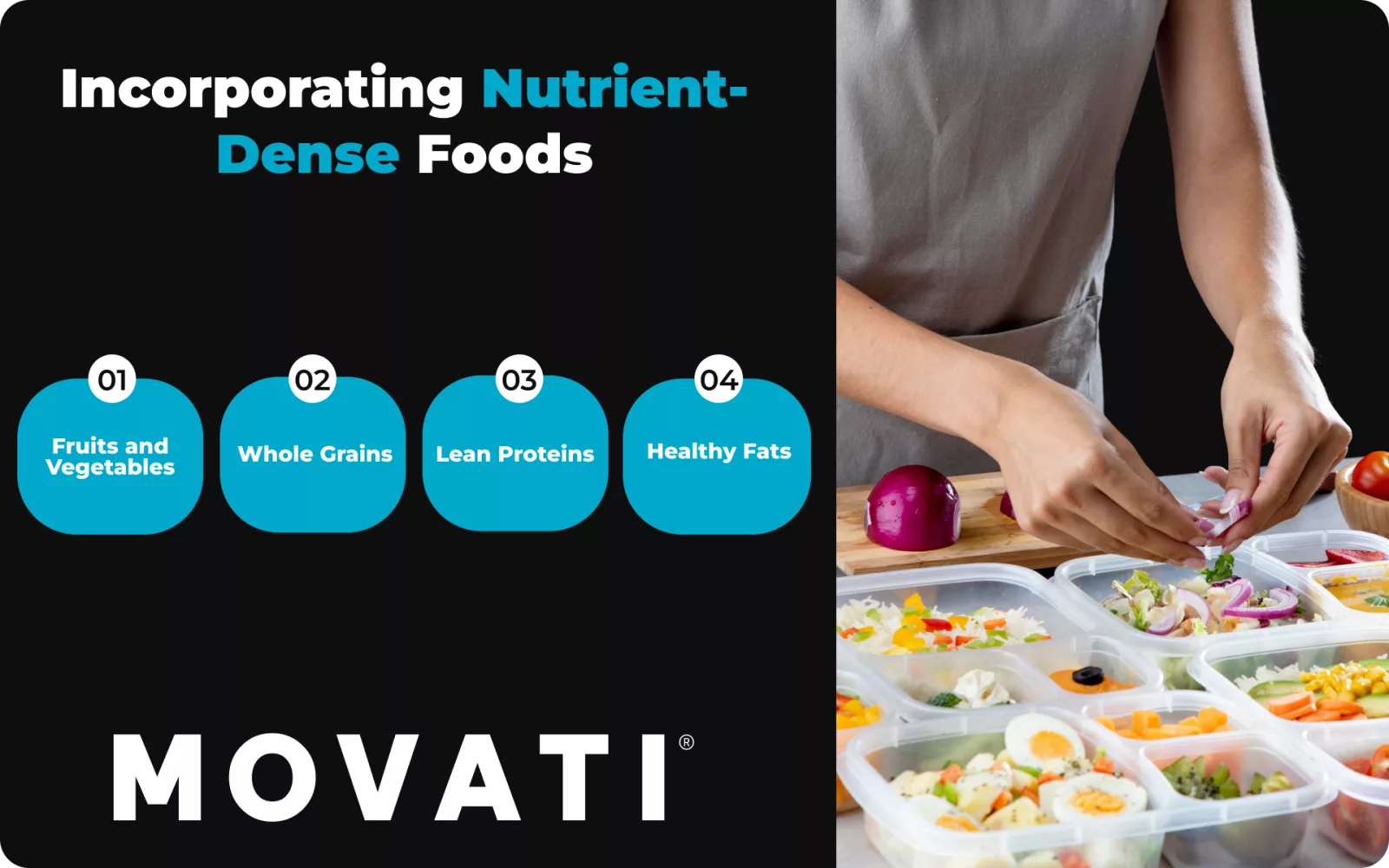
When reducing calories, it’s vital to focus on nutrient-dense foods that provide the necessary vitamins and minerals without excessive calories. These foods include:
- Fruits and Vegetables: Rich in vitamins, minerals, and fiber, they are low in calories and can help keep you full.
- Whole Grains: Foods like quinoa, brown rice, and oats are excellent sources of fiber and essential nutrients.
- Lean Proteins: Opt for chicken, turkey, tofu, and legumes to maintain muscle mass while reducing calorie intake.
- Healthy Fats: Include sources like avocados, nuts, and olive oil in moderation to support overall health.
Importance of Portion Control
A low calorie meal plan isn’t just about choosing healthy foods. It is also about eating the right amounts. Even nutrient-dense foods like nuts, avocados, olive oil, and whole grains contain calories that can add up quickly if portions are too large. Learning appropriate serving sizes allows you to enjoy a wide variety of foods without exceeding your daily calorie goals.
Simple habits can make portion control easier:
Use smaller plates and bowls to naturally reduce serving sizes.
Measure foods occasionally to better understand recommended portions.
Read nutrition labels to become familiar with serving sizes.
Eat slowly and give your body time to recognize fullness.
Avoid eating directly from large packages, which often leads to mindless overeating.
Remember that portion control is not about restriction. It is about creating balance so you can enjoy satisfying meals while supporting your long-term health goals.
Meal Timing and Frequency
There is no single “best” meal schedule that works for everyone. Some people feel energized by eating three balanced meals each day, while others prefer four to six smaller meals and snacks. The most effective approach is the one that fits your lifestyle and helps you consistently stay within your calorie target.
Spacing meals throughout the day can help:
Maintain steady energy levels.
Reduce intense hunger that may lead to overeating.
Support consistent blood sugar levels.
Make it easier to choose nutritious foods rather than high-calorie convenience options.
Listening to your body’s hunger and fullness cues is just as important as following a schedule.
Planning and Preparation
Planning ahead is one of the most effective ways to stick with a low calorie meal plan. Without a plan, it’s much easier to reach for fast food or processed snacks when you’re short on time.
A successful weekly meal plan often includes:
Planning dinners before grocery shopping.
Preparing proteins, vegetables, and whole grains in advance.
Keeping healthy snacks readily available.
Packing lunches for work or school.
Freezing extra portions for busy days.
Meal prep doesn’t have to mean cooking an entire week’s worth of food in one day. Even washing vegetables, cooking a batch of rice, or grilling several chicken breasts ahead of time can save valuable time during the week.
Hydration and Low-Calorie Beverages
Hydration plays an important role in overall health and can even help with appetite management. Sometimes thirst is mistaken for hunger, leading people to snack when they actually need fluids.
Water should be your primary beverage throughout the day. Other low-calorie options include:
Sparkling water without added sugar.
Herbal tea.
Green tea.
Black coffee (without excessive sugar or cream).
Replacing sugary beverages such as soda, sweetened coffee drinks, energy drinks, and fruit juice with water can significantly reduce daily calorie intake without affecting how full you feel.
Monitoring Progress and Making Adjustments
A low calorie meal plan should evolve as your body and goals change. Monitoring your progress helps you determine whether your current calorie intake is appropriate and sustainable.
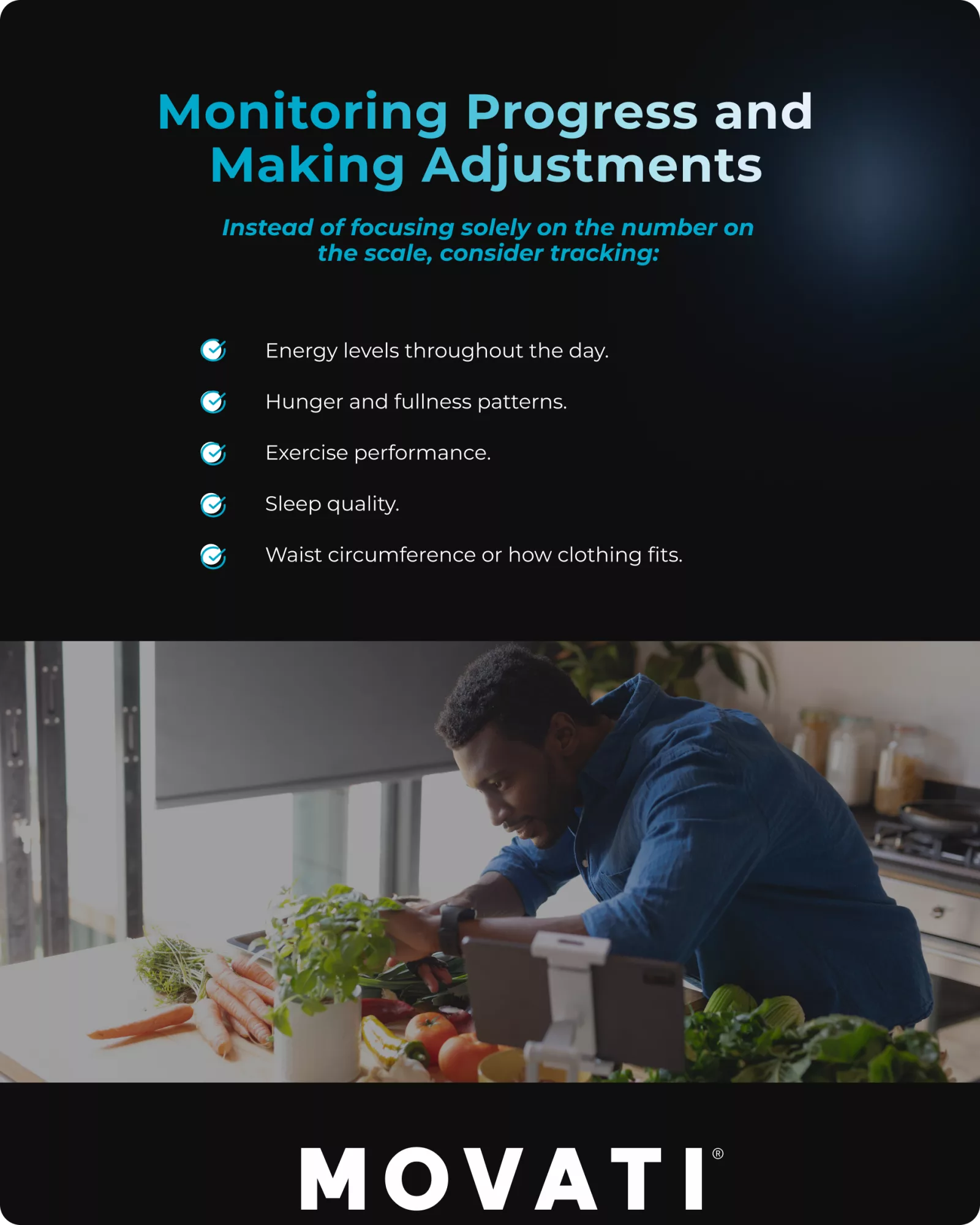
Instead of focusing solely on the number on the scale, consider tracking:
Energy levels throughout the day.
Hunger and fullness patterns.
Exercise performance.
Sleep quality.
Waist circumference or how clothing fits.
Overall consistency with healthy eating habits.
If progress slows, small adjustments are often more effective than drastic calorie cuts. Increasing physical activity, incorporating more protein and fiber, or slightly adjusting portion sizes can help you continue making progress while maintaining a healthy relationship with food.
Making Your Low Calorie Meal Plan Sustainable
The best low calorie meal plan is one you can maintain for months or even years, not just a few weeks. Rather than eliminating entire food groups or relying on restrictive diets, focus on creating balanced meals that you genuinely enjoy.
Allow room for occasional treats, social meals, and flexibility. A sustainable approach helps reduce feelings of deprivation and makes it easier to build lifelong healthy eating habits. By combining nutrient-dense foods, smart portion control, regular physical activity, and consistent meal planning, you can achieve your health goals while still enjoying the foods you love.
