In 2026, exercise trends are increasingly reflecting a dynamic blend of technology, personalized fitness experiences, and a comprehensive approach to health and well-being. Advances in wearable devices, artificial intelligence, and performance analytics are helping individuals better understand their bodies and make smarter decisions about training, recovery, and overall wellness. One of the most significant developments is the rapid growth of personalized fitness experiences powered by data, wearable technology, and artificial intelligence. These innovations are helping individuals better understand their health, optimize performance, and achieve their fitness goals through more informed decision-making.
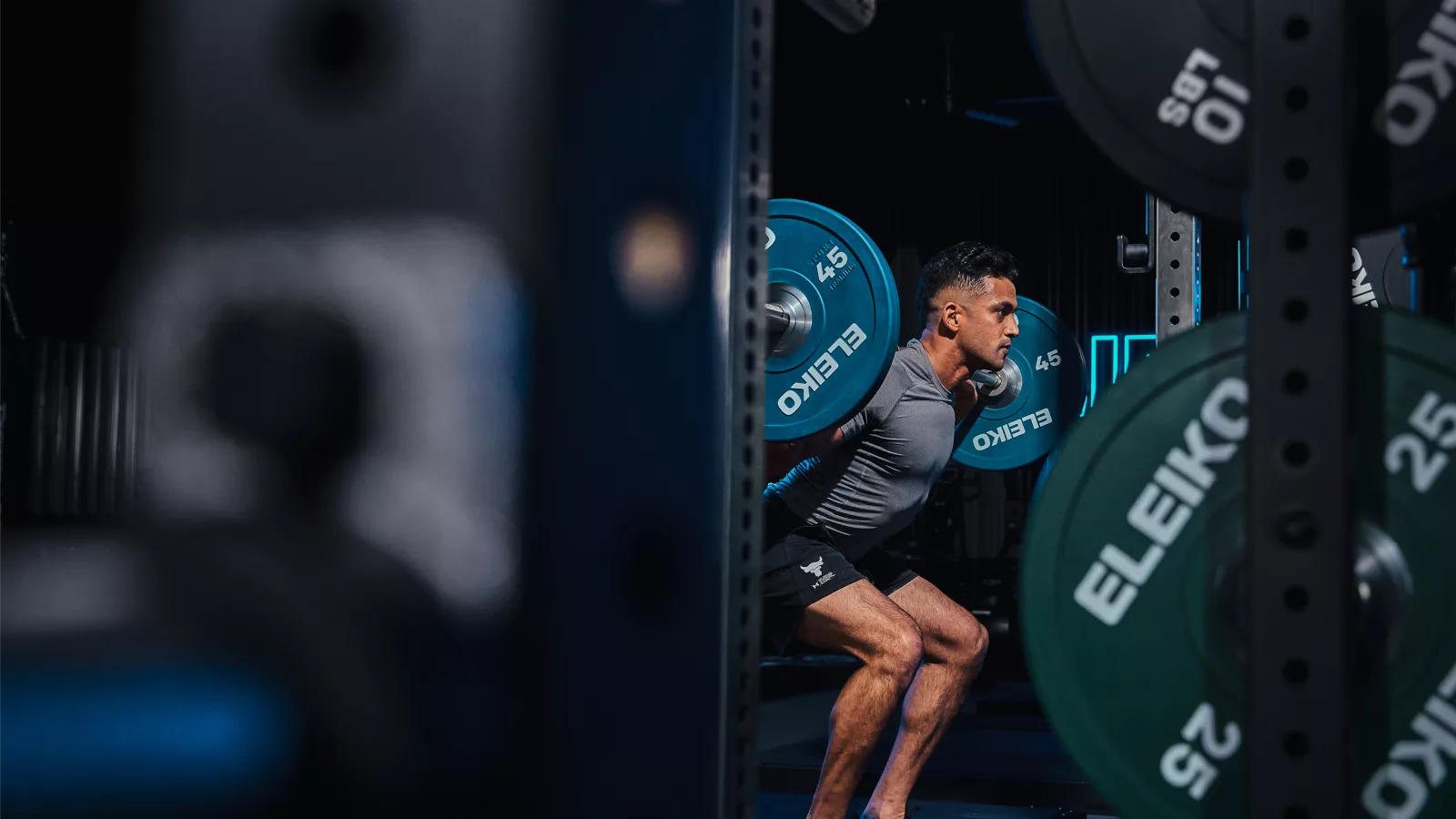
While innovative fitness technologies continue to gain popularity, traditional workout methods such as strength training classes remain a cornerstone of effective fitness programs, helping individuals build muscle, improve overall health, and achieve lasting results.
Moreover, the awareness of mental health has become a central element in the fitness industry. Exercise is increasingly recognized not just for its physical benefits but also for its positive impact on mental well-being. Practices that incorporate mindfulness, such as yoga and meditation, are becoming integral parts of fitness programs, helping individuals manage stress and enhance their overall quality of life.
Understanding these emerging trends is crucial for anyone looking to improve their personal fitness or develop a successful business strategy within the industry. As we embrace these changes, the potential for innovation and growth in the fitness sector is immense, promising a future where staying active is not only more accessible but also more enjoyable and beneficial for both body and mind.
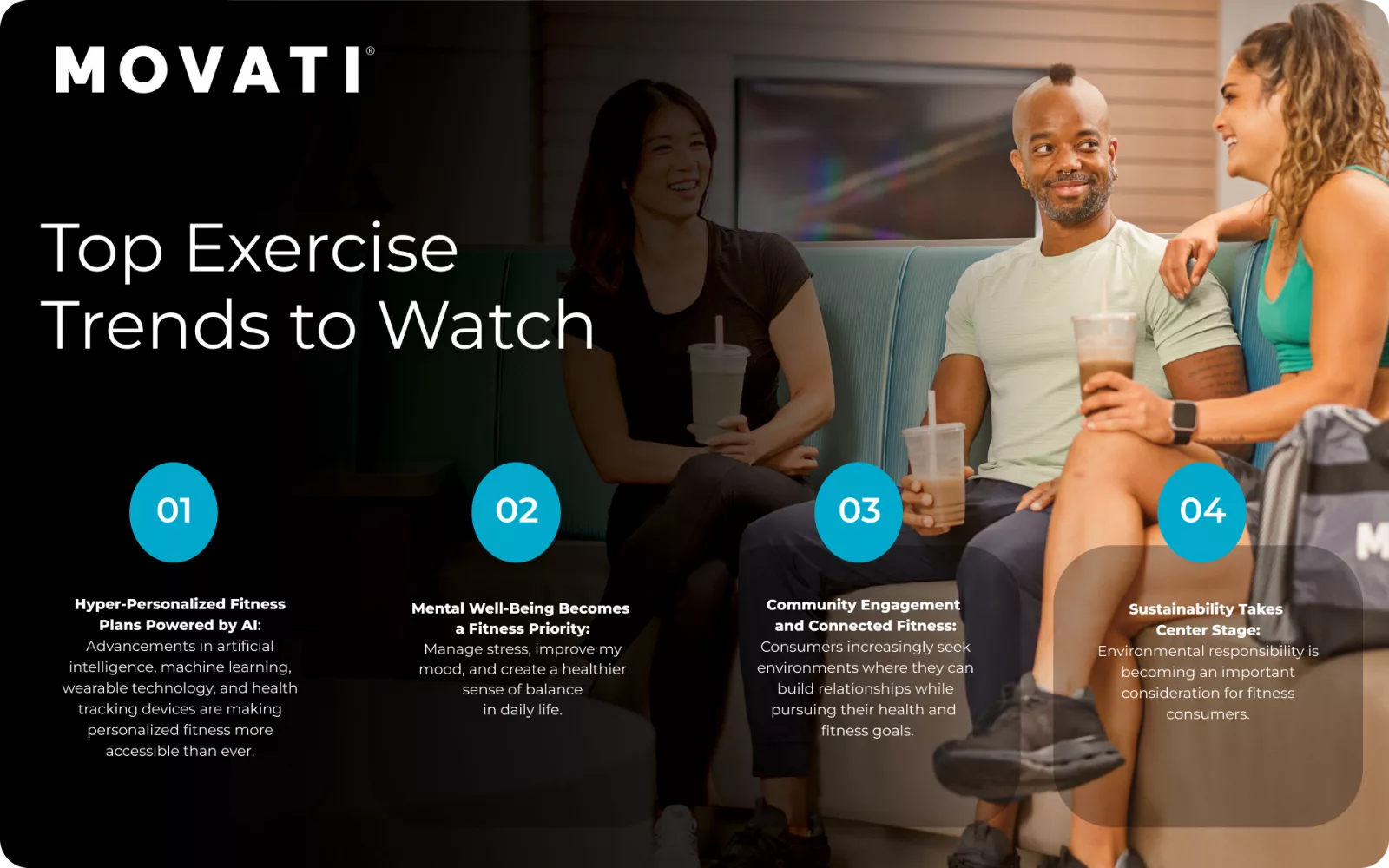
1. Hyper-Personalized Fitness Plans Powered by AI
The era of one-size-fits-all fitness programs is rapidly coming to an end. Modern consumers increasingly expect exercise plans that are tailored specifically to their needs, preferences, and goals.
Advancements in artificial intelligence, machine learning, wearable technology, and health tracking devices are making personalized fitness more accessible than ever. Fitness apps and smart devices can now collect and analyze data such as:
Heart rate variability
Sleep quality
Recovery status
Activity levels
Stress indicators
Body composition metrics
Training history
Using this information, AI-powered platforms can create customized workout programs, adjust training intensity in real time, and provide actionable recommendations to optimize performance and recovery.
Benefits of Personalized Fitness
Improved workout efficiency
Better results through targeted programming
Reduced injury risk
Enhanced motivation and accountability
Long-term sustainability
As technology becomes more sophisticated, personalized fitness plans will continue to evolve into highly adaptive systems that respond dynamically to each individual’s changing needs.
2. Mental Well-Being Becomes a Fitness Priority
Fitness is no longer only about building strength, improving appearance, or increasing athletic performance. As I have become more consistent with exercise, I have realized how closely physical activity is connected to mental well-being. For me, fitness has become an important way to manage stress, improve my mood, and create a healthier sense of balance in daily life.
Fitness for the Mind and Body
In 2026, mental wellness is becoming a major priority in the fitness industry. Exercise is now recognized as a powerful tool for supporting emotional and psychological health. A good fitness routine can help reduce stress and anxiety, improve sleep quality, increase focus, and build mental resilience.
The Benefits of Mindful Movement
Activities such as yoga, meditation, breathwork, and mobility training have personally helped me slow down and become more aware of how my body feels. Yoga and mobility training help release tension, improve flexibility, and create a sense of calm. Meditation and breathwork have helped me feel more grounded, especially during busy or stressful moments.
A More Balanced Approach to Wellness
What I appreciate most about this shift is that fitness now feels more complete. It is not just about pushing harder in every workout. It is also about recovery, stress management, and long-term well-being.
By combining traditional exercise with mindfulness practices, fitness programs are helping people build healthier routines that support both the body and the mind. This holistic approach makes wellness more sustainable and encourages lasting progress rather than short-term results.
3. Community Engagement and Connected Fitness
Despite advances in technology, the human element remains one of the most powerful motivators in fitness. Group workouts continue to thrive because they provide social connection, accountability, encouragement, and shared experiences.
Many fitness facilities are investing in stronger community-building initiatives through group fitness classes, fitness challenges, wellness events, and member engagement programs. Consumers increasingly seek environments where they can build relationships while pursuing their health and fitness goals.
Benefits of Community-Based Fitness
- Greater accountability
- Increased motivation
- Stronger social connections
- Improved long-term adherence
- A more enjoyable fitness experience
Whether participating in a strength training class, yoga session, cycling class, or small-group training program, many individuals find that community support plays a critical role in maintaining consistency and achieving results.
Community-driven fitness experiences are expected to remain a major force in the industry for years to come.
4. Sustainability Takes Center Stage
Environmental responsibility is becoming an important consideration for fitness consumers. As awareness of climate change and sustainability grows, people are actively seeking brands, products, and facilities that align with their values.
Fitness companies are responding by implementing eco-friendly initiatives across multiple areas of their operations.
Sustainable Fitness Trends
Apparel made from recycled materials
Eco-conscious manufacturing processes
Energy-efficient gym equipment
Renewable energy-powered fitness facilities
Sustainable packaging solutions
Reduced waste and water consumption
Some innovative gyms are even generating electricity from exercise equipment, allowing members to contribute to energy production while working out.
Consumers increasingly reward businesses that demonstrate genuine commitments to environmental stewardship, making sustainability both an ethical priority and a competitive advantage.
5. Wearable Technology Continues to Expand
Wearable devices remain a driving force behind many of the fitness trends shaping 2026. Smartwatches, fitness trackers, biometric sensors, and health-monitoring devices provide users with unprecedented insight into their physical performance and overall health.
Modern wearables can monitor:
Heart rate
Blood oxygen levels
Sleep cycles
Recovery metrics
Calorie expenditure
Stress levels
Training readiness
The integration of wearable technology with AI-driven fitness platforms enables users to receive real-time feedback and make informed decisions about training intensity, recovery, and lifestyle habits.
According to a survey conducted by Garmin, 79% of Garmin users worldwide sleep more than 7 hours, highlighting a positive trend towards adequate rest among its user base.
As sensor accuracy improves and devices become more sophisticated, wearables will play an increasingly central role in personalized fitness experiences.
Conclusion
As I look ahead to 2026, it is clear that fitness is becoming more personalized, connected, and focused on overall well-being. Advances in wearable technology, artificial intelligence, and data analytics are helping individuals better understand their bodies and make more informed decisions about training, recovery, and long-term health.
What stands out most to me is that fitness is no longer just about physical performance. Mental wellness, recovery, and community have become equally important parts of a successful fitness journey. Whether through personalized training programs, group fitness classes, or wearable devices that provide real-time insights, people now have more tools than ever to support their goals.
I have also seen how important community can be in maintaining motivation and consistency. While technology continues to enhance the fitness experience, the support, accountability, and connections built through shared fitness experiences remain invaluable.
By staying informed about these emerging trends, individuals can make smarter choices about their health and fitness, while fitness organizations can continue creating experiences that meet the evolving needs of their members. The future of fitness is not simply about working harder. It is about training smarter, recovering better, and building sustainable habits that support lifelong wellness.
