


In today’s fast-paced world, achieving balanced wellness requires a holistic approach that extends far beyond traditional fitness routines. While physical exercise is undeniably important, true wellness encompasses mental, emotional, and spiritual health as well. Understanding how to cultivate a comprehensive wellness routine is essential for overall well-being. This guide explores various methods to integrate into your daily life, ensuring a harmonious balance that nurtures both body and mind.
Understanding Balanced Wellness
Integrating wellness into daily life is the concept of achieving harmony across all facets of health, including physical, mental, emotional, and spiritual elements. It involves more than just hitting the gym or following a strict diet—it requires a lifestyle that supports sustainable health practices. By focusing on all aspects of wellness, individuals can experience improved energy levels, better mood regulation, and a greater sense of purpose in life.
Incorporating Mindfulness and Meditation
Mental and emotional health are critical components of balancing wellness. Incorporating mindfulness and meditation into your daily routine can significantly enhance these areas. Mindfulness involves being present and fully engaged in the current moment, which helps reduce stress and improve mental clarity. Meditation, on the other hand, provides a structured approach to achieving a calm and focused state of mind.
Benefits of Mindfulness and Meditation
Practicing mindfulness and meditation regularly can lead to a range of benefits, including:
- Reduced stress and anxiety levels
- Improved concentration and focus
- Enhanced emotional resilience
- Better sleep quality
Nurturing Emotional Health
Emotional health plays a pivotal role in achieving health harmony. It’s essential to address emotional needs and cultivate a supportive environment that encourages self-expression and emotional growth. This can be achieved through various practices such as journaling, therapy, and building strong social connections.
Strategies for Emotional Well-being
To foster emotional health, consider the following strategies:
- Engage in regular journaling to process emotions and reflect on experiences
- Seek therapy or counseling to explore and resolve emotional challenges
- Build a support network of friends and family who provide empathy and understanding
Exploring Spiritual Wellness
Spiritual wellness involves finding meaning and purpose in life, which can be achieved through various practices such as meditation, prayer, or spending time in nature. It is about connecting with something greater than oneself and nurturing a sense of inner peace.
Practices to Enhance Spiritual Wellness
Consider incorporating the following practices to enrich your spiritual wellness:
- Engage in regular meditation or prayer to cultivate a sense of connection and peace
- Spend time in nature to experience the tranquility and beauty of the natural world
- Explore philosophical or spiritual literature to expand your understanding of life’s purpose
Physical Activity Beyond the Gym
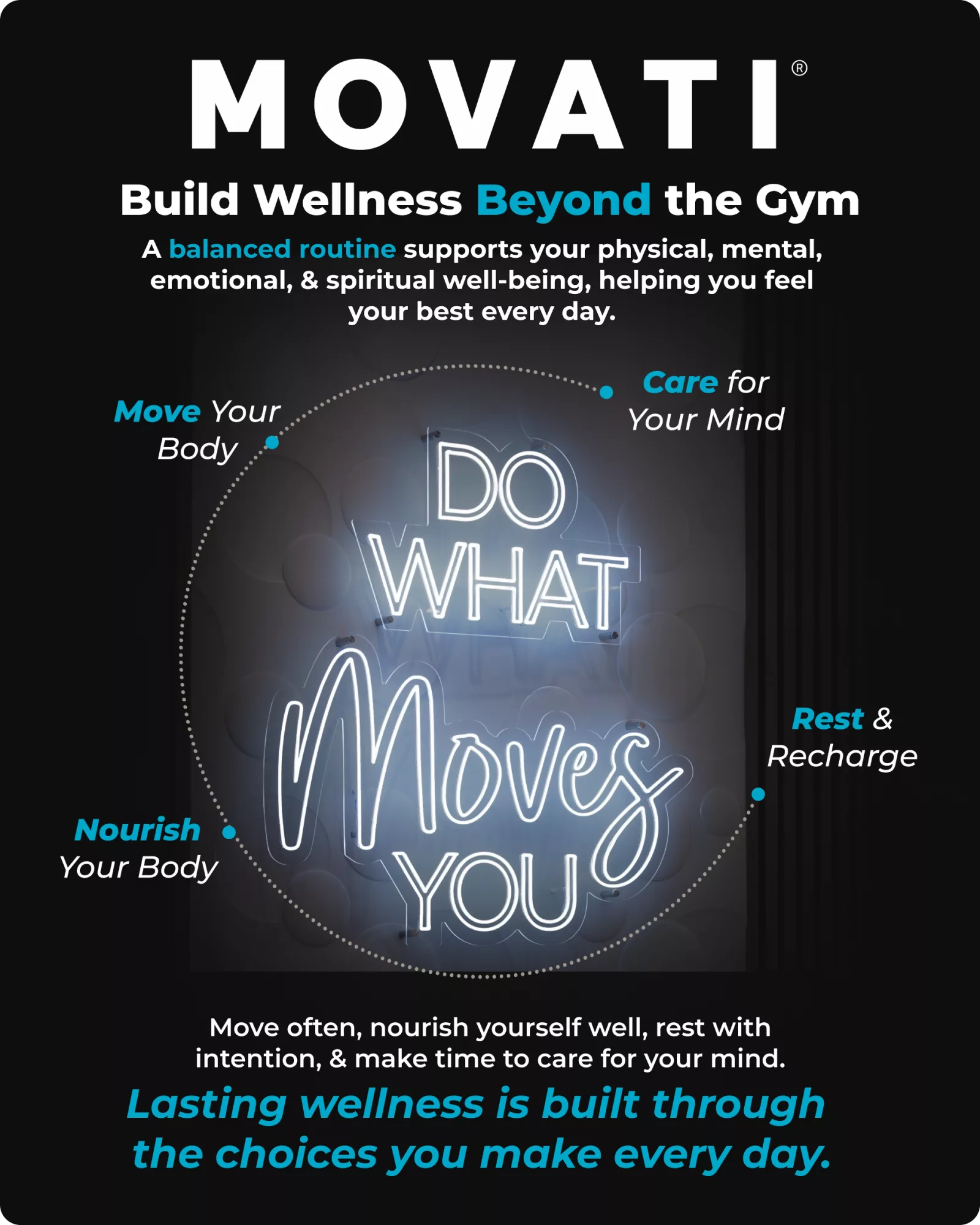
While exercise is a cornerstone of physical health, achieving health harmony requires looking beyond conventional gym workouts. Incorporating physical activities that you enjoy can lead to a more sustainable and fulfilling fitness routine. Activities such as yoga, dancing, hiking, or swimming offer excellent alternatives to traditional exercise while promoting overall well-being.
Choosing the Right Physical Activities
To ensure a balanced approach to fitness, consider activities that align with your interests and lifestyle:
- Yoga: Enhances flexibility, strength, and mental clarity
- Dancing: Provides a fun and engaging way to stay active
- Hiking: Combines physical activity with the benefits of being in nature
- Swimming: Offers a low-impact workout suitable for all fitness levels
Nutritional Balance for Optimal Wellness
A balanced diet is integral to achieving overall wellness. Emphasizing whole foods, such as fruits, vegetables, lean proteins, and whole grains, supports physical health and boosts energy levels. Avoiding processed foods and maintaining hydration are equally important for sustaining a healthy lifestyle.
Principles of a Balanced Diet
To ensure nutritional balance, adhere to the following principles:
- Prioritize whole, unprocessed foods to maximize nutrient intake
- Incorporate a variety of fruits and vegetables for a diverse range of vitamins and minerals
- Maintain proper hydration by drinking sufficient water throughout the day
- Limit sugar and refined carbohydrates to prevent energy crashes
The Role of Rest and Recovery
Rest and recovery are vital components of achieving health harmony, often overlooked in our busy lives. Adequate sleep and downtime are essential for physical recovery, mental clarity, and emotional stability. Prioritizing rest allows the body to repair and rejuvenate, ultimately supporting a healthier lifestyle.
Tips for Effective Rest and Recovery
To enhance rest and recovery, consider the following tips:
- Establish a consistent sleep schedule to regulate your body’s internal clock
- Create a relaxing bedtime routine to signal your body that it’s time to unwind
- Engage in restorative activities, such as gentle yoga or meditation, to promote relaxation

Conclusion
Building a balanced wellness routine beyond the gym involves a comprehensive approach that integrates physical, mental, emotional, and spiritual health. By embracing mindfulness, nurturing emotional and spiritual well-being, engaging in enjoyable physical activities, prioritizing nutrition, and allowing for adequate rest, you can cultivate a lifestyle that promotes long-term health and happiness. Remember, achieving health harmony is not a destination but a continuous journey that requires dedication and a holistic mindset.
