Stress is a common part of modern life, with responsibilities related to work, family, finances, and everyday commitments often competing for our time and attention. While some stress is a normal response to challenging situations, ongoing stress can affect both mental and physical well-being. Finding healthy ways to relax, slow down, and manage these pressures can therefore be an important part of maintaining a balanced lifestyle. Yoga for stress relief offers an accessible approach that combines physical movement with breathing and mindfulness techniques.
Yoga incorporates several practices that can encourage relaxation, including controlled breathing, meditation, stretching, and a variety of physical postures. These elements can help individuals become more aware of their breathing and body while providing an opportunity to temporarily shift attention away from everyday stressors. Yoga can also be adapted to different experience and fitness levels, making it suitable for many people looking to incorporate relaxation and gentle movement into their routines. In this article, we’ll explore how yoga can support stress management, techniques and poses commonly used for relaxation, and practical ways to make yoga part of a regular wellness routine.
The Science Behind Yoga and Stress Relief
Yoga, an ancient practice with roots in India, has gained immense popularity worldwide for its multifaceted health benefits. At its core, yoga involves a series of postures, breathing exercises, and meditative practices designed to enhance overall well-being. But how exactly does yoga help in reducing stress?
Studies have shown that yoga helps to lower cortisol levels, the hormone released in response to stress. By reducing cortisol, yoga directly impacts stress levels, promoting a calmer and more relaxed state. Additionally, yoga encourages mindfulness, allowing individuals to focus on the present and disengage from stress-inducing thoughts. This practice of mindfulness can lead to improved emotional regulation, greater self-awareness, and an enhanced ability to cope with stressors.
Yoga Is a Proven Tool for Managing Stress
Yoga combines movement, breathing, and mindfulness to help calm both the mind and body. Research shows that practicing yoga regularly can reduce stress hormones, improve emotional well-being, and support better mental health.
Key findings:
- Yoga helps reduce stress by lowering levels of the stress hormone cortisol while activating the body’s parasympathetic (“rest and digest”) nervous system, promoting relaxation and recovery.
- More than 80% of people who practice yoga report experiencing reduced stress as a result of their practice.
- Clinical studies have found that yoga can significantly improve:
- Perceived stress.
- Anxiety.
- Symptoms of depression.
- Overall psychological well-being compared with educational or non-exercise control programs.
- In addition to reducing stress, regular yoga practice can improve sleep quality, increase resilience, and help people better manage everyday challenges.
Reference:
National Center for Complementary and Integrative Health (NCCIH). Yoga and Wellness and Stress. Available at:
Physical Benefits of Yoga for Stress
While yoga is renowned for its mental health benefits, it also provides significant physical advantages. Regular practice can lead to improved flexibility, increased muscle strength, and better posture, all of which contribute to stress relief.
Improved flexibility reduces tension in the body, particularly in areas prone to stress-related stiffness, such as the neck, shoulders, and back. This physical release can translate to a mental release, as the body and mind are intrinsically connected. Additionally, the strengthening of muscles through yoga can enhance overall physical health, leading to increased energy levels and a more resilient body capable of handling stress.
Breath Control and Its Effects on Stress
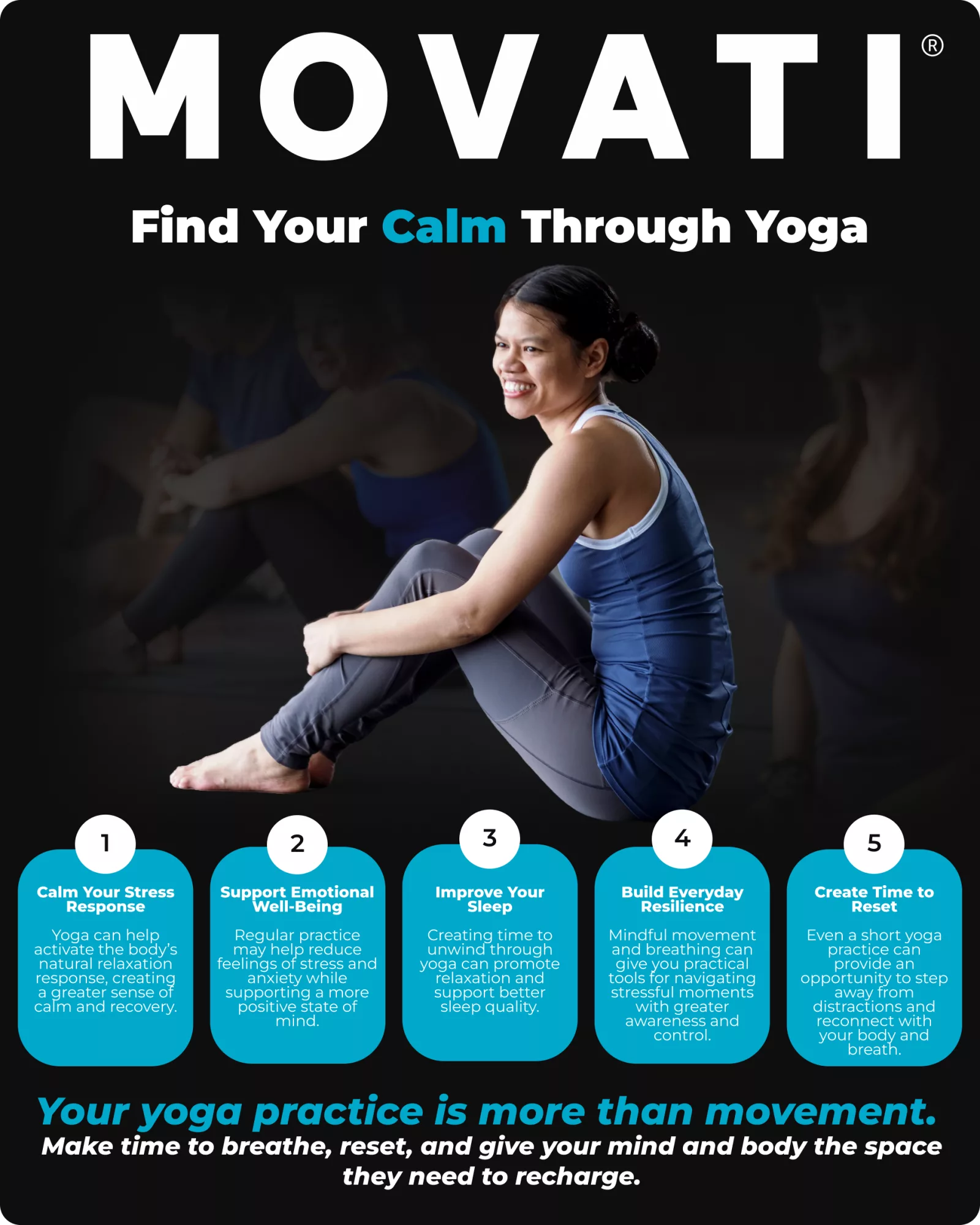
One of the fundamental components of yoga is pranayama, or breath control. Through controlled breathing techniques, individuals can activate the parasympathetic nervous system, which counteracts the fight-or-flight response triggered by stress. This activation promotes relaxation, lowers heart rate, and decreases blood pressure, creating a sense of calm and reducing stress.
Mental Health Benefits of Yoga
Beyond its physical advantages, yoga offers substantial mental health benefits, making it a powerful tool for stress relief. Regular practice can lead to reduced anxiety levels, enhanced mood, and improved concentration. By fostering a connection between the body and mind, yoga encourages a sense of inner peace and balance.
Meditation, a core component of yoga, plays a significant role in its mental health benefits. Through meditation, individuals can cultivate mindfulness, which helps them to become more aware of their thoughts and emotions. This heightened awareness allows for better emotional regulation and reduces the impact of negative stressors. Furthermore, yoga’s emphasis on self-compassion and acceptance can lead to improved self-esteem and a more positive outlook on life.
Building Resilience Through Yoga
Yoga not only helps in managing stress but also builds resilience, enabling individuals to handle future stressors more effectively. By practicing yoga regularly, people develop coping mechanisms that empower them to face challenges with greater ease. This resilience stems from both the physical and mental benefits of yoga, creating a well-rounded approach to stress management.
Incorporating Yoga into Daily Life
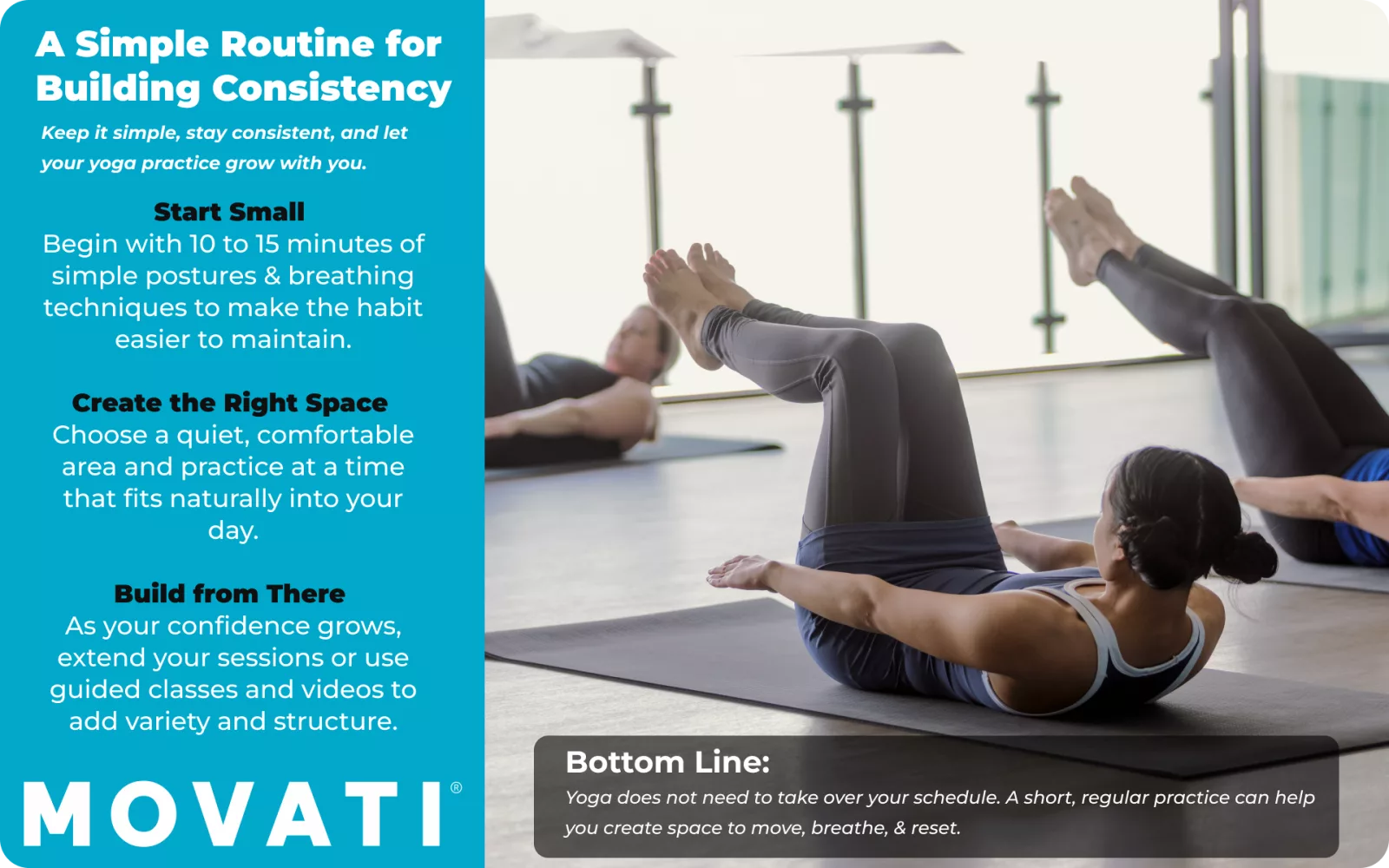
To fully experience the benefits of yoga for stress, consistency is key. Incorporating yoga into daily life doesn’t require significant time commitments or drastic lifestyle changes. Even short, regular sessions can yield substantial benefits.
Begin by setting aside a specific time each day for yoga practice. This could be as little as 10 to 15 minutes, focusing on a few simple postures and breathing techniques. Over time, as comfort with the practice grows, these sessions can be gradually extended.
Choosing a quiet, comfortable space for practice is also essential. A dedicated space free from distractions can enhance the yoga experience, allowing for deeper concentration and relaxation. Online classes and instructional videos can provide guidance and structure, especially for beginners.
Conclusion
Yoga for stress relief is an accessible, effective, and holistic approach to managing the stressors of modern life. By combining physical postures, breath control, and meditation, yoga addresses both the mental and physical aspects of stress. Whether you’re looking to improve flexibility, boost mental health, or simply find a moment of peace in a hectic day, yoga offers a path to enhanced well-being. By incorporating yoga into daily routines, individuals can cultivate a healthier, more balanced life, equipped to handle stress with grace and resilience.
